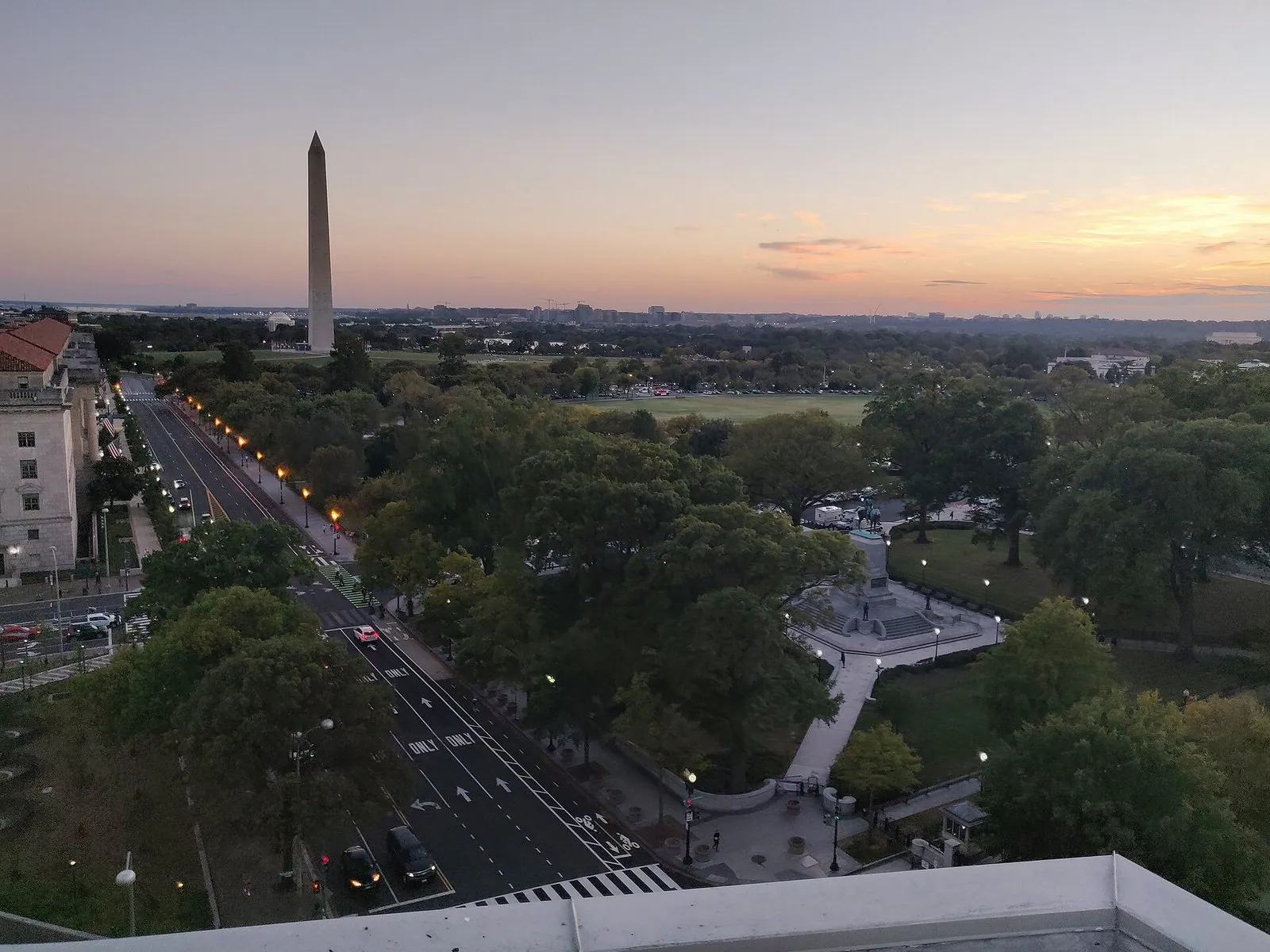
Washington rewards visitors who know the rules. Most of its famous sights are free, but a handful need a pass booked 30 days ahead, one needs a letter to your member of Congress, and several close on days you wouldn’t expect. These Washington DC travel tips are the 60 things we’d tell a friend before a first trip: passes and reservations, security, the Metro, weather, money, safety, shutdowns and timing, all checked against the agencies’ own sites in September 2026.
Quick answer: Book the few timed passes first (the Washington Monument, the African American history museum, Air and Space, the zoo, the Library of Congress and the Holocaust Museum), carry one small bag and a photo ID, and ride the Metro with a tap of your contactless card. Arrive at 10am openings, see the memorials after dark, and check for closures the night before. Budget for the hotel, not the sights: nearly everything else is free.
Last updated September 24, 2026. Every pass rule, hour, fare and tax rate below was checked that day against the attractions’ and agencies’ own websites, including Recreation.gov, the Smithsonian, WMATA and the DC Office of Tax and Revenue. Rules change often, so we’ve dated each one.
- Timed passes needed (September 2026): Washington Monument ($1 fee), African American history museum, Air and Space on the Mall, the National Zoo, the Library of Congress, the Holocaust Museum and the Lincoln Memorial’s new undercroft exhibit ($1 per online reservation).
- Metro: tap a contactless card or phone; rail fares $2.25 to $6.75; stations close at midnight Sunday to Thursday, 2am Friday and Saturday.
- Taxes: sales tax 7% from October 1, 2026; meals 10%; hotel rooms 15.95%.
- Watch dates: federal funding runs through December 11, 2026, and the Holocaust Museum’s Permanent Exhibition closes from January 2027.
On this page: At a glance | Passes and reservations | Security | Getting around | Weather and timing | Money | Safety | Shutdowns and closures | Planning your days | From abroad | FAQ
Washington DC travel tips at a glance: what needs booking
The sights that need a pass or reservation, and how to get one, as of September 2026.
| Sight | Pass needed? | When to book | Cost | Same-day option |
|---|---|---|---|---|
| Washington Monument | Yes, everyone 2+ | Recreation.gov, 30 days ahead at 10am ET | $1 fee per ticket | 3pm day-before release; walk-ups at the Lodge from 8:45am |
| Lincoln Memorial Undercroft (opened June 2026) | Yes, everyone 2+ | Recreation.gov, up to 30 days ahead; new tickets 11am ET daily | $1 fee per reservation (up to 6 tickets) | Free walk-ups at the Korean War Veterans Memorial kiosk from 8:45am |
| African American history museum | Yes, all ages | 30 days ahead, rolling | Free | Online at 8:15am ET |
| Air and Space (Mall) | Yes, all ages | Online in advance | Free | Check the museum’s site |
| National Zoo | Yes, everyone including infants | 30 days ahead, rolling | Free (parking extra) | If passes remain |
| Library of Congress | Yes | 30 days ahead | Free | Online at 9am ET |
| Holocaust Museum (Permanent Exhibition) | Yes, all year | Tickets on sale through December 2026 | $1 fee per ticket online | Online at 7am ET |
| National Archives | Optional | Any time | Free, or $1 timed entry | Walk in (waits can top an hour) |
| Capitol tour | Recommended | tours.visitthecapitol.gov | Free | Walk-ups by 2:30pm |
| White House tour | Yes | Through Congress or an embassy, 21 days to 3 months ahead | Free | None |
| Bureau of Engraving and Printing | Yes, year-round | Online | Free | Online from 8am, weekdays |
Passes, tickets and reservations
DC’s biggest surprise for first-timers: the famous sights are free, but a handful need a free (or $1) timed pass booked in advance. Here’s how each works.
1. The Smithsonian is free, but three sites need passes
The Smithsonian runs 21 museums and the National Zoo, all of them free, and most need no reservation at all. The exceptions are the National Museum of African American History and Culture, the National Air and Space Museum on the Mall and the National Zoo, which all require free timed passes for everyone. The Udvar-Hazy Center out by Dulles doesn’t. Book those three first, then build each day around them.
2. Book the Washington Monument 30 days out, at 10am
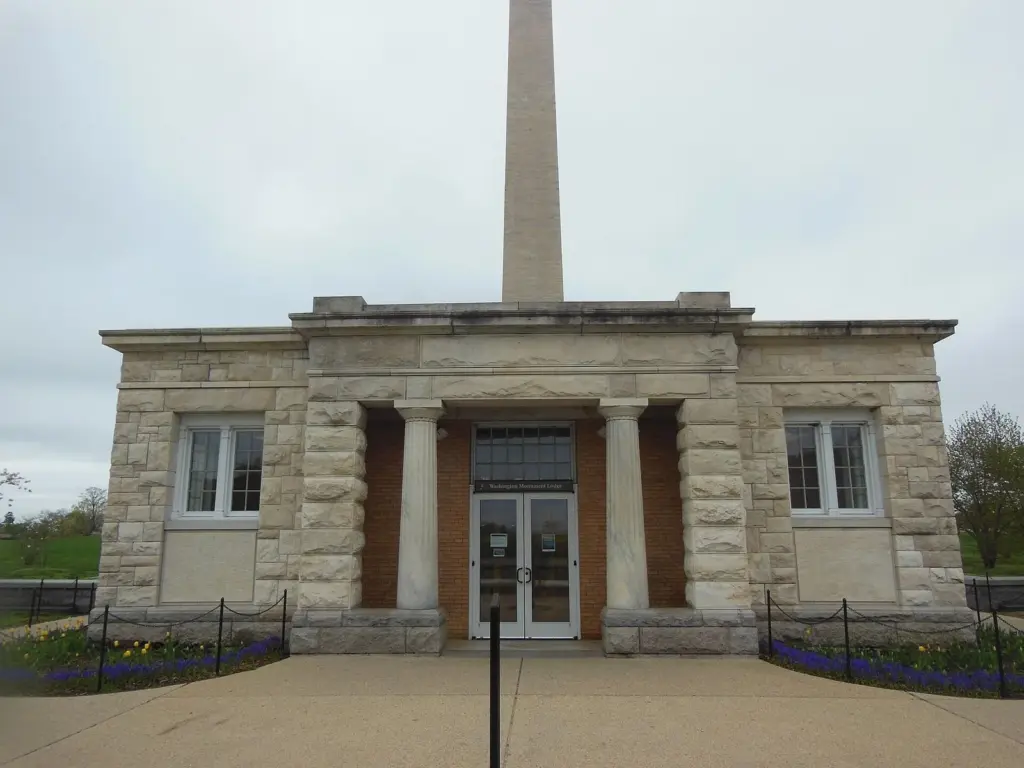
Tickets for the elevator to the top are released on Recreation.gov 30 days ahead at 10am Eastern, with a $1 non-refundable fee each and up to six per account. A second batch goes online at 3pm the day before. Miss both, and free same-day tickets are handed out at the Washington Monument Lodge on 15th Street from 8:45am, up to six per person aged 16 and up. Everyone 2 and older needs a ticket.
3. Grab African American history museum passes at 8:15am
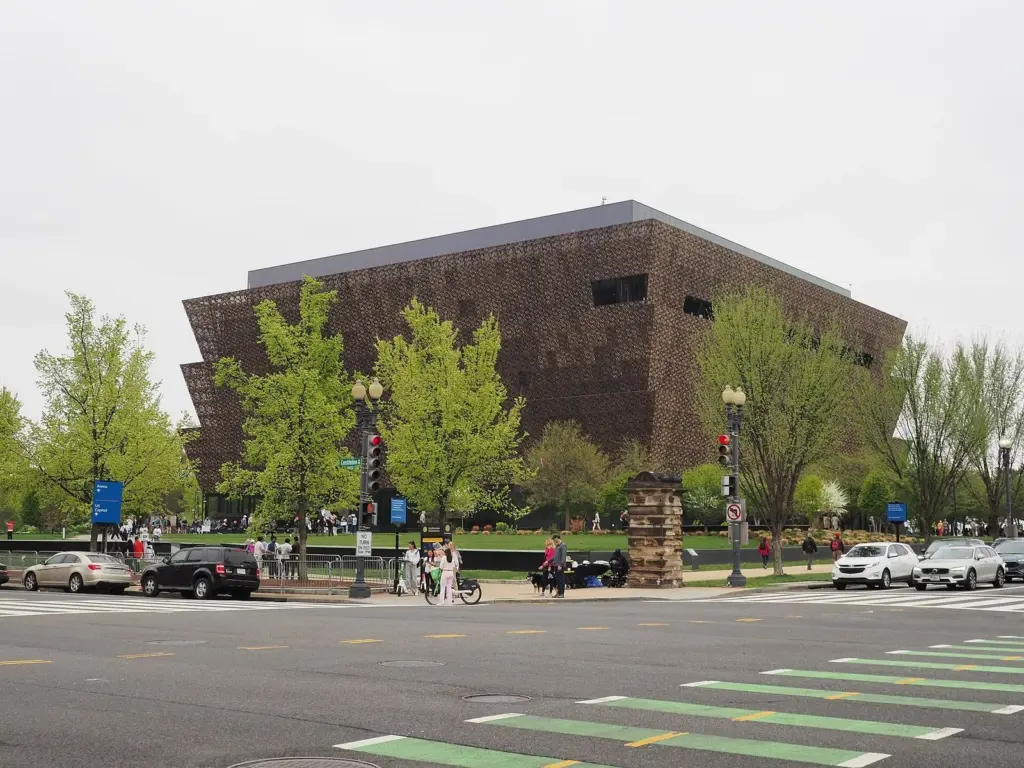
Passes for the National Museum of African American History and Culture are released 30 days ahead on a rolling basis, and a batch of same-day passes goes online at 8:15am Eastern. You can book up to nine at a time and enter any time from your pass time until the 4pm last entry. The museum opens at 10am and is closed on December 25.
4. The Library of Congress needs a ticket and closes two days a week
The Thomas Jefferson Building, with its Great Hall and the overlook into the Main Reading Room, needs a free timed ticket, released 30 days ahead, with same-day tickets online at 9am Eastern. It’s open Tuesday to Saturday from 10am to 5pm, with Thursdays to 8pm, and closed on Sundays and Mondays, which catches out weekend visitors.
5. See the Holocaust Museum before 2027
The U.S. Holocaust Memorial Museum requires free timed tickets for its Permanent Exhibition all year, with a $1 fee per ticket online and a small batch of same-day tickets at 7am Eastern. The current exhibition becomes unavailable to the public once construction of a new one begins in January 2027, with completion due in 2029. If it’s on your list, go in 2026. Daniel’s Story and the special exhibitions don’t need tickets.
6. Reserve the National Archives to skip the line
You don’t need a ticket to see the Declaration of Independence, the Constitution and the Bill of Rights, but walk-in waits can top an hour at peak times. Reserve a timed entry for $1, or book the free general option, through the Archives’ ticketing page. It’s open daily from 10am to 5:30pm. While you’re there, the 1297 Magna Carta is on view, and the “Free and Independent” exhibition runs from April 25, 2026 to July 5, 2027.
7. Book the Capitol online, and don’t try on a Sunday
Capitol tours are free and guided only. They cover the Crypt, the Rotunda and National Statuary Hall, but not the House or Senate galleries. Book at tours.visitthecapitol.gov; walk-ups join the next available tour, and you should arrive by 2:30pm. The Capitol Visitor Center, underground on the Capitol’s east side, is open Monday to Saturday, 8:30am to 4:30pm, with the last tour at 3:20pm. It’s closed on Sundays.
8. Request a White House tour months ahead
Public tours are requested through your member of Congress if you’re a US citizen, or through your embassy if you’re not, between 21 days and three months ahead. Tours resumed on December 2, 2025 on a shorter route after the East Wing was demolished in October 2025 for a ballroom; the East Room and several other rooms are off the tour. No luck? The White House Visitor Center at 1450 Pennsylvania Avenue NW is open daily, 7:30am to 4pm.
9. Watch money being printed on a weekday
The Bureau of Engraving and Printing’s tours are free, but you need a ticket year-round. Tours run Monday to Friday from 9am to 2pm, with same-day tickets online from 8am. The bureau is closed on federal holidays and from December 24, 2026 to January 2, 2027.
10. Everyone needs a zoo pass, and the pandas are back
The National Zoo is free, but everyone, including infants, needs a free entry pass, released 30 days ahead. Giant pandas Bao Li and Qing Bao have been on view on the Asia Trail since January 2025, and the regular pass covers them. From September 15 to March 14, the grounds are open 8am to 4pm. Parking is $30 bought a day or more ahead and $40 on the day.
Security and what to carry
You’ll be screened at museums, federal buildings and the Washington Monument. Pack for it.
11. Expect airport-style screening, with your shoes on
Smithsonian museums screen every visitor and check bags, strollers and containers by hand or X-ray, much like an airport, though shoes and belts stay on. Lines at the most popular museums build from late morning, so arriving at the 10am opening is the easiest way through.
12. Leave the pocketknife at the hotel
Knives of any kind, including pocket and Swiss Army knives, are banned at Smithsonian museums, along with scissors, screwdrivers, pepper spray and Mace. Firearms are prohibited even if you hold a permit. Federal buildings such as the Capitol have their own prohibited-items lists, and they’re strict.
13. Carry one small bag
Large backpacks and suitcases are restricted in many galleries, and lockers aren’t available everywhere. The Washington Monument doesn’t allow bags larger than 18 by 16 by 8 inches, food or unsealed drinks. A small daypack or crossbody bag gets you through security fastest.
14. Strollers can’t go up the Washington Monument
Strollers aren’t allowed at the Washington Monument, so plan to fold one away or leave it with someone in your group. Museums generally accept them, though they go through screening too, and a light, folding stroller makes crowded galleries much easier.
15. Bring photo ID
Some sites check ID. Arlington National Cemetery screens everyone 16 and older, and Pentagon tours require photo ID for adults and a passport for foreign nationals. Bars check ID at the door, too, since the drinking age is 21.
16. Stadium bag rules are even tighter
If you’re catching a game, pack lighter still. Nationals Park bans backpacks of any kind, even clear ones, and allows clear bags only up to 16 by 16 by 8 inches. Audi Field, home of D.C. United and the Washington Spirit, caps bags at 14 by 14 by 6 inches and also turns away backpacks, and the Commanders’ stadium follows the NFL’s clear-bag policy. If you’re heading to a game straight from sightseeing, drop the daypack at the hotel first.
17. Store your luggage before you sightsee
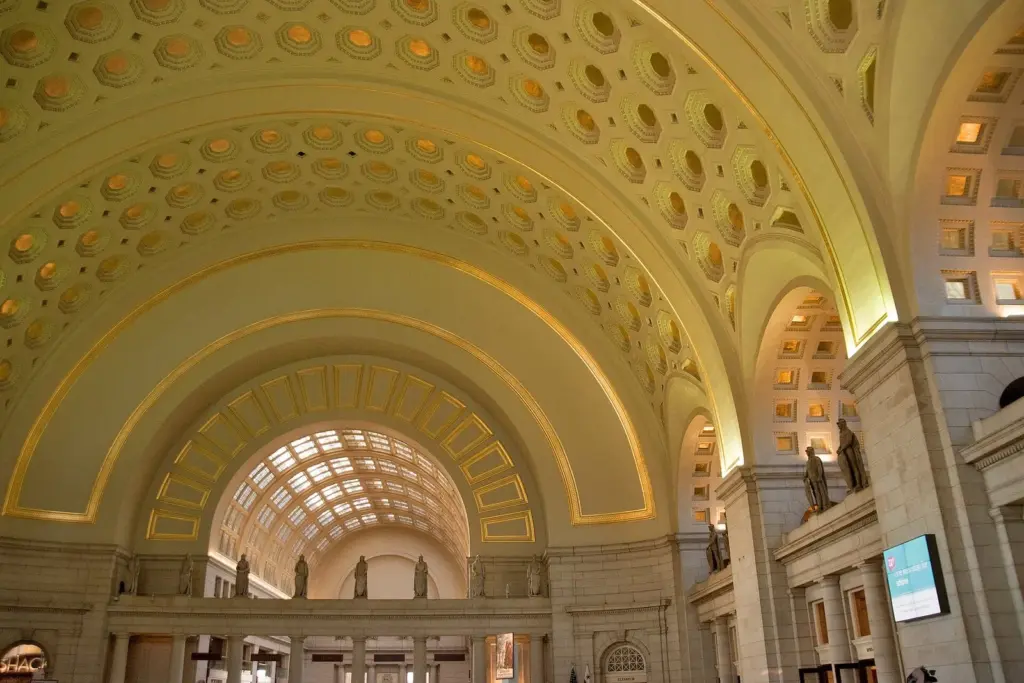
On a check-out day, don’t drag a suitcase around the Mall. Union Station has no public lockers, but Amtrak’s baggage room near Gate A stores bags for up to 24 hours for a per-item fee; check Amtrak’s site for current rates. App-based storage services use shops and hotels near the station and downtown, and most hotels will hold bags for their guests.
Getting around
DC is one of the easiest American cities to see without a car. Our guide to getting around Washington DC has the full picture; these are the essentials.
18. Skip the car
The Metro reaches almost everything a visitor wants, the Mall is walkable, and parking is expensive and scarce. Street meters run about $2.30 an hour in standard zones and $3.75 in premium zones near the White House, and hotel garages cost far more. If you do rent, DC charges a 10.25% tax on car rentals.
19. Tap to ride
You don’t need a SmarTrip card. Metro’s fare gates have accepted contactless credit cards and phones since May 2025, and buses since November 18, 2025. Rail fares run $2.25 to $6.75 on weekdays before 9:30pm and $2.25 to $2.50 at other times, and the bus is $2.25 (September 2026).
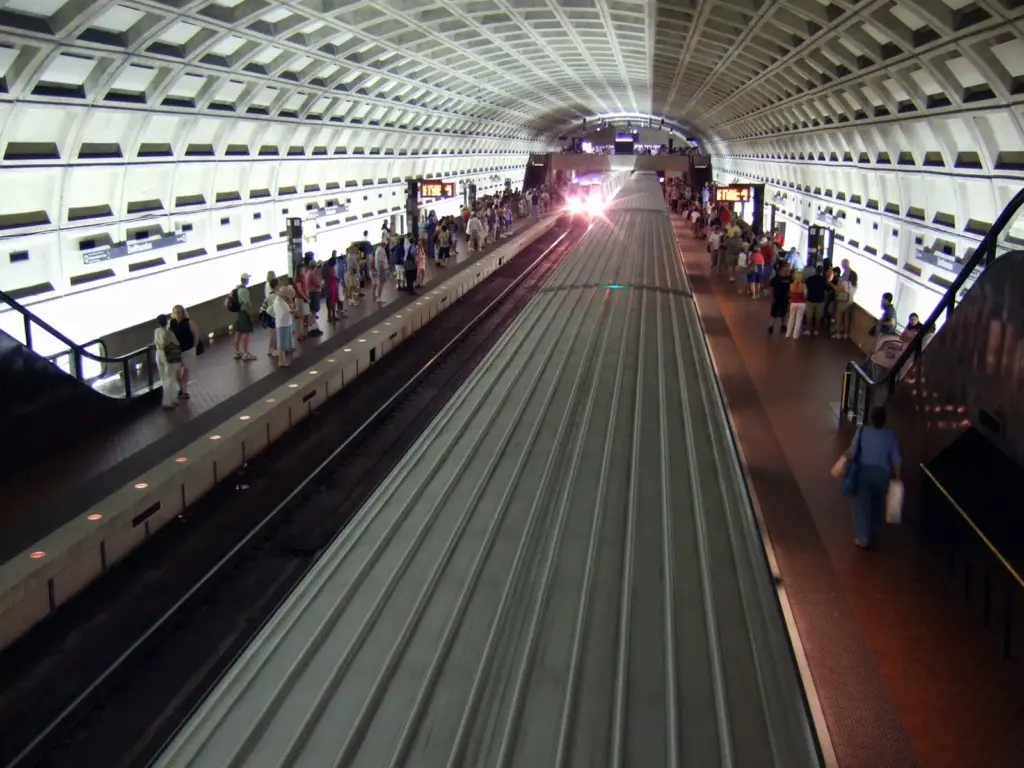
20. Know when the Metro closes
Stations are open Monday to Thursday from 5am to midnight, Friday from 5am to 2am, Saturday from 6am to 2am and Sunday from 6am to midnight. The last train from any given station can leave before closing time, so check it if you’re out late.
21. The Yellow line stops short
Yellow line trains end at Mt Vernon Sq, so U Street, Shaw-Howard U, Columbia Heights, Waterfront and Navy Yard-Ballpark are on the Green line only. Coming from Reagan National Airport, change at L’Enfant Plaza or Gallery Place for those stations.
22. The Circulator and the streetcar are gone
Older guides recommend the DC Circulator bus around the Mall and the free streetcar on H Street. The Circulator ended on December 31, 2024, with no replacement loop on the Mall, and the streetcar stopped on March 31, 2026. Metrobus routes were renamed in June 2025, too, so old route numbers won’t match.
23. Young kids ride free
Up to two children aged 4 and under ride free on Metrorail and Metrobus with each paying adult. Children 5 and older pay the regular fare.
24. Stand right, walk left
On Metro escalators, stand on the right and walk on the left; it’s the one piece of etiquette locals enforce with a sigh. Eating and drinking aren’t allowed on trains. Stations are deep and some escalators are very long, so hold the rail and keep children close.
25. You’ll walk more than you think
The Mall is about two miles from the Capitol to the Lincoln Memorial, and a museum day easily tops five miles on foot, so wear broken-in shoes. Capital Bikeshare’s red bikes cost $1 to unlock plus 15 cents a minute, or $10 for a day pass (September 2026), with docks near the Mall.
Weather, seasons and timing
When you go shapes everything from crowds to what’s open. Our guide to the best time to visit Washington DC goes month by month; here’s what matters most.
26. Summer is hot, humid and stormy
July averages a high of almost 90°F and is the wettest month of the year, mostly from afternoon thunderstorms that arrive fast. Carry water, schedule museums for mid-afternoon, and save the memorials for morning or evening.
27. Spring means blossoms, and crowds
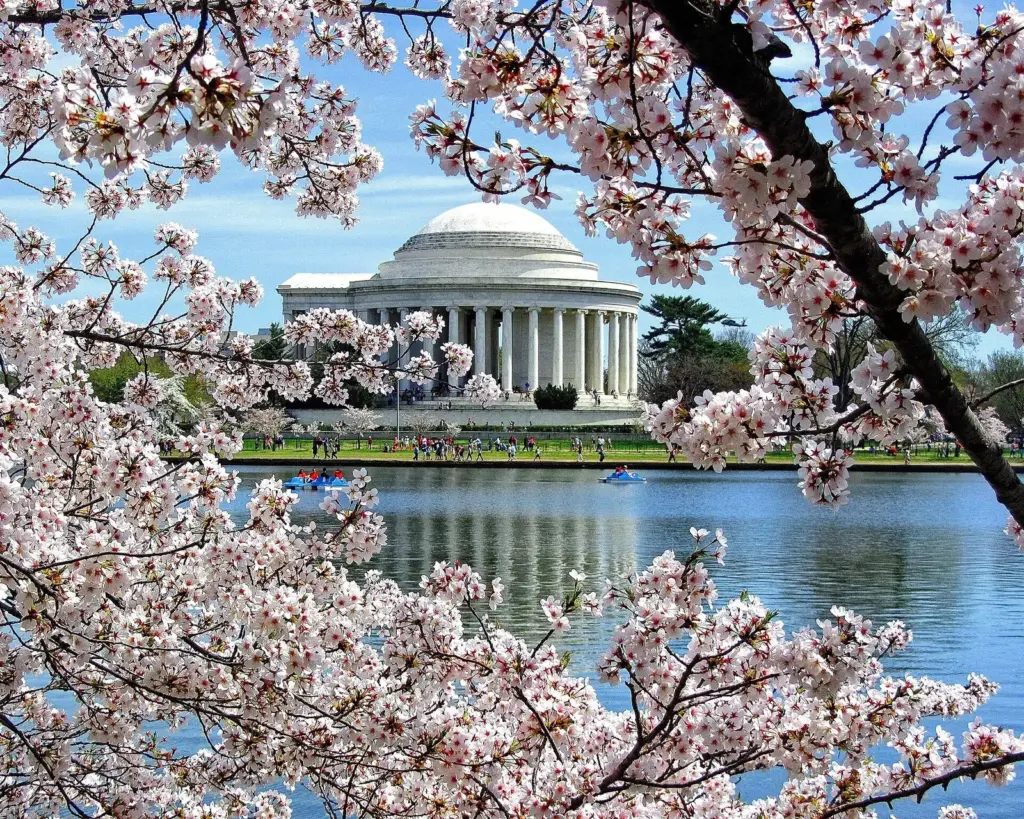
The 2027 National Cherry Blossom Festival runs from March 20 to April 11, 2027. The trees’ peak bloom date isn’t known until the National Park Service forecasts it in late winter, so book a flexible hotel and watch the forecast before locking in specific days.
28. Spring weekdays belong to school groups
From March through May, school trips fill the big museums on weekdays. The first hour after opening and the last hour before closing are the calmest times to see Natural History, American History and Air and Space.
29. Be there at opening
Most Smithsonian museums open daily from 10am to 5:30pm and close only on December 25. The National Portrait Gallery and the American Art Museum keep later hours, 11:30am to 7pm, which makes them good end-of-day stops. Arrive at 10am for the popular museums and you’ll have an hour before the crowds build.
30. See the memorials at night
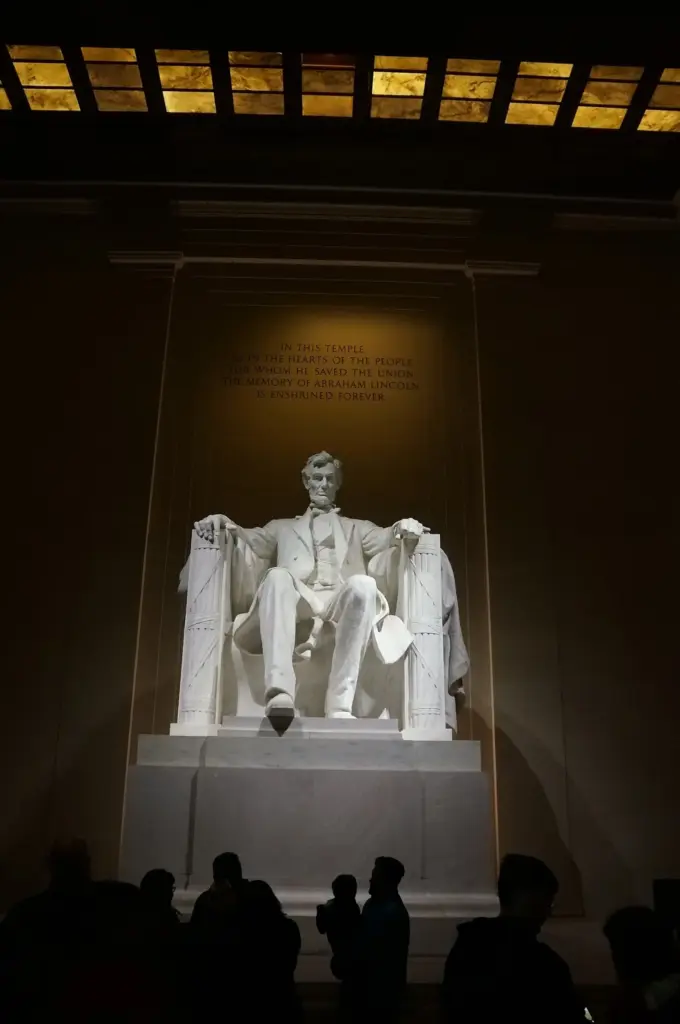
The memorials on the National Mall are open to the public 24 hours a day, and they’re lit after dark. The Lincoln Memorial at night is quieter and more moving than at noon, and a summer evening walk along the Reflecting Pool is far cooler than the same walk at 2pm.
31. Check for closures the night before
Even monuments close. The Washington Monument shuts for maintenance one day a month (November 4 and December 8 for the rest of 2026), and on July 4 and December 25. Check the National Park Service’s alerts the night before you go.
32. Winter is the quiet, cheaper season
January averages a high of about 45°F and a low near 30°F, and hotel rates drop with the crowds. Museums are close to empty on weekday mornings. Pack a warm coat and do outdoor sights in the middle of the day.
33. Avoid the biggest crowd days if you can
July 4, the peak blossom weekends and big national events pack the Mall and close roads, and the Capitol Visitor Center closes on Inauguration Day. If your dates are flexible, pick weekdays outside those peaks.
Money: what’s free, taxes and tipping
DC can be surprisingly cheap for sightseeing and surprisingly expensive for everything else.
| Charge | Rate (September 2026) |
|---|---|
| General sales tax | 6%, rising to 7% on October 1, 2026 |
| Restaurant meals and drinks | 10% |
| Hotel rooms | 15.95% |
| Car rentals in DC | 10.25% |
| Metro rail fare | $2.25 to $6.75 weekdays before 9:30pm; $2.25 to $2.50 otherwise |
| Metro passes | 1 day $13.50; 3 days $33.75; 7 days $60.75 |
| Tipping at restaurants | 18% to 20% is standard |
34. The best things in DC are free
The Smithsonian museums, the National Gallery of Art, the memorials, Capitol tours, the Library of Congress and the National Archives cost nothing, apart from $1 fees on some advance timed tickets. You could fill a week without buying a single admission.
35. Prices don’t include tax
DC’s general sales tax rises from 6% to 7% on October 1, 2026. Restaurant meals and drinks are taxed at 10%, hotel rooms at 15.95% and car rentals at 10.25%. Menu and shelf prices are shown before tax, so the bill is always higher than the number you saw.
36. Tip like an American
Tip 18% to 20% at sit-down restaurants, $1 to $2 a drink at bars, and something for hotel housekeeping and bell staff. DC’s tipped minimum wage was $10 an hour until July 1, 2026 and is now 56% of the full minimum wage, so tips remain a big part of servers’ pay.
37. Read the bill for service charges
Some DC restaurants add a service charge to the check. If you see one, ask whether it goes to the staff before you decide what, if anything, to tip on top.
38. Never pay a middleman for a free ticket
Third-party sites sell “tickets” and “tours” for things that are free or nearly free: the Capitol, the White House, the Washington Monument (just the $1 Recreation.gov fee) and the museum passes. Book directly on the official site every time.
39. Metro passes rarely pay off
Metro sells 1, 3 and 7-day passes for $13.50, $33.75 and $60.75 (September 2026). Most visitors walking the Mall ride only a few times a day and come out ahead paying per trip with a contactless card.
40. Eat smart near the Mall
Food on the Mall itself is limited and pricey. Museum cafes are the practical choice, and Mitsitam Native Foods Cafe at the National Museum of the American Indian, open 10am to 5pm, is the standout. For better value, walk a few blocks north into Penn Quarter or east to Capitol Hill.
41. Budget for the hotel, not the sights
Because so much is free, your hotel is the biggest cost of a DC trip, and the 15.95% hotel tax adds to it. Staying near a Metro station outside the priciest downtown blocks, or across the river in Arlington, can cut the bill without adding much travel time.
Staying safe
42. Use big-city sense
The Mall, the museums and the main neighborhoods are busy and heavily visited, and most trips pass without trouble. Crime is concentrated in particular areas, so stick to busy, lit streets at night, watch your phone on the Metro and in crowds, and take a rideshare rather than walking long, empty stretches after midnight.
43. You’ll see the National Guard
National Guard troops have been deployed in DC since August 2025. In July 2026 the deployment was extended through Inauguration Day in January 2029, with a summer 2026 surge to about 5,000 troops and patrols in tourist areas. It doesn’t change opening hours or how you visit the sights.
44. Protests are part of DC life
Demonstrations are common on the Mall, at the Capitol and near the White House, and large ones close streets and sometimes Metro exits. Check the news on the morning you plan to visit those areas, and give big crowds a wide berth if you’d rather not be part of one.
45. Take the heat seriously
In summer, heat is a bigger risk to most visitors than crime. Carry a refillable bottle, refill it inside the museums, rest in the shade and don’t attempt the full length of the Mall at 2pm in July.
46. Keep valuables out of sight
Don’t leave anything visible in a parked car, and keep phones and wallets in front pockets on crowded trains and at busy memorials, where crowds make pickpocketing easier. Call 911 in an emergency and 311 for non-emergency city services.
47. Say no to “free” gifts
Ignore anyone pushing a free bracelet, CD or petition on the Mall or around Union Station; it ends with a request for money. Official staff at the museums and monuments wear uniforms or badges and never ask for cash.
Shutdowns, closures and what’s changed
48. A shutdown closes the Smithsonian and the zoo
When federal funding lapses, the Smithsonian’s museums and the National Zoo close once their reserve funds run out. In the 43-day shutdown of 2025, they closed from October 12 and reopened between November 14 and 17.
49. Watch the December 11, 2026 deadline
Federal funding currently runs through December 11, 2026. If you’re traveling after that, check the news in the days before your trip, because a shutdown would affect the Smithsonian, the zoo and federal tours.
50. Private museums stay open
Privately run museums, such as the International Spy Museum and the National Building Museum, aren’t affected by a federal shutdown, and neither are theaters, restaurants and the neighborhoods. Keep a short list of backups if your trip falls near a funding deadline.
51. Some places are closed for the long haul
As of September 2026, the Smithsonian Castle is closed again after a brief summer reopening, the Old Post Office Tower has been closed since October 1, 2025 with no reopening date, and the Kennedy Center’s main building closed after its board’s September 15, 2026 vote. The Holocaust Museum’s current Permanent Exhibition becomes unavailable from January 2027.
52. Some things are reopening
The Hirshhorn’s Sculpture Garden reopens on October 31, 2026, the last two renovated galleries at the National Air and Space Museum open on October 30 and November 11, 2026, and the Anacostia Community Museum reopened on May 30, 2026. A few favorites are temporarily off view, too: Air and Space’s Star Trek Enterprise model, for example, is due back in late fall. If one object is the reason for your visit, check the museum’s site the week before, because loans, conservation and gallery work move things around more often than visitors expect.
Planning your days
53. Give it three or four days
Three full days covers the Mall’s highlights: the monuments, three or four museums and the Capitol. Four or five lets you add Arlington, Georgetown and a neighborhood or two. Our Washington DC itinerary lays out day-by-day plans for different trip lengths.
54. Group the sights by area
Do the east end of the Mall (the Capitol, the Library of Congress, the Supreme Court and the National Gallery) on one day, the Smithsonian museums in the middle on another, and the memorials at the west end together, ideally in the evening.
55. Two museums a day is plenty
Each of the big Smithsonian museums could fill a day on its own. Pick the galleries you care about most in advance and give each museum two to three hours; museum fatigue is real, and the third museum of the day rarely gets the attention it deserves.
56. Mind the odd closing days
DC’s schedules trip people up. The Library of Congress is closed on Sundays and Mondays, the Capitol on Sundays, the National Building Museum on Tuesdays and Wednesdays, and the Bureau of Engraving and Printing runs tours on weekdays only.
57. Use the visitor centers
The Capitol Visitor Center, underground on the Capitol’s east side, has exhibits, restrooms and the tour desk. The White House Visitor Center on Pennsylvania Avenue, open 7:30am to 4pm daily, covers the house for anyone who couldn’t get a tour. For ideas beyond the Mall, browse our list of things to do in Washington DC.
Visiting from abroad
58. Sort out your entry paperwork early
Travelers from Visa Waiver Program countries need an approved ESTA before flying. Apply only on the official site, esta.cbp.dhs.gov, because copycat sites charge extra for the same form. Visitors from other countries need a visa, and interview waits can run long, so check the State Department’s wait times early.
59. Pack for American plugs and prices
US outlets are 120-volt Type A and B, so bring an adapter, and a converter for anything that can’t handle 120 volts. Prices are shown before tax, tipping is expected at restaurants and bars, and cards are accepted almost everywhere. Carry your passport for ID at bars and for Pentagon tours.
Accessibility
60. DC is accessible, with a few catches
Every Metro station has elevators, the Smithsonian museums are wheelchair accessible, and the Washington Monument’s elevator reaches the 500-foot level in about 70 seconds. The catches are distance and hills: the Mall is long, the memorials are spread out and the zoo is built on a slope. Contact the Capitol and your member of Congress ahead for accessible tour arrangements.
What to pack for a DC trip
DC is a walking city with airport-style security at every museum door, and that should shape your bag more than the weather does.
- Broken-in walking shoes. Five miles a day is normal. New shoes are the most common reason a DC trip hurts.
- One small bag, ideally a crossbody or small daypack under 18 by 16 by 8 inches, so it passes at the Washington Monument and in the galleries.
- A refillable water bottle. Essential from May to September, when July highs average almost 90°F; refill it inside the museums.
- Layers. Museums are air-conditioned hard in summer, and spring and fall swing from cool mornings to warm afternoons.
- A compact umbrella for summer thunderstorms and spring showers.
- Photo ID or a passport, for Arlington National Cemetery, Pentagon tours and bars.
- A portable phone charger. Your timed passes, Metro fares and maps all live on your phone.
- What to leave behind: pocketknives, pepper spray, large backpacks and anything you’d hate to have confiscated at a security checkpoint.
Traveling with kids, or on your own
With kids, DC is one of the best-value family trips in the country, because the museums are free. Book the zoo pass for every family member, including babies. Remember that up to two children aged 4 and under ride the Metro free with each paying adult, and that strollers can’t go up the Washington Monument. Plan one big museum in the morning and something outdoors in the afternoon; Natural History and Air and Space are the usual favorites, and the memorials work well as an evening walk once it cools down.
On your own, DC is easy: the Metro is simple, the museums are made for wandering at your own pace, and free timed passes are often easier to get for one than for a family. Museum cafes and bar seats at restaurants suit solo diners. After dark, stick to the busy strips and take a rideshare for longer trips home, and share your plans with someone at home, as you would in any big city.
How the tips fit together: a first day in DC
Here’s what a well-planned first day looks like when you put the rules above to work:
- 30 days before: book Washington Monument tickets on Recreation.gov at 10am Eastern and African American history museum passes for your date.
- 8:15am on the day: if you missed the advance passes, try for the museum’s same-day release online.
- 10am: be at the door of your first museum as it opens, with one small bag and nothing sharp in it.
- Noon: lunch at a museum cafe such as Mitsitam, rather than wandering the Mall hungry.
- 1pm to 4pm: your second museum, or your timed slot at the Washington Monument.
- 5:30pm: museums close. Take the Metro to Penn Quarter or Capitol Hill for an early dinner.
- 8pm: walk the memorials after dark, from the Lincoln Memorial toward the Washington Monument.
- Before bed: check tomorrow’s closures and set an alarm for any same-day pass releases.
What older guides get wrong
DC changes fast, and a guide from even two years ago can send you to a closed building or an extinct bus. As of September 2026:
| Older advice | The reality in 2026 |
|---|---|
| Ride the DC Circulator around the Mall | It ended on December 31, 2024, with no replacement loop |
| Take the free H Street streetcar | It stopped running on March 31, 2026 |
| Buy a SmarTrip card first | Tap a contactless card or phone at the gates |
| Weekend Metro fares are a flat $2 | Off-peak fares are $2.25 to $2.50 |
| Take the Yellow line to U Street or Navy Yard | The Yellow line ends at Mt Vernon Sq; change to the Green |
| The pandas are gone from the zoo | Bao Li and Qing Bao have been on view since January 2025 |
| Tour the East Room of the White House | The tour route changed after the East Wing was demolished in October 2025 |
| Climb the Old Post Office Tower for the view | It has been closed since October 1, 2025 |
| Catch a free Millennium Stage show at the Kennedy Center | The main building closed after the board’s September 15, 2026 vote |
| The Holocaust Museum needs passes only in spring | Timed tickets are required all year, and the Permanent Exhibition closes from January 2027 |
First-timer mistakes to skip
- Trying to see everything. Two museums a day, plus the memorials at night, is a full day. More than that and you’ll remember less.
- Arriving at noon. The lines, the heat and the crowds all peak in the middle of the day. Start at 10am.
- Forgetting to book passes. The Monument and the African American history museum go fast, especially in spring and summer.
- Paying a reseller for a free ticket. If it’s free on the official site, it’s free.
- Planning the Library of Congress for a Monday or the Capitol for a Sunday. Both are closed.
- Driving downtown. You’ll spend more time and money parking than you save.
- Ignoring the funding calendar. If your trip falls just after December 11, 2026, keep an eye on the news.
Washington DC travel tips FAQ
What should I know before visiting Washington DC?
Most sights are free, but several need timed passes booked up to 30 days ahead, including the Washington Monument, the African American history museum, Air and Space and the zoo. Expect security screening, carry one small bag, use the Metro with a contactless card, and check closures and shutdown news before you go.
Do you need tickets for the museums in DC?
Most Smithsonian museums are free with no ticket. As of September 2026, the African American history museum, Air and Space on the Mall and the National Zoo need free timed passes, as do the Library of Congress and the Holocaust Museum’s Permanent Exhibition ($1 fee online). The National Archives offers optional reservations.
What’s the best way to get around Washington DC?
The Metro and your feet. Metro reaches most sights, you can tap a contactless card or phone at the gates, and rail fares run $2.25 to $6.75 (September 2026). Stations close at midnight Sunday to Thursday and 2am on weekends. Skip the car: parking is scarce and expensive.
How much does a trip to DC cost?
Sightseeing costs little, since most museums and memorials are free. The big costs are your hotel, taxed at 15.95%, and food, with restaurant meals taxed at 10% and tips of 18% to 20% expected. Getting around by Metro costs a few dollars a ride.
Does a government shutdown close DC’s museums?
A long one does. In the 43-day shutdown of 2025, the Smithsonian museums and the National Zoo closed from October 12 and reopened November 14 to 17. Federal funding currently runs through December 11, 2026. Privately run museums, theaters and restaurants stay open during a shutdown.
What can’t I bring into DC museums and monuments?
Knives of any kind, scissors, pepper spray and firearms are banned at Smithsonian museums, and large backpacks and suitcases are restricted. The Washington Monument doesn’t allow strollers, food, unsealed drinks or bags over 18 by 16 by 8 inches. Carry one small bag to get through security quickly.
Is a Metro day pass worth it in DC?
Usually not. A 1-day pass costs $13.50 (September 2026), while most sightseers ride only a few times a day at $2.25 to $6.75 a trip, since the Mall is best seen on foot. A pass makes sense only for a day with many long rides.
What’s the best time of day to visit the Smithsonian?
Right at the 10am opening, or in the last hour before 5:30pm closing. Late morning to mid-afternoon is busiest, especially on spring weekdays with school groups. The National Portrait Gallery and American Art Museum stay open until 7pm, which makes them a good last stop.
Related Washington DC Guides
- Things to Do in Washington DC: the sights these tips help you plan for.
- Getting Around Washington DC: the Metro, buses, bikes and airports in detail.
- Best Time to Visit Washington DC: weather, crowds and events month by month.
- Washington DC Itinerary: day-by-day plans for two to five days.
Sources and How We Checked
We checked every pass rule, hour, fare, tax rate and closure on this page on September 24, 2026, against the official sources below, and compiled the page from them. We didn’t make visits for this page, and we don’t claim to have.
- Recreation.gov: Washington Monument tickets
- Smithsonian: entry and guidelines
- U.S. Holocaust Memorial Museum: admission tickets
- Capitol Visitor Center: plan a visit
- National Park Service: White House tours
- WMATA: fares
- DC Office of Tax and Revenue
We also used the National Museum of African American History and Culture, the National Air and Space Museum, the National Zoo, the Library of Congress, the National Archives, the Bureau of Engraving and Printing, DDOT, the National Weather Service’s 1991-2020 normals for Reagan National, and news reporting (NPR, WTOP) on federal funding and the National Guard deployment.
Washington DC Tourism Guide is an independent publication. We are not affiliated with Destination DC, the National Park Service, the Smithsonian Institution or any attraction listed here, and no one paid to be included.
Photo Credits
- The National Mall at dusk: photo by Kurt Kaiser, via Wikimedia Commons (CC0)
- Washington Monument Lodge: photo by Frypie, via Wikimedia Commons (CC BY-SA 4.0)
- National Museum of African American History and Culture: photo by Frypie, via Wikimedia Commons (CC BY-SA 4.0)
- Union Station Main Hall: photo by Ron Cogswell from Arlington, Virginia, USA, via Wikimedia Commons (CC BY 2.0)
- Smithsonian Metro station: photo by Joe Loong, via Wikimedia Commons (CC BY-SA 2.0)
- Jefferson Memorial and cherry blossoms: photo by Jay Wald, via Wikimedia Commons (CC BY-SA 4.0)
- Lincoln Memorial at night: photo by Geraldshields11, via Wikimedia Commons (CC BY-SA 4.0)