Most of what you came to see in Washington is free, outdoors and within walking distance, which makes Washington DC tours an odd purchase. You don’t need a guide to walk into the Smithsonian or to stand in front of the Lincoln Memorial. What a good tour buys you is something else: the monuments at night without working out the logistics, a bike ride that covers the whole Mall in a morning, the view from the river, or a guide who can tell you why a building looks the way it does. This guide compares every kind of paid tour in DC, says which are worth the money, and names the ones that usually aren’t.
Quick answer: The paid tours most worth it in DC are a night monuments tour (about $64 to $70 by trolley in 2026 listings), a guided bike tour of the Mall (from about $55) and a Potomac sightseeing cruise (about $30). Hop-on hop-off buses start around $54 a day and suit people who can’t walk far. Book the free official tours, such as the Capitol and the White House, yourself, because nobody can sell you a White House tour.
Last updated September 24, 2026. Prices and schedules were checked that day against the operators’ own sites and current listings, and the free tours against the agencies’ official pages. Tour prices change by date and by where you book, so treat them as a guide and confirm before you pay.
- Best paid tour: a night tour of the monuments, by trolley, bus or bike.
- Hop-on hop-off: Big Bus from about $54 for one day, with about 10 stops including Arlington National Cemetery.
- On the water: the Potomac Water Taxi costs about $22 one way; sightseeing cruises start around $30; dinner cruises run roughly $65 to $135.
- Free: the Capitol, the White House (through Congress or an embassy), the Library of Congress and the Bureau of Engraving and Printing, plus Park Service rangers at the memorials until 10pm.
- Skip: anyone selling a “White House tour” that isn’t a walk past the fence.
On this page: Compare tour types | Do you need one? | The best tours, ranked | Free night walk | Free official tours | Hop-on vs. Metro | How to choose | Best tour for you | Kids and seniors | Sample plans | Weather | When to book | What to skip | Booking and tipping | FAQ
Washington DC tours compared
Prices are typical adult rates from operators and current listings in September 2026. They move with the date, the booking channel and the season.
| Tour type | Typical price | Length | Our verdict |
|---|---|---|---|
| Night monuments tour (trolley) | About $64 to $70 | About 2.5 hours | The best paid tour in DC |
| Guided bike tour | From about $55 | 2 to 3 hours | Excellent if you’re comfortable on a bike |
| Potomac sightseeing cruise | About $30 | About an hour each way | Worth it on a clear day |
| Walking tour | Pay what you wish to fixed prices | 1.5 to 2.5 hours | Best value for history |
| Food tour | About $80 to $90 | 2.5 to 3.5 hours | Good for a neighborhood you’d skip otherwise |
| Hop-on hop-off bus or trolley | From about $54 a day | 1 to 3 days | Only if walking is hard or you want Arlington and Georgetown |
| Arlington cemetery tram | From $21.50 | As long as you like | Worth it for most visitors |
| Segway tour | About $70 | 2 to 2.5 hours | Fun, but you see less than on a bike |
| Dinner cruise | About $65 to $135 | About 2.5 hours | Pay for the view, not the food |
| Ghost tour | Varies by operator | About 1.5 to 2 hours | Entertaining history, lightly spooky |
| Free official tours | Free | 45 minutes to 2 hours | Book these before you pay for anything |
Do you need a tour in Washington DC?
For most first-time visitors, the honest answer is: not for the basics. The National Mall is compact, flat and signed, the Smithsonian museums are free walk-ins or free timed passes, and the Park Service keeps rangers at the memorials from 9:30am to 10pm every day to answer questions. The Metro is cheap and covers almost everything a visitor needs. Plenty of people see DC well with nothing more than good shoes and our list of things to do in Washington DC.
A tour earns its price in five situations. First, at night: the monuments are at their best after dark, but they’re spread out, and a trolley or bike tour strings them together efficiently. Second, if walking is hard: the Mall is about 2 miles end to end, and the memorials west of the Washington Monument are farther apart than they look. Third, if you’re short on time and want the whole city in one sweep. Fourth, if you want depth: a good guide on a themed walk brings out stories you’d never find on a plaque. And fifth, for the water: the only way to see the city from the Potomac is on a boat.
What a tour won’t do is get you inside places you couldn’t enter yourself. Almost every sightseeing tour shows you the outside of the White House and the Capitol. Getting inside either takes a free reservation that only you can make.
The best Washington DC tours, ranked
Ranked by value for a first-time visitor, from the tours we’d book first to the ones we’d think twice about.
1. A night monuments tour
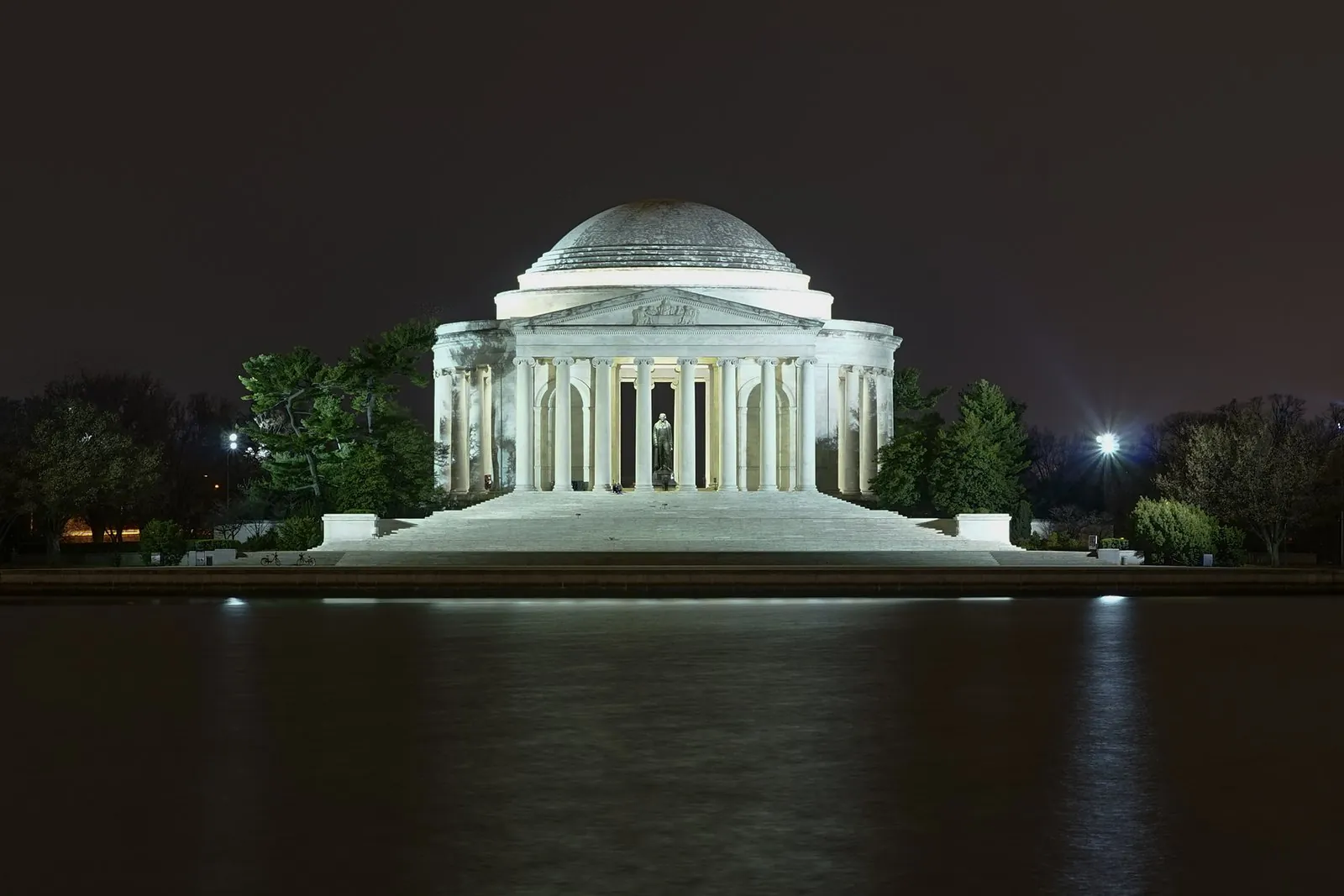
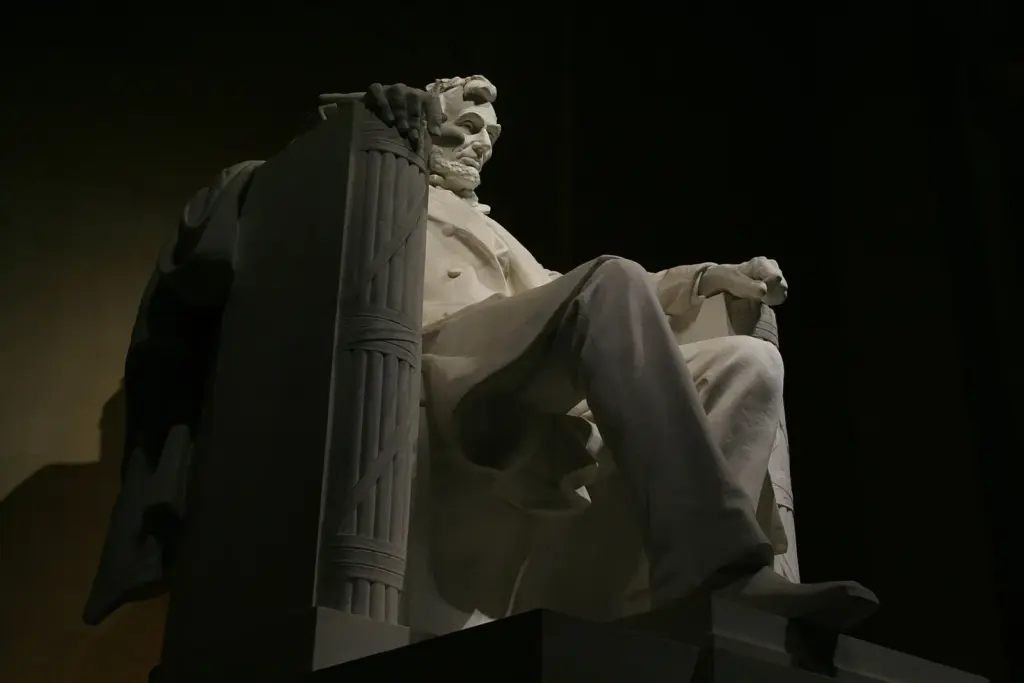
Worth it: the best paid tour in DC. The memorials are lit at night, the crowds thin, the heat breaks in summer, and the Lincoln Memorial after dark is one of the great sights in the country. The problem is getting between them, since the Iwo Jima Memorial is across the river and the Tidal Basin is a long walk from the Lincoln. Old Town Trolley’s Monuments by Moonlight solves that: about 2.5 hours with stops at the Marine Corps War Memorial and the FDR, Lincoln, Vietnam Veterans, Korean War Veterans and Martin Luther King Jr. memorials. It was listed at about $64 to $70 in 2026, depending on where you book, or about $89 packaged with a day on the trolley. Night bike tours cover the Mall memorials at a quicker pace.
Plan it: about 2.5 hours, departing in the evening; book ahead in summer and blossom season. The do-it-yourself version is free: the memorials are open 24 hours, and a walk from the Lincoln to the Korean War, Vietnam and World War II memorials takes about an hour. Best for: first-timers, couples, summer evenings. Our Washington DC monuments guide covers every memorial on the route.
2. A guided bike tour of the National Mall
Worth it if you ride. A bike is the ideal way to see the Mall: fast enough to cover the whole stretch from the Capitol to the Lincoln Memorial and around the Tidal Basin in a morning, slow enough to stop anywhere. Unlimited Biking runs guided day and night tours of the Mall and the monuments, with a two-hour tour at about $55 in 2026. A good bike guide also knows the paths, which saves you from the confusion of riding among crowds and traffic.
Plan it: about 2 to 3 hours, from about $55 per person, bike included; ask about helmets and e-bike upgrades. The do-it-yourself option is Capital Bikeshare: a $1 unlock plus 15 cents a minute on a classic bike, or a $10 day pass (as of September 2026, per Capital Bikeshare). Best for: active travelers, families with teens, cooler months.
3. A Potomac River sightseeing cruise
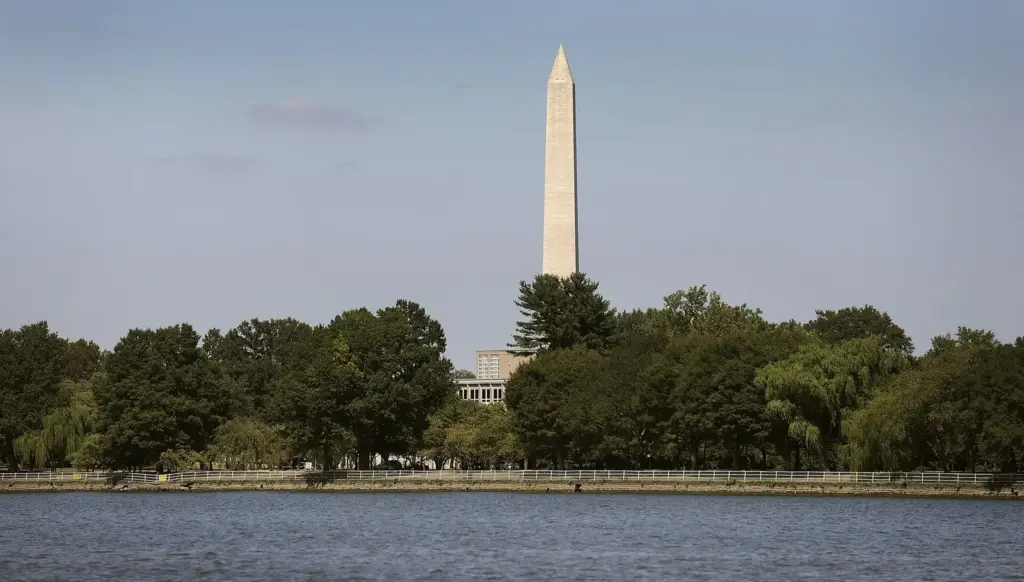
Worth it on a clear day. From the river you see the city as it was designed to be approached: the Kennedy Center, the Lincoln Memorial, the Washington Monument and the Jefferson in one sweep, with Arlington on the other bank. The Potomac Riverboat Company’s monuments cruise runs from Old Town Alexandria up the river to Georgetown’s Washington Harbour, one way or round trip with stopovers, for about $30. City Cruises runs sightseeing trips from the Wharf too.
Plan it: about $30 for the monuments cruise; check schedules, which are seasonal. The cheapest way onto the water is the Potomac Water Taxi: about $22 one way, the Wharf to Georgetown in about 30 minutes, from March to December. It isn’t a narrated tour, but the view is the same. Best for: couples, families, anyone staying in Old Town.
4. A specialist walking tour
Worth it: the best value for history. The walking tours that shine in DC are the themed ones: scandal and espionage, the Civil War city, Capitol Hill’s neighborhoods, Georgetown’s history, the Black history of Shaw and U Street. Free Tours by Foot, whose DC walks are run by its partner DC by Foot, offers small-group tours of the Mall, the Tidal Basin and several neighborhoods, including a Secrets and Scandals walk. Some of its tours are pay what you wish and others now have fixed prices, so check the one you choose.
Plan it: 1.5 to 2.5 hours; book online. Wear real walking shoes; a Mall walk covers 2 to 3 miles. The free alternative is the Park Service’s ranger talks at the memorials. Best for: history buffs, repeat visitors, budget travelers.
5. A food tour
Worth it for the right neighborhood. Food tours in DC concentrate on Capitol Hill and Eastern Market, Union Market and a few other neighborhoods, and they’re a pleasant way to see a residential side of the city most visitors skip. DC Metro Food Tours runs neighborhood walks including Capitol Hill, and 2026 listings showed Capitol Hill food walks of about 3.5 hours for about $81, capped at 12 people, and Eastern Market tours of about 2.5 hours for about $89. Union Market also hosts its own food tour events.
Plan it: 2.5 to 3.5 hours, about $80 to $90; come hungry, and tell the operator about dietary needs when you book. Best for: food lovers, couples, repeat visitors.

6. A hop-on hop-off bus or trolley
Worth it in some cases. Two operators dominate. Big Bus Tours runs open-top double-deckers with about 10 stops, including the White House, the Lincoln Memorial, the Mall, the Washington Monument and Arlington National Cemetery, with tickets from about $54 for one day on its own site and 2- and 3-day options with extras. Old Town Trolley Tours runs its orange-and-green trolleys on a route of about 15 stops. They’re useful if walking is hard, if you have small children, or if you want to link the Mall with Arlington and Georgetown without the Metro. They’re less useful if you’re fit and staying downtown: traffic around the Mall is slow, and you’ll often walk between the central stops faster than the bus drives.
Plan it: from about $54 for a day; buy online ahead for the lowest price. Sit on the top deck on a mild day, downstairs in rain or deep summer heat. Best for: limited mobility, families with small children, first-day orientation.
7. The Arlington National Cemetery tram
Worth it for most visitors. The tram run by Arlington National Cemetery Tours is the only official tour inside the cemetery, a hop-on, hop-off loop of more than 3 miles to the Kennedy graves, Arlington House and the Tomb of the Unknown Soldier. The cemetery is big and hilly, and the tram saves a lot of climbing.
Plan it: from $21.50 for adults and $11.50 for military and veterans; departures every 30 minutes; buy at the Welcome Center or online at arlingtontours.com (as of September 2026). Metro: Arlington Cemetery (Blue line). Best for: first-timers, families, limited mobility.
8. A Segway tour
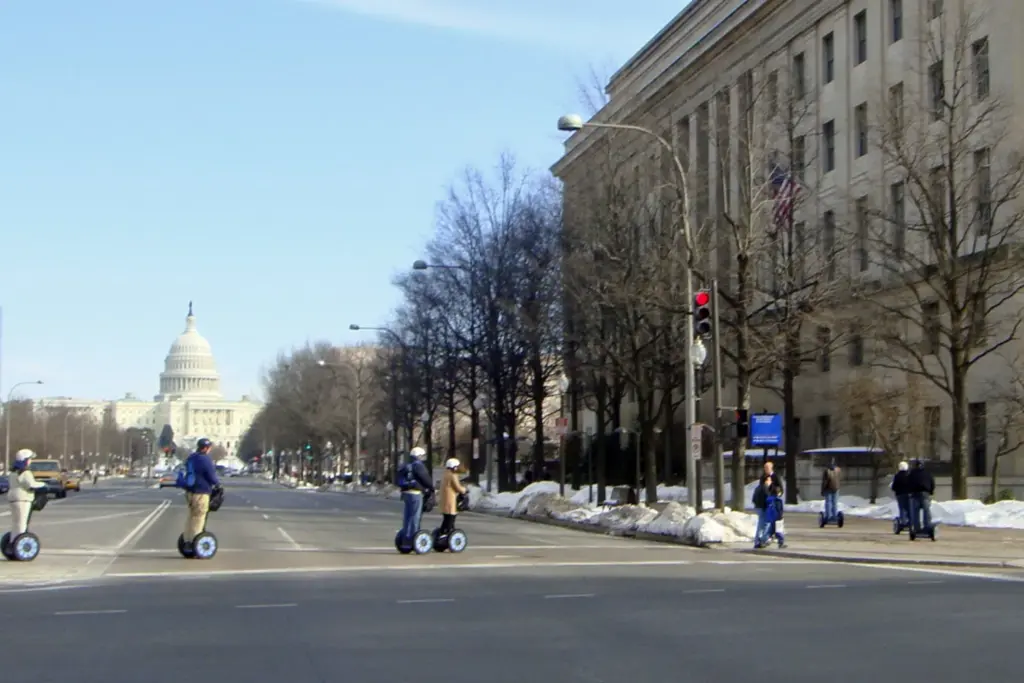
Fun, with limits. Segway tours are an amusing way to glide down the Mall, and they cover more ground than walking. Capital Segway’s guided tour of about 2.5 hours and DC Segway Rentals’ two-hour guided tour were both listed at about $70 in 2026. The trade-off is that you spend a lot of attention on the machine, you stop less often than on a bike, and the group moves at the pace of its least confident rider. Operators set their own age and weight limits, so check before you book.
Plan it: about 2 to 2.5 hours, about $70; a short training session comes first. Best for: groups of friends, people who don’t bike, novelty seekers.
9. A dinner cruise
Pay for the view, not the food. City Cruises runs brunch, lunch, dinner and cocktail cruises from Pier 4 at the Wharf, and in 2026 listings its dinner cruises ranged from about $65 to $135 per person, depending on the boat, the menu and the night, with the premier dinner cruise lasting about 2.5 hours. The river at sunset and the lit monuments are the reason to go. Think of it as a view with dinner rather than a dinner with a view: DC has far better restaurants on land, so book it for the occasion, not the menu.
Plan it: about 2.5 hours; roughly $65 to $135; dress codes vary by boat. Board at the Wharf; Metro: Waterfront (Green line) or L’Enfant Plaza. Best for: anniversaries, birthdays, groups.

10. A ghost tour
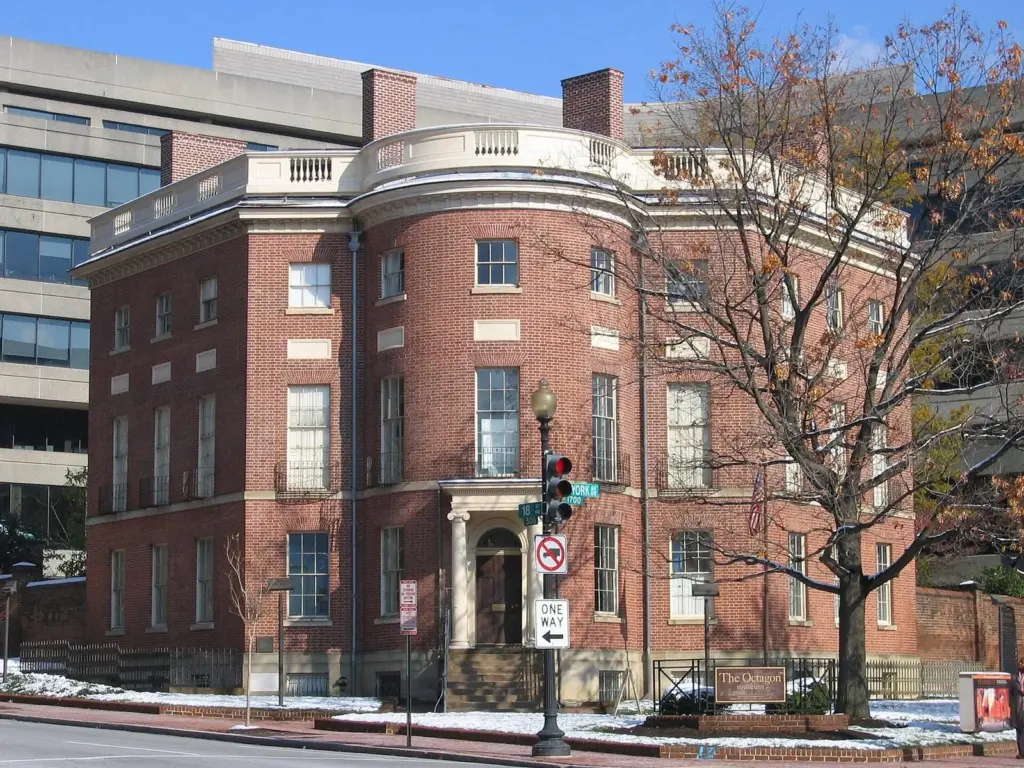
Entertaining, lightly spooky. DC’s ghost tours are really history tours with a theatrical twist, and the best ones are genuinely good on the city’s past. Several operators run them in 2026, including DC Ghosts, which also runs a haunted pub crawl, Ghost City Tours and US Ghost Adventures. Routes typically cover Lafayette Square and the streets around the White House, Capitol Hill, and the Octagon, a Federal-era house that’s a fixture of local ghost stories.
Plan it: evening departures, about 1.5 to 2 hours on foot; prices vary by operator. Busiest in October. Best for: teens, groups, Halloween visitors.
11. Multi-day tour packages
Read the fine print. Escorted packages for school groups, seniors and first-time visitors bundle hotels, transport and a guide, and for some travelers the hand-holding is worth it. But much of what they list as “included” is free anyway: the Smithsonian, the monuments, the Capitol tour. Compare the package price with the hotel and a few paid tours booked separately, check the hotel’s location (a Metro stop matters more than a pool), and ask whether the White House is included, because if it is, the operator has to request it through Congress like everyone else.
Plan it: ask what’s genuinely paid for, how big the group is, and what the cancellation terms are. Best for: school trips, travelers who don’t want to plan.
12. Day tours from New York
Usually not worth it. The drive from New York to Washington is about four hours each way without traffic, so a bus day tour spends most of the day on the highway for a few hours of photo stops. If you have a day, take the train instead: Amtrak’s trains take about three hours, and the new NextGen Acela trains have been running on the Washington-New York-Boston route since August 28, 2025, with one-way Acela fares ranging from roughly $100 to $500 by date. Arrive at Union Station and you’re a short walk from the Capitol.
Plan it: book Amtrak early for the lower fares; if you only have a day, focus on the Mall and one museum. Best for: travelers already in New York with a spare day.
A free do-it-yourself night walk of the memorials
If you’re comfortable walking 3 to 4 miles, you can build your own night tour for nothing. The memorials are open 24 hours and lit after dark, and Park Service rangers are on duty until 10pm. This route takes about two and a half hours with stops.
- World War II Memorial at dusk. Start at the east end of the Reflecting Pool as the light fades, when the fountains and the pillars light up.
- Walk the length of the Reflecting Pool to the Lincoln Memorial, about 15 minutes. Climb the steps and turn around for the view back to the Washington Monument.
- Korean War Veterans Memorial, just southeast of the Lincoln. The steel soldiers walking through the juniper are at their most haunting at night.
- Vietnam Veterans Memorial, just northeast of the Lincoln. The black granite wall reflects the lights and the people walking past it.
- Martin Luther King Jr. Memorial on the Tidal Basin, about 10 minutes south.
- Franklin Delano Roosevelt Memorial, a few minutes on, with its four outdoor rooms and waterfalls.
- Jefferson Memorial, across the Tidal Basin, lit and usually almost empty late in the evening.
From the Jefferson, it’s about 20 minutes back to Smithsonian station. The main paths are lit and, in warm months, busy well into the evening, but use normal city sense: stay on the main paths, keep your phone charged and walk with company late at night. If the full loop is too much, the Lincoln, Korean War and Vietnam memorials alone make a superb one-hour night walk.
Neighborhood walking tours worth finding
The Mall gets the tour groups, but some of the best guided walks in DC are in the neighborhoods, where the history is less monumental and more personal.
- U Street and Shaw: the heart of Black Washington in the early 20th century, once called Black Broadway, and the neighborhood where Duke Ellington grew up. Take the Green line: Yellow line trains now end at Mt Vernon Square, so U Street is on the Green line only.
- Capitol Hill: rowhouse streets, Eastern Market and the stories of the people who work in and around Congress, beyond the Capitol building itself.
- Georgetown: the city’s oldest neighborhood, with its port history, its canal and its Federal-era houses.
- Penn Quarter: the Lincoln assassination story, from Ford’s Theatre to the boarding house where the conspirators met, is one of the most popular themed walks in the city.
- Dupont Circle and Embassy Row: Gilded Age mansions, embassies and the city’s diplomatic life.
These walks are where a guide adds the most. The buildings are mostly private and unmarked, and without someone to tell the stories, you’d walk straight past them.
Free official tours to book before you pay for anything
The best tours in Washington are free, and they’re the ones visitors most often miss because they need booking. None of them can be bought through a tour company, so book them yourself first, then fill the gaps with paid tours.
| Tour | How to book (as of September 2026) | Cost |
|---|---|---|
| White House | U.S. citizens through their Member of Congress; foreign visitors through their embassy; request 21 days to 3 months ahead | Free |
| U.S. Capitol | Reserve at tours.visitthecapitol.gov; Monday to Saturday 8:30am to 4:30pm, last tour 3:20pm; walk-ups by 2:30pm | Free |
| Library of Congress | Timed tickets released 30 days ahead; same-day tickets online at 9am ET | Free |
| Bureau of Engraving and Printing | Free tickets required year-round; tours Monday to Friday 9am to 2pm; same-day tickets online from 8am | Free |
| Pentagon | Online only, 14 to 90 days ahead; photo ID for 18 and over | Free |
| Washington Monument | Recreation.gov 30 days ahead at 10am ET, or free walk-up tickets from 8:45am | Free ($1 online fee) |
The White House is the one that trips people up. Public tours are self-guided, run Tuesday to Thursday from 7:30am to 11:30am and Friday and Saturday from 7:30am to 1:30pm, and can be canceled at short notice. Since the East Wing was demolished in October 2025, the route is shorter. Our White House tour guide explains the request process step by step. The Capitol tour is easier: book online at tours.visitthecapitol.gov, and note that it covers the Crypt, the Rotunda and National Statuary Hall, not the House or Senate galleries.
Inside the big museums, look for free docent-led tours. Several of the Smithsonian museums and the National Gallery of Art offer them on at least some days, and they’re an easy way to get a guide’s eye on a huge collection without paying anything; check each museum’s daily schedule when you arrive. The Bureau of Engraving and Printing, where the country’s paper money is printed, closes on federal holidays and from December 24, 2026 to January 2, 2027. And don’t overlook the free option that runs every day: Park Service rangers at the Mall’s memorials from 9:30am to 10pm, with talks through the day and on request.
Hop-on hop-off vs. the Metro vs. walking
The hop-on hop-off question comes down to cost, time and your feet. Here’s how the three compare for a day of sightseeing, using September 2026 prices.
| Option | Cost for a day | Good for | Drawbacks |
|---|---|---|---|
| Hop-on hop-off (Big Bus) | From about $54 | Commentary, Arlington and Georgetown links, limited mobility | Traffic; waits between buses |
| Metro 1-day pass | $13.50 | Speed between neighborhoods, Arlington, Georgetown via Foggy Bottom | No commentary; stations can be a walk from sights |
| Walking | Free | The Mall, the memorials, Penn Quarter | Distances add up fast in heat |
For two adults, a day of hop-on hop-off costs more than $100 before extras; two Metro day passes cost $27. If anyone in your group struggles to walk, the bus is worth every dollar. If not, use the bus for one day at most, ideally your first, to get oriented, and then walk and ride the Metro. One more thing: the DC Circulator bus, which older guides recommend as a cheap way around the Mall, stopped running at the end of 2024, and nothing has replaced it.
How to choose a tour: questions to ask
- How big is the group? A guide with 12 people is a conversation; a guide with 50 is a lecture you can’t hear.
- What’s actually included? Most tours show you buildings from outside. If a tour promises the inside of the White House, the Capitol or the museums, ask how, because those are free and booked separately.
- How much walking is there? Mall walking tours cover 2 to 3 miles. Ask about stops, restrooms and shade in summer.
- What happens in bad weather? Check the rain policy and the cancellation terms before you pay, especially for bike, Segway and boat tours.
- Where does it start and end? A tour that ends across the river at the Iwo Jima Memorial is great, until you need a way back.
- Is it accessible? Ask about wheelchair space on buses and boats, and about steps at each stop.
- Who’s the guide? The best tours name their guides and their specialties. Reviews that mention a guide by name are a good sign.
- Is the price all-in? Watch for booking fees, fuel surcharges and “recommended” gratuities added at checkout.
The best tour for each kind of traveler
| Traveler | Best paid tour | Best free alternative |
|---|---|---|
| First-timers | Night monuments tour by trolley | The do-it-yourself night walk, plus ranger talks |
| Families with young kids | One day of hop-on hop-off, or a boat ride | Natural History and a picnic on the Mall |
| Teens | Bike tour or ghost tour | A Capital Bikeshare ride around the Tidal Basin |
| History buffs | A specialist or neighborhood walking tour | The Capitol and Library of Congress tours |
| Couples | Sunset Potomac cruise or dinner cruise | The water taxi at sunset, or the memorials at night |
| Food lovers | A Capitol Hill or Union Market food tour | Eastern Market or Union Market on your own |
| Limited mobility | Hop-on hop-off bus; the Arlington tram | The Capitol tour, indoors and step-free |
| Budget travelers | A pay-what-you-wish walking tour | Park Service ranger talks at the memorials |
If you’re stuck between two options, pick the one that covers something you couldn’t do alone. A guide on a neighborhood walk or a boat on the river adds more than a guide on the Mall, which you can walk with a good map.
Tours for kids, seniors and travelers with limited mobility
With kids. The winners are the ones with movement or a story: a bike tour for teenagers, a ghost tour for older children who like a scare, a boat ride for everyone, and the hop-on hop-off bus for families with toddlers who can’t walk the Mall. Long walking tours are the hardest sell for children under 10. Keep any tour under two hours, and pair it with a museum rather than stacking tours.
For seniors. The hop-on hop-off buses and the night trolley tours do the walking for you, and the Arlington tram is close to essential in the cemetery’s hills. Boat cruises are an easy, seated way to see the monuments. If you join a walking tour, choose a short one and ask about the pace. Many senior travelers get more from the Capitol and Library of Congress tours, which are free and indoors, than from a paid city tour.
With limited mobility. Ask every operator about wheelchair access before you book, since bus lifts, boat ramps and trolley steps vary. The Potomac Water Taxi’s Georgetown dock isn’t ADA compliant. The monuments themselves are generally step-free or have elevators, so a vehicle tour plus the Park Service’s accessible routes can cover most of the Mall.
Three ways to combine tours with a DC trip
Two days, first visit. Day one, walk the Mall and see two museums, then take a night monuments tour after dinner. Day two, take the free Capitol tour in the morning, walk across to the Library of Congress, join a Capitol Hill food tour for lunch, and finish with the water taxi from the Wharf to Georgetown at sunset. That’s two paid experiences, and the rest is free.
Three days, a bit more active. Add a morning bike tour of the Mall and the Tidal Basin on the first day, when your legs are fresh, and spend the third morning at Arlington National Cemetery with the tram, then walk across Key Bridge to Georgetown for a neighborhood walk in the afternoon.
With young children. Skip the long walking tours. Do a boat ride or one day on the hop-on hop-off bus, pair it with Natural History and the Air and Space Museum, and save the memorials for an early-evening stroll when the heat breaks. One paid tour is plenty.
Tours in rain, heat and cold
DC’s weather shapes which tours work. In summer, from June to August, heat and humidity make midday walking and bike tours hard going; choose morning or evening departures, carry water, and lean on night tours and boats. Rain is less of a problem for the trolley and bus tours, which run in most weather, but bike, Segway and boat tours may cancel in storms, so check each operator’s weather policy before you pay. In winter, days are short and some tours cut back their schedules, but the monuments at night in cold, clear air are spectacular, and the crowds are at their lowest.
Seasonal tours: blossoms and holidays
In late March and early April, during cherry blossom season, many operators add blossom-themed walks, bike rides and cruises, and demand for everything jumps; book early and expect higher prices. Around the holidays, some operators run seasonal tours of the city’s decorations, and boat companies add holiday cruises. Both seasons are when tours sell out, so book a week or more ahead, and further for weekends.
When to book, and when to go
Book night tours, food tours and dinner cruises ahead in spring and summer, especially during cherry blossom season from late March to mid-April, when everything sells out. Summer days in DC are hot and humid, which makes night tours and boat rides the smartest paid options from June to August. Fall is the best all-around season for bike and walking tours. In winter, check which tours are running; some operate reduced schedules, and boats and paddling are seasonal.
Plan the free official tours furthest ahead: the White House needs at least 21 days, the Pentagon at least 14, and the Capitol and Library of Congress release their best slots weeks out. Then book paid tours around them.
What to skip
Skip anyone selling a White House tour. Public White House tours are free and can only be requested through a Member of Congress or an embassy. A paid “White House tour” is a walk past the fence on Pennsylvania Avenue, which you can do yourself for nothing.
Skip paying for “skip-the-line” museum tickets. The Smithsonian museums are free. The ones that need passes, such as the African American history museum and Air and Space, issue them free on their own websites.
Skip the bus day trip from New York unless you have no alternative. The train is faster and more comfortable.
Skip a Segway tour if you’re nervous on one. The Mall’s crowded paths aren’t the place to learn, and you’ll enjoy a bike or a trolley more.
Skip a dinner cruise if the food is the point. Book one for the view and the occasion.
Check older itineraries for the Kennedy Center. Its board voted on September 15, 2026 to close the main building, so any tour that used to stop at its terrace or include a show there may have changed. Ask before you book.
Skip stacking tours. Two paid tours in one day, plus museums, is too much. One tour a day, at most, leaves time to explore on your own.
Private guides: what to know
A private guide makes sense for families, small groups and anyone with specific interests, from military history to architecture, and for travelers who want to set their own pace. Rates vary widely, so ask for a clear quote covering hours, transport and any entry costs. One thing that surprises visitors: DC doesn’t license tour guides. The city once required guides to pass an exam and hold a license, but a federal appeals court struck the rule down in 2014. Quality is therefore up to you to check. Look for guides with long track records, reviews that mention them by name, and a clear specialty, and ask how they handle security lines and timed-entry passes, which a good guide will plan around for you.
Booking direct, resellers and tipping
Many DC tours are sold both on the operator’s own website and through big booking platforms. Prices are often similar, and sometimes lower on the platform, but booking direct usually makes changes, rain checks and refunds simpler, because you’re dealing with the company running the tour. Whichever you choose, read the cancellation terms, and screenshot your confirmation in case of a signal problem at the meeting point.
Check the meeting point carefully. Many tours start near Union Station, on the Mall, at the Wharf or in Old Town Alexandria, and a pin on a map can be a block away from where the guide actually stands. Give yourself 15 minutes to find it, especially for evening tours, and note the operator’s phone number in case you’re running late.
Tipping guides is customary in the United States. For a walking, bike or food tour, many people tip the guide 15 to 20 percent of the ticket price, and more for a private tour. On pay-what-you-wish walking tours, the payment at the end is the guide’s fee, so pay what the tour was worth to you. Bus drivers and boat crews are commonly tipped a few dollars per person if they narrate or help with luggage.
Finally, don’t let tours crowd out the city itself. The best days in DC combine one good tour with free museums, a memorial walk and a neighborhood meal, and our guide to the best things to do in DC helps you build that day. For the memorials themselves, with hours, locations and how to see them at night, see our guide to the monuments.
Washington DC Tours FAQ
What is the best tour in Washington DC?
For most first-time visitors, a night tour of the monuments. The memorials are lit after dark, the crowds are gone, and a trolley or bike tour links sights that are hard to connect on foot. Old Town Trolley’s Monuments by Moonlight, about 2.5 hours, was listed at about $64 to $70 in 2026.
Are hop-on hop-off buses worth it in DC?
Only in some cases. They’re worth it if walking is hard, if you have small children, or if you want to link the Mall with Arlington and Georgetown. For fit visitors staying downtown, walking and the Metro are faster and far cheaper: a Metro day pass cost $13.50 in 2026, against about $54 for a day of Big Bus.
How much do tours in Washington DC cost?
In 2026 listings, walking tours ranged from pay-what-you-wish to fixed prices, bike tours started around $55, Segway tours ran about $70, night trolley tours about $64 to $70, hop-on hop-off buses from about $54 a day, and dinner cruises roughly $65 to $135. The Capitol and White House tours are free.
Can you tour the White House?
Yes, for free, but you can’t buy a tour. U.S. citizens request one through their Member of Congress, and foreign visitors through their embassy, 21 days to 3 months ahead. Tours are self-guided and can be canceled at short notice. Paid “White House tours” only show you the outside.
Is there a free walking tour in DC?
Yes, in two forms. Some walking tours run on a pay-what-you-wish model, where you pay the guide what you think the tour was worth. And the National Park Service keeps rangers at the memorials on the Mall from 9:30am to 10pm daily, with free talks and answers to questions.
What is the best night tour in DC?
A trolley tour of the monuments, such as Old Town Trolley’s Monuments by Moonlight, which stops at the Iwo Jima, FDR, Lincoln, Vietnam, Korean War and MLK memorials. Night bike tours are the active alternative. Or go free on your own: the memorials are open 24 hours and lit after dark.
What are good DC tours for seniors?
Tours that do the walking for you: hop-on hop-off buses, night trolley tours and Potomac cruises. The Arlington tram is close to essential in the cemetery’s hills. The free Capitol and Library of Congress tours are indoors and manageable. Ask any operator about pace, steps and accessibility before booking.
Can you do a day trip to DC from New York?
You can, but take the train rather than a bus tour. Amtrak takes about three hours each way, while the drive is about four without traffic. Arrive at Union Station, walk to the Capitol, and spend the day on the Mall with one museum. A bus day tour spends most of the day on the road.
Related Washington DC Guides
- Things to Do in Washington DC: the city’s best sights, most of them free, ranked for a first visit.
- White House Tour: how to request a free tour, and the other free official tours.
- Washington DC Monuments: every memorial on the night tours, with hours and locations.
Sources and How We Checked
We checked the prices, schedules and booking rules on this page on September 24, 2026 against operators’ sites, current listings and the official agency pages below, and compiled the page from them. We don’t claim to have taken these tours, and no operator paid to be included.
- Arlington National Cemetery Tours: Tickets
- U.S. Capitol Visitor Center: Tours
- National Park Service: National Mall and Memorial Parks
- WMATA: Metro fares and passes
- Capital Bikeshare
- Amtrak
We also checked the websites and current listings of Big Bus Tours, Old Town Trolley Tours, City Cruises, the Potomac Riverboat Company, Unlimited Biking, Capital Segway, DC Segway Rentals, Free Tours by Foot, DC Metro Food Tours, Union Market and the DC ghost tour operators, plus the White House, Pentagon, Library of Congress, Bureau of Engraving and Printing and Recreation.gov pages for the free tours.
Washington DC Tourism Guide is an independent publication. We are not affiliated with Destination DC, the National Park Service, the Smithsonian Institution or any tour operator listed here, and no one paid to be included.
Photo Credits
- The Jefferson Memorial at night: photo by John Brighenti from Rockville, MD, United States, via Wikimedia Commons (CC BY 2.0)
- Lincoln Memorial statue at night: photo by Gregory Varnum, via Wikimedia Commons (CC BY-SA 3.0)
- The Washington Monument from the water: photo by CBP Photography, via Wikimedia Commons (Public domain)
- Union Market: photo by Farragutful, via Wikimedia Commons (CC BY-SA 4.0)
- Segway tour on Pennsylvania Avenue, 2010: photo by Mariordo Mario Roberto Duran Ortiz, via Wikimedia Commons (CC BY-SA 3.0)
- The Wharf at night: photo by TimBray, via Wikimedia Commons (CC BY 4.0)
- The Octagon: photo by Aude, via Wikimedia Commons (CC BY-SA 2.5)