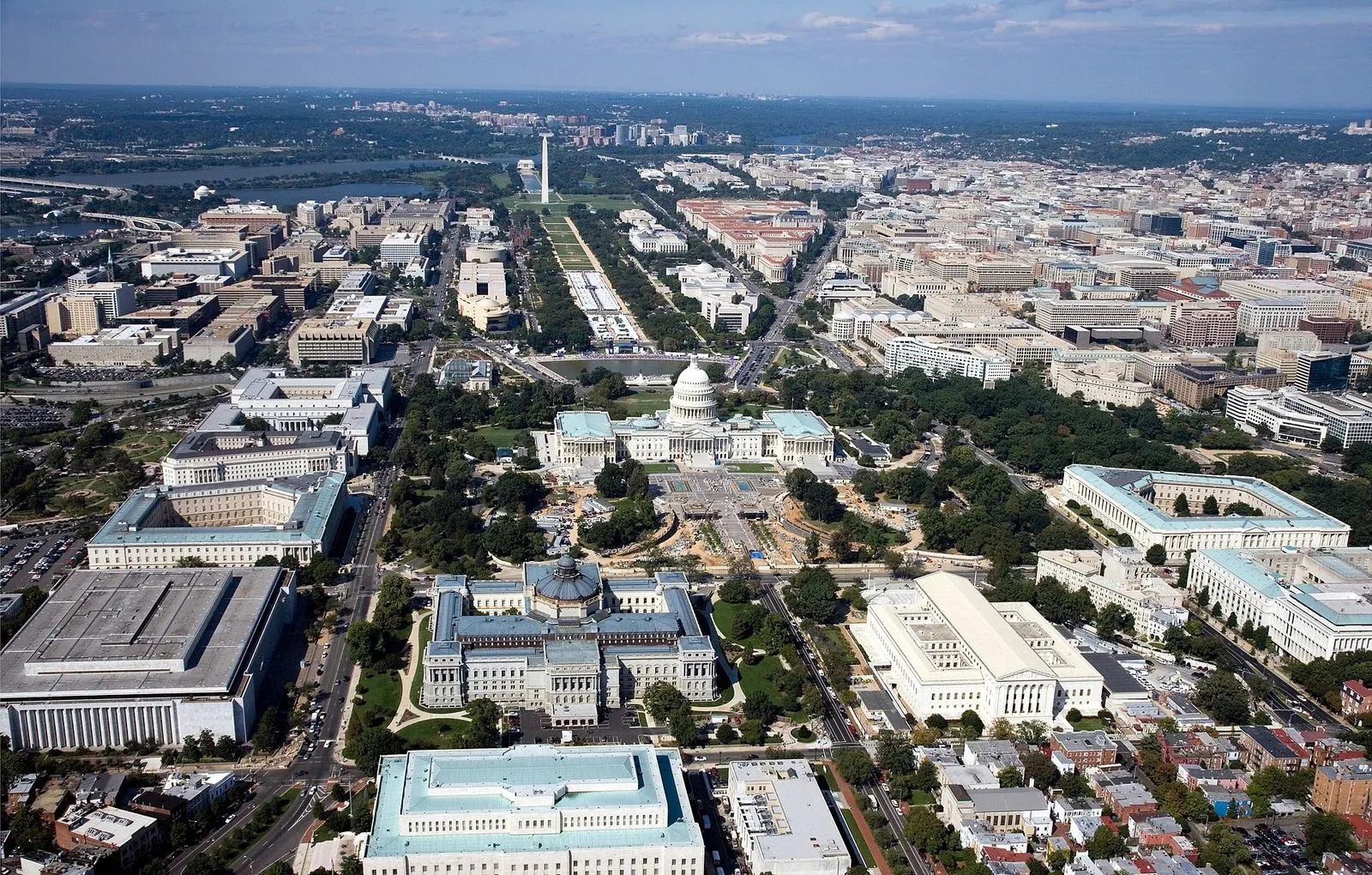
Most Washington itineraries fail in the same way: they treat the National Mall as one sight and try to “do” it in a day. It’s two miles long, lined with more than a dozen museums and memorials, and a straight walk from the Capitol to the Lincoln Memorial takes about 45 minutes before you’ve stopped to look at anything. A good Washington DC itinerary works with the city’s geography instead of against it: one area per half day, timed passes booked before you leave home, memorials at the edges of the day and museums in the middle, and meals planned where you’ll already be standing. This guide gives you the building blocks, then assembles them into trips of one to seven days, with versions for different interests and seasons.
Quick answer: Three days is the sweet spot for a first visit. Day one: the memorials along the Reflecting Pool in the morning, Natural History and American History at midday, and the Tidal Basin at sunset. Day two: the Capitol, the Library of Congress and the Supreme Court, then Air and Space and the American Indian museum. Day three: Arlington National Cemetery, then Georgetown or U Street for the evening. Book the Washington Monument, Air and Space and the African American history museum ahead; all are free or nearly so.
Last updated September 24, 2026. Hours, passes and closures in every day plan were checked that day against the attractions’, agencies’ and transit operators’ own websites.
- Ideal length: three days for the essentials, four or five to add neighborhoods and a day trip, a week to see the city properly.
- Book first: White House tours (21 days to three months ahead), Washington Monument tickets (30 days ahead, $1 online fee), and free timed passes for Air and Space on the Mall, the African American history museum, the National Zoo and the Library of Congress.
- Getting around: Metro plus walking. A one-day Metro pass costs $13.50 and a three-day pass $33.75, as of September 2026. The DC Circulator no longer runs.
- Watch the calendar: the Library of Congress closes Sundays and Mondays, the Supreme Court is weekdays only, and the Smithsonian museums close only on December 25.
On this page: How to build an itinerary | What to book | Itinerary chooser | The building blocks | Itineraries by trip length | A day hour by hour | Walking routes | Special situations | Holidays and events | Costs | Where to eat | Extra day trips | By interest | By season | Getting around | Pacing | Evenings | Sundays and Mondays | Mistakes to avoid | FAQ
This page is about sequencing. For what each sight is and why it’s worth your time, see our ranked guide to things to do in Washington DC, and for the memorials in detail, our guide to the monuments on the National Mall.
How to Build a Washington DC Itinerary That Works
1. Cluster by geography. DC’s sights fall into tight clusters: the memorials around the Reflecting Pool, the Tidal Basin loop, the museums along the Mall, Capitol Hill, the White House and Penn Quarter, Arlington across the river, and the neighborhoods to the north and west. Moving between clusters costs time; moving within them costs almost nothing. Plan half days around one cluster each and you’ll see far more.
2. One big museum, one outdoor block. Museum fatigue is real, and it arrives faster than you expect. Pair a two-hour museum visit with a walk, a memorial or a meal outside. Two big museums in a day is the realistic maximum for most adults; with kids, one is often better.
3. Book timed passes first, then build around them. A handful of sites need tickets for specific times, and they’re the fixed points in your plan. Book them as soon as your dates are set, then fill in the free, walk-in sights around them.
4. Put the memorials at the edges of the day. The memorials never close, and rangers are on duty from 9:30 a.m. to 10 p.m. They’re at their best at sunrise, when they’re empty, and after dark, when they’re lit and cool. Museums, which mostly open at 10 a.m., fill the middle of the day, and they’re air-conditioned for summer afternoons.
5. Eat where you’ll be. The Mall itself has little food. Know your lunch plan before you’re hungry: the American Indian museum’s Mitsitam cafe on the Mall, Penn Quarter a 10-minute walk north, the Wharf 15 minutes south.
6. Leave slack. Timed passes fall through, weather turns, feet give out. A free afternoon on day two or three absorbs all of it, and it’s often when the best unplanned moments happen.
Timed Passes and Tickets to Book Before You Go
Everything else in DC can be decided on the day. These can’t. Rules as of September 2026.
| Site | What you need | When to book | Cost |
|---|---|---|---|
| White House | Tour request through a member of Congress or your embassy | 21 days to 3 months ahead | Free |
| Washington Monument | Timed ticket for the elevator | Recreation.gov, 30 days ahead at 10 a.m. ET; extra release 3 p.m. the day before; walk-ups from 8:45 a.m. | Free, $1 fee online |
| African American History and Culture | Timed pass, all ages | 30 days ahead, rolling; same-day online from 8:15 a.m. | Free |
| Air and Space Museum (Mall) | Timed pass, all ages | Museum website, before you go | Free |
| National Zoo | Entry pass for everyone, infants included | 30 days ahead, rolling | Free (parking extra) |
| Library of Congress | Timed-entry ticket | Up to 30 days ahead; same-day at 9 a.m. | Free |
| Bureau of Engraving and Printing | Tour ticket | Online or by phone; same-day from 8 a.m. | Free |
| U.S. Holocaust Memorial Museum | Timed ticket for the Permanent Exhibition, all year | Online ahead | $1 advance fee |
| Capitol | Guided tour | Online, or walk up by 2:30 p.m. | Free |
| Mount Vernon | Admission with timed Mansion entry | Online; $2 off 3+ days ahead | Adults from $30 |
The order of operations: request the White House tour first, since it has the longest lead time and the least certainty. Set reminders for the 30-day windows for the Washington Monument, the African American history museum and the zoo. Book Air and Space and the Library of Congress once your days are mapped. If the Holocaust Museum is on your list, note that its current permanent exhibition becomes unavailable to the public once construction of a new one begins in January 2027.
Itinerary Chooser: Which Modules for How Many Days
Use this table to see at a glance which of the numbered modules below fit into your trip, and what to book for each length.
| Trip length | Core modules | Add if you can | Book ahead |
|---|---|---|---|
| 1 day | 1, 3 (monument only), 4 | The memorials after dark | Washington Monument |
| 2 days | 1, 4, 7, 6, 5, 2 | The Capitol tour | Air and Space, Library of Congress, Washington Monument |
| 3 days | 1, 4, 6, 5, 2, 8, then 9 or 10 | Swap in 3 for the African American history museum | As above, plus the African American history museum if included |
| 4 days | The 3-day plan plus 3 and 11 | A free afternoon | Add the Spy Museum |
| 5 days | The 4-day plan plus 12 or 13 | Both, at a slower pace | Add the zoo or Mount Vernon |
| 7 days | All 13 modules | Udvar-Hazy, the Cathedral, Great Falls, Baltimore’s aquarium | Everything above, plus any day trips |
The Building Blocks: DC in Half-Day Modules
Every itinerary on this page is assembled from these modules. Each is a half day or an evening in one area, with the walking route, the timing, the bookings and a meal. Mix and match them to build your own trip.
1. The Reflecting Pool Memorials
Half day; free; best at sunrise or after dark. Start at the Washington Monument grounds and walk west to the WWII Memorial, then along the elms beside the Reflecting Pool to the Lincoln Memorial. Drop down to the Korean War Veterans Memorial, cross to the Vietnam Veterans Memorial, and finish in Constitution Gardens. It’s about 2 miles and two to two and a half hours with stops. The Reflecting Pool was drained in April 2026, recoated and refilled; if the water matters to you, check the Park Service’s alerts before you go.
There’s no food on this side of the Mall, so carry water. After a morning here, head north to Foggy Bottom or east to Penn Quarter for lunch. After an evening here, the Lincoln Memorial lit from inside is one of the great sights of the city.
Plan it: Open 24 hours; rangers 9:30 a.m. to 10 p.m. Free. Start at Smithsonian (Blue, Orange, Silver lines); finish at Foggy Bottom-GWU (Blue, Orange, Silver lines). Allow 2 to 2.5 hours. Best for: first-timers, night walks, photographers.
2. The Tidal Basin Loop
Half day; free; best in late afternoon. Begin at the Martin Luther King Jr. Memorial on the basin’s northwest shore, walk through the four open-air rooms of the FDR Memorial, cross the inlet bridge to the Jefferson Memorial and the small George Mason Memorial, then follow the east shore back toward the Washington Monument. It’s about 2 miles and two hours. The rebuilt seawall, finished in December 2025, gives you a wider walkway than older guides describe.
For a break, rent a pedal boat: in September 2026 they ran weekdays 10 a.m. to 7 p.m. and weekends 9 a.m. to 7 p.m., with the last boat at 5:45 p.m., for $38 on weekdays and $40 on weekends. For dinner, the Wharf and its Municipal Fish Market are a 15-minute walk south of the Jefferson Memorial.
Plan it: Open 24 hours. Free (boats extra). Metro: Smithsonian, 15 to 20 minutes’ walk to the basin. Allow 2 hours. In cherry blossom season, go at sunrise. Best for: couples, photographers, spring and fall afternoons.
3. The Washington Monument and the Mall’s West End Museums
Half day; timed tickets. Start with the Washington Monument’s elevator: the ride to the 500-foot level takes about 70 seconds, and the view shows you the whole city plan at once. Tickets go on sale on Recreation.gov 30 days ahead at 10 a.m. Eastern, with a $1 fee each, and free same-day tickets are handed out at the Lodge on 15th Street from 8:45 a.m. Everyone 2 and older needs one, and strollers aren’t allowed.
From there, it’s a five-minute walk to the National Museum of African American History and Culture, which needs its own free timed pass and at least three hours, or to the National Museum of American History next door, which needs no pass. If you only have time for one, choose by interest: the African American history museum is the most powerful museum in the city; American History is broader and lighter.
Plan it: Monument 9 a.m. to 5 p.m. (last entry 4 p.m.), closed July 4, December 25 and one maintenance day a month (October 5, November 4 and December 8 for the rest of 2026). Museums 10 a.m. to 5:30 p.m. Metro: Smithsonian or Federal Triangle. Allow 4 hours. Best for: history lovers, first-timers.
4. Natural History, the National Gallery and the Archives
Half day; free. Open at Natural History at 10 a.m.: head upstairs to the Hope Diamond first, then down to the Hall of Fossils: Deep Time. Cross to the National Gallery of Art next door for an hour of paintings, or its Sculpture Garden for fresh air. Then cross Constitution Avenue to the National Archives, where the Declaration of Independence, the Constitution and the Bill of Rights sit in the rotunda. At busy times the Archives’ walk-in line can take an hour or more, so an optional reservation, free or $1 for a timed entry, is worth it.
Lunch is easy here: José Andrés’s Oyamel, Jaleo and Zaytinya are all within a few minutes’ walk in Penn Quarter.
Plan it: Natural History 10 a.m. to 5:30 p.m.; National Gallery 10 a.m. to 5 p.m.; Archives 10 a.m. to 5:30 p.m. All free. Metro: Archives-Navy Memorial-Penn Quarter (Green, Yellow lines) or Smithsonian. Allow 4 hours. Best for: families, rainy days, first-timers.
5. Air and Space, the American Indian Museum and the Hirshhorn
Half day; Air and Space needs a free timed pass. The eastern end of the Mall’s south side holds three very different museums. Start at the National Air and Space Museum, entering on Jefferson Drive with your pass: as of September 2026, 18 of its 20 renovated galleries are open, with the last two opening October 30 and November 11. Walk east to the National Museum of the American Indian for lunch at the Mitsitam Native Foods Cafe, the best food on the Mall, open 10 a.m. to 5 p.m. Finish at the round Hirshhorn, whose redesigned Sculpture Garden reopens with a free weekend on October 31 and November 1, 2026.
Plan it: 10 a.m. to 5:30 p.m. daily. Free. Metro: L’Enfant Plaza (Blue, Orange, Silver, Green, Yellow lines). Allow 4 to 5 hours with lunch. Best for: families, aviation fans, art lovers.
6. Capitol Hill: The Capitol, the Library and the Court
Weekday half day; free. Start with a guided tour from the Capitol Visitor Center, underground on the Capitol’s east side: the Crypt, the Rotunda and National Statuary Hall. Book online, or walk up by 2:30 p.m. Cross First Street to the Library of Congress’s Thomas Jefferson Building with a free timed ticket; its Great Hall is the most beautiful interior in Washington. Then the Supreme Court, open to the public on weekdays from 9 a.m. to 3 p.m., for its exhibitions and, when the Court isn’t sitting, a courtroom lecture.
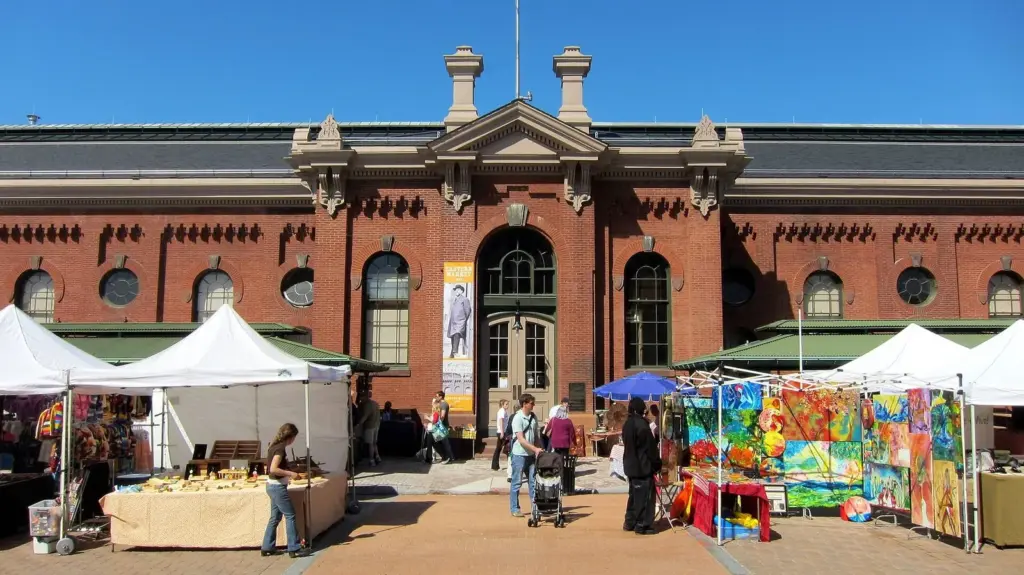
Finish with a walk to Eastern Market at 7th and C Streets SE, whose South Hall merchants are open Tuesday to Sunday, with a flea market on weekends from 9 a.m. to 4 p.m., and dinner on Barracks Row, where Rose’s Luxury is the table to book.
Plan it: Library of Congress Tuesday to Saturday 10 a.m. to 5 p.m., Thursday to 8 p.m.; Supreme Court Monday to Friday 9 a.m. to 3 p.m. Metro: Capitol South (Blue, Orange, Silver lines) or Union Station (Red line). Allow 4 to 5 hours plus dinner. Best for: history and civics fans. Avoid Sunday and Monday, when the Library is closed.
7. The White House, Pennsylvania Avenue and Penn Quarter
Half day into evening; free. If you have a White House tour, it will be in the morning (Tuesday to Thursday 7:30 to 11:30 a.m., Friday and Saturday to 1:30 p.m.), and it’s shorter than it used to be, since the East Wing rooms left the route in 2025. Without one, start at the White House Visitor Center at 1450 Pennsylvania Avenue NW, open 7:30 a.m. to 4 p.m., then walk to Lafayette Square for the North Portico view and round to the Ellipse for the South Portico.
Walk east along Pennsylvania Avenue past the National World War I Memorial to the National Archives, and on to the Portrait Gallery and the American Art Museum, which share a building and stay open until 7 p.m. Dinner is right there in Penn Quarter: Jaleo, Zaytinya or Oyamel, or minibar for a two-Michelin-star splurge. From November 13 to December 23, 2026, the DowntownDC Holiday Market fills F Street outside the museums.
Plan it: Portrait Gallery and American Art 11:30 a.m. to 7 p.m. Metro: McPherson Square or Farragut West to start; Gallery Place-Chinatown to finish. Allow 5 to 6 hours with dinner. Best for: first-timers, couples, evenings.
8. Arlington National Cemetery and the Marine Corps War Memorial
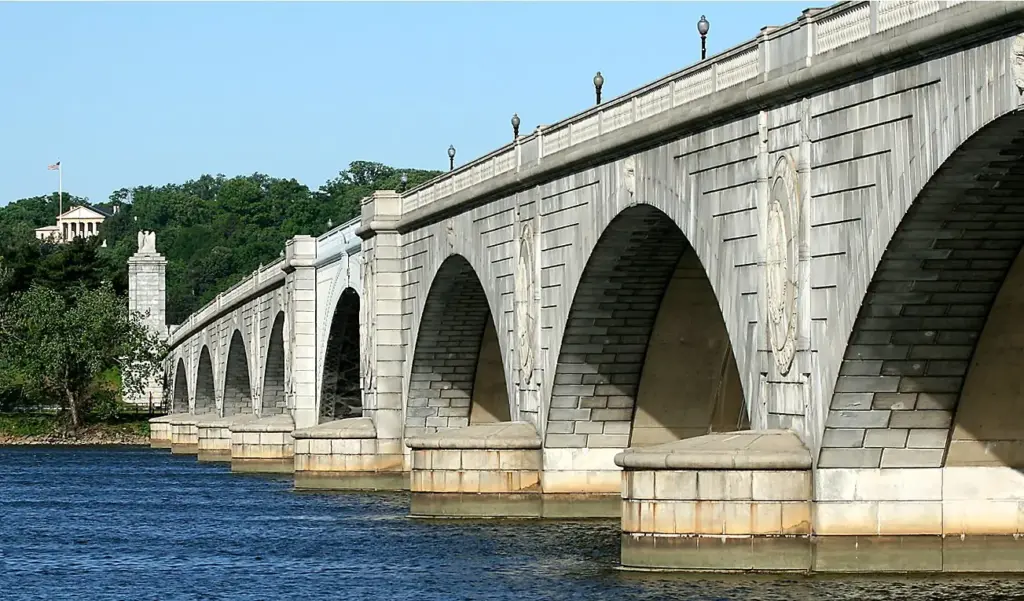
Half day; free. Take the Blue line to Arlington Cemetery station, or walk across Memorial Bridge from the Lincoln Memorial in about 25 minutes. The cemetery is hilly and large, so plan your route: the Tomb of the Unknown Soldier for the Changing of the Guard, the Kennedy graves and Arlington House on the hill above. The guard changes every 30 minutes from April 1 to September 30 and on the hour from October 1 to March 31. The cemetery is open 8 a.m. to 7 p.m. in the summer season and 8 a.m. to 5 p.m. from October 1.
Afterward, the Marine Corps War Memorial, the Iwo Jima statue, is a walk or short ride north. On summer Tuesdays at 7 p.m., the Marines’ free Sunset Parade is held there, with no reservation needed.
Plan it: Free. Metro: Arlington Cemetery (Blue line). Wear comfortable shoes; the walk to the Tomb is uphill. Allow 3 hours. Best for: history lovers, veterans’ families, a quiet morning.
9. Georgetown and the Waterfront
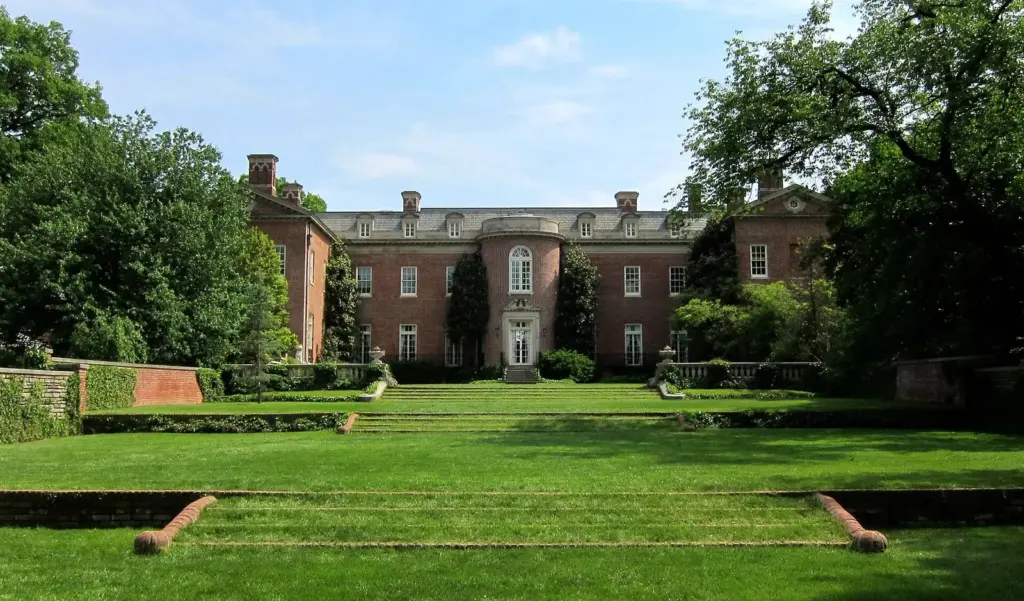
Half day into evening. Georgetown is older than Washington itself: Federal townhouses, the C&O Canal towpath, the shops of M Street and Wisconsin Avenue and a waterfront park on the Potomac. Walk the canal, climb to the quieter residential streets up the hill, and, from March through October, visit the gardens at Dumbarton Oaks, open Tuesday to Sunday from 2 to 6 p.m. with a $15 timed ticket bought online in advance; there are no gate sales.
Georgetown has no Metro station, so budget for the walk from Foggy Bottom-GWU or Rosslyn, a bus or a rideshare. The scenic option in season is the Potomac Water Taxi, which links the Georgetown waterfront with the Wharf and Old Town Alexandria.
Plan it: Metro: Foggy Bottom-GWU or Rosslyn (Blue, Orange, Silver lines), 15 to 20 minutes’ walk. Allow 4 hours. Best for: couples, shoppers, second-time visitors.
10. U Street and 14th Street by Night
Evening. Start at the African American Civil War Memorial at the U Street station exit, then walk U Street’s historic corridor. Eat a half-smoke at Ben’s Chili Bowl, open again since May 1, 2026, after a ten-month renovation, or sit down for Ethiopian at Dukem on U Street or Chercher a few blocks south in Shaw. For a French brasserie night, Le Diplomate is on 14th Street. Then stay for live music or a cocktail bar; this is one of the city’s liveliest strips after dark.
Plan it: Metro: U Street (Green line only; Yellow trains end at Mt Vernon Square). Metro runs until midnight Sunday to Thursday and until 2 a.m. on Friday and Saturday nights. Allow 3 to 4 hours. Best for: food lovers, night owls, couples.
11. The Wharf, the Spy Museum and the Riverfront
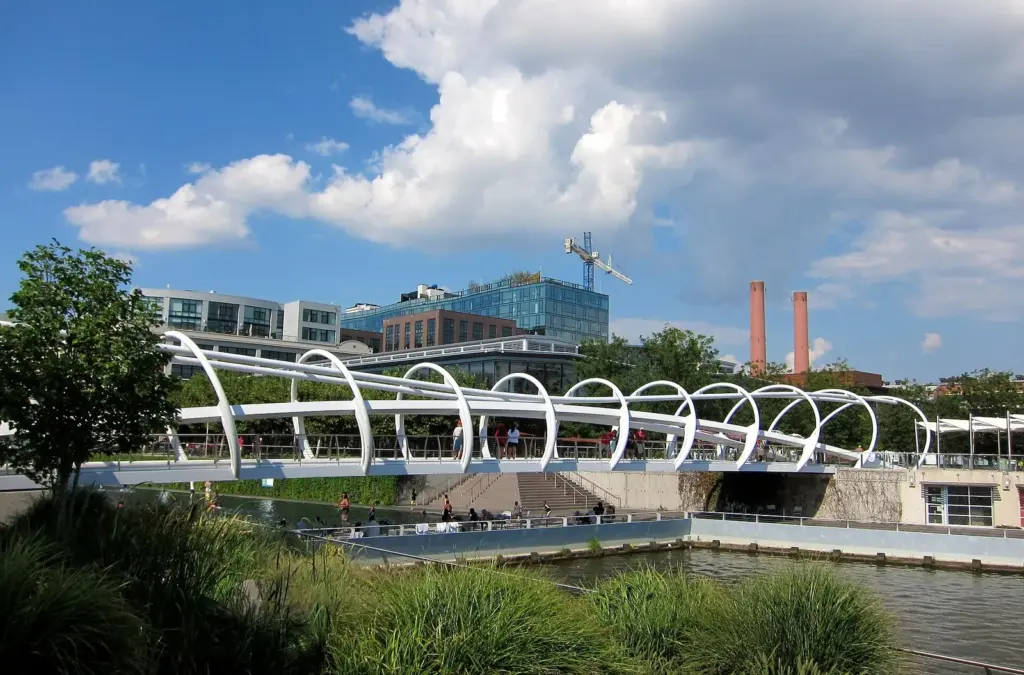
Afternoon into evening. Start at the International Spy Museum at L’Enfant Plaza, with its interactive spy mission; kids 6 and under are free, and booking early gets the best price. Walk south to the Wharf, a mile of restaurants, piers and music venues on the Washington Channel, and eat steamed crabs from the Municipal Fish Market, which traces its history to 1805. In summer, the Wharf’s free Friday concerts start at 7 p.m. on the Transit Pier. On a game day, the riverfront at Navy Yard, with Yards Park and Nationals Park, is a short ride east.
Plan it: Spy Museum September to February weekdays 10 a.m. to 6 p.m., Saturday 9 a.m. to 7 p.m., Sunday 9 a.m. to 6 p.m. Metro: L’Enfant Plaza; Waterfront or Navy Yard-Ballpark (Green line). Allow 5 hours. Best for: families, couples, summer evenings.
12. The National Zoo, Woodley Park and Adams Morgan
Half day into evening. The Smithsonian’s National Zoo is free, but everyone needs an entry pass, released 30 days ahead. Giant pandas Bao Li and Qing Bao have been on view on the Asia Trail since January 2025. Go at opening, when the animals are most active: on the winter schedule, from September 15 to March 14, the grounds are open 8 a.m. to 4 p.m. From the zoo, walk south through Woodley Park to Adams Morgan for dinner, where Michelin added Rye Bunny and Maison Bar à Vins to its recommendations in September 2026.
Plan it: Metro: Cleveland Park (Red line), a mostly flat walk to the zoo entrance; the walk from Woodley Park is uphill. Parking $30 bought a day or more ahead. Allow 3 hours at the zoo. Best for: families, animal lovers.
13. Day Trip: Old Town Alexandria and Mount Vernon
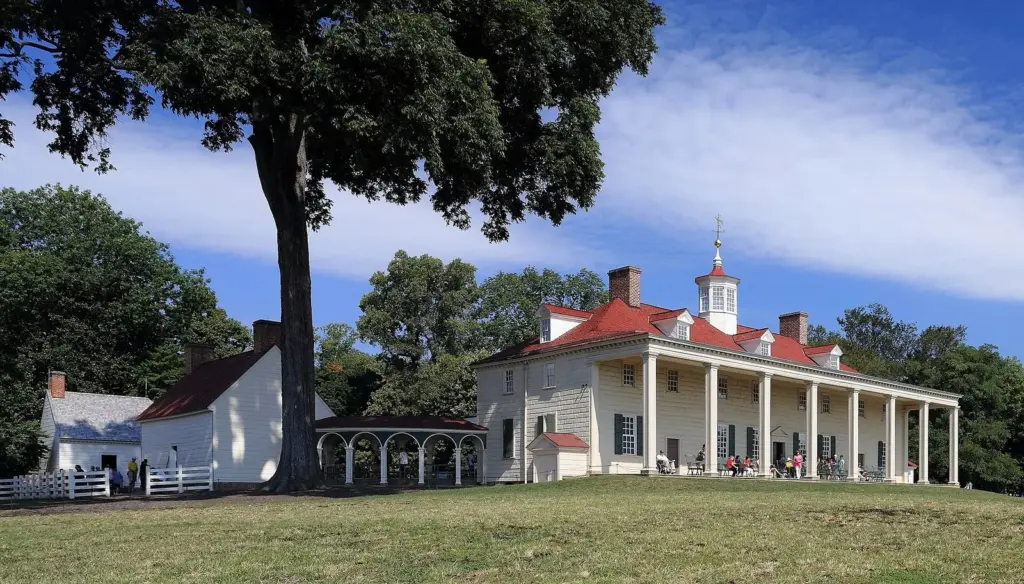
Full day; Mount Vernon is paid. George Washington’s estate is open daily 9 a.m. to 5 p.m.; adult tickets (ages 12 and up) start at $30 online as of September 2026, with $2 off if you book three or more days ahead, and you choose a timed Mansion entry when you book. Allow three hours for the house, the farm and the riverside grounds. On the way back, stop in Old Town Alexandria, where a free King Street Trolley runs every 15 minutes from 11 a.m. to 11 p.m. between the Metro and the waterfront, and the Torpedo Factory Art Center is free and open daily 10 a.m. to 6 p.m. In season, the water taxi from Old Town’s waterfront to the Wharf makes a scenic return.
Plan it: Metro: Huntington (Yellow line) then a Fairfax Connector bus to Mount Vernon; King Street-Old Town (Blue, Yellow lines) for Alexandria. By car, Mount Vernon is about 40 minutes from downtown. Allow a full day. Best for: history lovers, repeat visitors, a change of pace.
More modules for longer trips: the Udvar-Hazy Center near Dulles, with Space Shuttle Discovery (free, parking $15, no pass); the Washington National Cathedral ($15 adults); Great Falls Park on the Potomac; the Frederick Douglass National Historic Site in Anacostia, by ranger tour booked on Recreation.gov; the U.S. National Arboretum; and the Anacostia Community Museum, which reopened on May 30, 2026.
Washington DC Itineraries by Trip Length
These plans assemble the modules above. Each day lists the modules in order; the bookings you’ll need are noted. Our dedicated day-by-day guides for each trip length go into more detail.
If You Have One Day
You can see the essentials in one long day if you start early and accept that it’s a highlights reel. Begin at the Lincoln Memorial at sunrise, when it’s nearly empty, and walk east past the Korean War and Vietnam memorials and along the Reflecting Pool to the WWII Memorial (module 1, in reverse). Ride the Washington Monument elevator on a timed ticket booked 30 days ahead, ideally the first slot of the day (module 3). Spend late morning at Natural History, then eat lunch in Penn Quarter (module 4).
In the afternoon, pick one: the Capitol tour, with a walk-up slot before 2:30 p.m., or the White House view from Lafayette Square and the Ellipse plus the National Archives. Have dinner in Penn Quarter, then finish with the Tidal Basin or the Lincoln Memorial after dark. It’s about 7 miles of walking; use Metro between the ends of the Mall to save your legs. Bookings: Washington Monument.
If You Have Two Days
Day one: the Reflecting Pool memorials in the morning (module 1), Natural History, the National Gallery and the Archives at midday (module 4), and the White House area and Penn Quarter into the evening (module 7). Day two: Capitol Hill in the morning (module 6, on a weekday), Air and Space and lunch at the American Indian museum in the afternoon (module 5), and the Tidal Basin at sunset (module 2).
Two days covers the Mall well but leaves out Arlington and the neighborhoods. Bookings: Air and Space, the Library of Congress, the Capitol (optional), and the Washington Monument if you want the view.
Day one in detail. Start at the Lincoln Memorial by 8 a.m. and work east along the Reflecting Pool, finishing at the WWII Memorial around 10. Walk 10 minutes to Natural History for a late-morning visit, then cross to Penn Quarter for lunch. After lunch, the National Archives is two minutes from Oyamel. Take a midafternoon break, then walk west along Pennsylvania Avenue to Lafayette Square and the Ellipse for the White House views in the late-afternoon light. Dinner in Penn Quarter, and if you have energy left, the Portrait Gallery until 7 p.m. or the memorials after dark.
Day two in detail. A 9 a.m. Capitol tour, then the Library of Congress at 10:30 with a timed ticket, and the Supreme Court before it closes at 3 p.m. if the order suits you better. Lunch at Mitsitam in the American Indian museum, a 10-minute walk down the hill, then Air and Space with your pass. Walk west along the Mall to the Tidal Basin for sunset at the Jefferson Memorial, and finish with dinner at the Wharf’s fish market, 15 minutes south.
If You Have Three Days
The best length for a first visit. Day one: modules 1 and 4, ending with dinner in Penn Quarter. Day two: module 6 on Capitol Hill, module 5 in the afternoon and module 2 at sunset. Day three: module 8 at Arlington in the morning, then module 9 in Georgetown or module 10 on U Street for the evening.
If the African American history museum matters to you, swap module 4 for module 3 on day one. Bookings: Air and Space, the Library of Congress, the Washington Monument and, if included, the African American history museum.
How the days flow. Day one keeps you on the Mall’s western half and in Penn Quarter, so you’re never far from a Metro station or a meal. Day two moves east to Capitol Hill, then back along the Mall’s south side, ending at the Tidal Basin for the best light of the day. Day three crosses the river: arrive at Arlington National Cemetery when it opens at 8 a.m., see the Changing of the Guard at the Tomb of the Unknown Soldier, walk back across Memorial Bridge to the Lincoln Memorial, and spend the afternoon in Georgetown. In the evening, either stay for dinner by the water there or ride the Green line to U Street for a half-smoke at Ben’s Chili Bowl and Ethiopian food nearby.
If it rains on day three, swap Arlington for module 3, the Washington Monument and the African American history museum or American History, and move Arlington to the next dry morning.
If You Have Four Days
Add depth. Follow the three-day plan, then add a fourth day built around module 3, with the Washington Monument and the African American history museum, and module 11 at the Spy Museum and the Wharf for the evening. Four days also gives you room to move the museum days to avoid bad weather and to keep one afternoon free.
Bookings: add the African American history museum and the Spy Museum.
A good shape for day four: the Washington Monument at 9 a.m., the African American history museum from 10 a.m. into the afternoon, with its history galleries first and a break in the Contemplative Court, then the Spy Museum at L’Enfant Plaza in the late afternoon and the Wharf for dinner. On a summer Friday, the Wharf’s free concert on the Transit Pier starts at 7 p.m.
If You Have Five Days
Add the zoo and a day trip. Days one to four as above, with day five split between module 12, the zoo in the morning and Adams Morgan in the evening, or replaced by module 13, Mount Vernon and Old Town Alexandria. With five days, you can also slow down: one big museum a day, and a long lunch.
Bookings: add the zoo and Mount Vernon.
If you choose the zoo, go at opening on a weekday, see the giant pandas on the Asia Trail first, and walk down through Woodley Park to Adams Morgan for lunch or an early dinner. If you choose Mount Vernon, book a morning Mansion time, spend three hours on the estate, and stop in Old Town Alexandria on the way back, riding the free King Street Trolley from the waterfront to the Metro.
If You Have a Week
A week lets you see Washington the way residents do. Cover modules 1 to 13 over six days, then use the seventh for one of the extra modules: Udvar-Hazy on the way to or from a Dulles flight, the National Cathedral and the neighborhoods of Northwest DC, Great Falls, or the National Aquarium in Baltimore, an hour away by train. Build in at least one unplanned afternoon; by day five, you’ll want it.
A week also lets you match days to the weather and the calendar: museum days for rain, the Tidal Basin and Georgetown for the best weather, Capitol Hill on a weekday, the memorials on the clearest evenings. And it gives you time for the smaller places that shorter trips skip, such as Planet Word, the Folger Shakespeare Library, the Freer’s Peacock Room, Kenilworth Aquatic Gardens and the Anacostia Community Museum.
A Sample First Day, Hour by Hour
Here’s how a strong first day fits together on the clock, assuming a weekday in spring or fall and a Washington Monument ticket booked for 9 a.m.
- 7:00 a.m. Lincoln Memorial at sunrise, when the steps are nearly empty and the light falls on the statue. Look for the inscription on the landing marking where Martin Luther King Jr. stood in 1963.
- 7:45 a.m. Korean War Veterans Memorial and the Vietnam Veterans Memorial, each a four-minute walk from the Lincoln.
- 8:15 a.m. Walk the Reflecting Pool to the WWII Memorial, about 10 to 12 minutes, then on to the Washington Monument Lodge on 15th Street.
- 9:00 a.m. Washington Monument elevator, on your timed ticket. Allow about an hour with security.
- 10:15 a.m. National Museum of Natural History, a 10-minute walk east: the Hope Diamond upstairs first, then the Hall of Fossils.
- 12:30 p.m. Lunch in Penn Quarter, a short walk north: Oyamel, Jaleo or Zaytinya.
- 2:00 p.m. The National Archives for the Declaration and the Constitution, or the Capitol, with a walk-up tour before 2:30 p.m.
- 4:00 p.m. Back to the hotel, or a rest in the Portrait Gallery’s glass-roofed courtyard, open until 7 p.m.
- 6:30 p.m. Dinner in Penn Quarter or on 14th Street.
- 8:30 p.m. The Tidal Basin or the Lincoln Memorial after dark, when the memorials are lit. Rangers are on duty until 10 p.m.
That’s a big day, roughly 7 miles on foot. If you’re traveling with kids or less mobile companions, drop the Archives and take Metro between the ends of the Mall.
Self-Guided Walking Routes
These four routes stitch the modules into walks you can do without a guide. Distances are approximate, by the usual paths. Our dedicated self-guided walking tour page goes into more detail on each stop.
The Memorial Loop (about 3.5 to 4 miles)
From the Washington Monument, walk west to the WWII Memorial (about 0.3 mile), along the Reflecting Pool to the Lincoln Memorial (about 0.5 mile), past the Korean War and Vietnam memorials (0.2 mile each), south to the MLK Memorial (0.4 mile), through the FDR Memorial’s four rooms (0.4 mile), across to the Jefferson Memorial (0.4 mile) and back to the Washington Monument (0.8 mile). Allow four to five hours with stops. In summer, split it: the Reflecting Pool half in the morning, the Tidal Basin half in the evening.
Pennsylvania Avenue: The White House to the Capitol (about 1.5 miles)
Start at Lafayette Square, walk past the Renwick Gallery and round the White House grounds to the Ellipse, then follow Pennsylvania Avenue east past the National World War I Memorial, the Navy Memorial and the National Archives to the Capitol. This is the route of inaugural parades, and it links two of the city’s most famous buildings in under an hour of walking. Stop at the Archives, and end with a Capitol tour.
Capitol Hill (about 2 miles)
From the Capitol, cross to the Library of Congress and the Supreme Court, then walk east along East Capitol Street’s rowhouses to Lincoln Park and back via Eastern Market, where the South Hall is open Tuesday to Sunday and the flea market runs on weekends. Finish with dinner on Barracks Row, on 8th Street SE. It’s a residential, tree-lined walk and a good contrast with the monumental Mall.
Georgetown (about 2.5 miles)
From the Key Bridge end of M Street, walk the C&O Canal towpath east, climb to the residential streets above Wisconsin Avenue, visit Dumbarton Oaks’ gardens in the afternoon (with a timed ticket), then walk down to the Georgetown Waterfront Park on the Potomac for sunset. The water taxi to the Wharf leaves from the waterfront in season.
Itineraries for Special Situations
A rainy day
DC’s free museums make rain easy. Pair Natural History with American History, or Air and Space with the American Indian museum and lunch at Mitsitam. Add the Library of Congress and the National Archives, or the Spy Museum and the National Building Museum’s Great Hall. Save the memorials for the next dry evening.
A layover or half day
With four or five hours, take Metro to Smithsonian station, walk to the Washington Monument and the WWII Memorial, along the Reflecting Pool to the Lincoln Memorial, and back, about two and a half hours on foot. If you’d rather be indoors, spend the time at Natural History or Air and Space, with a pass. From Reagan National Airport, the Blue and Yellow lines reach the Mall area in about 15 to 20 minutes; from Dulles, the Silver line takes much longer, so a layover there is tight.
Arriving by train
Union Station puts you on Capitol Hill, so start with module 6: the Capitol, the Library of Congress and the Supreme Court are a short walk away, and the National Postal Museum is right next door for an easy first hour.
With a car
Leave it parked for the city days; parking near the Mall is scarce and expensive. Use it for the day trips that are awkward by transit: Mount Vernon, Great Falls Park, the Udvar-Hazy Center near Dulles and the National Arboretum.
With limited mobility
Every major memorial can be reached without steps, and the Lincoln and Jefferson memorials have elevators. The Smithsonian museums are fully accessible, and Metro stations all have elevators, though one is occasionally out of service. Plan shorter modules, use Metro between the ends of the Mall, and stick to the paved sidewalks along Madison and Jefferson Drives rather than the gravel paths down the middle.
Holiday and Event Itineraries
Cherry blossom season
Put the Tidal Basin loop at sunrise on a weekday, spend the busiest hours in the museums, and come back to the trees at dusk. The 2027 festival runs March 20 to April 11, with the Blossom Kite Festival on the Washington Monument grounds on March 27 and the parade on Constitution Avenue on April 10. Book hotels and timed passes as early as you can, and keep your dates flexible, since peak bloom isn’t forecast until late winter.
Christmas and the holidays
A December trip can be built around the season: the DowntownDC Holiday Market on F Street (November 13 to December 23 in 2026) with dinner in Penn Quarter, an evening at ZooLights, a visit to the National Christmas Tree and the Pathway of Peace on the Ellipse, and ice skating when the National Gallery’s Sculpture Garden rink opens. Remember that the Smithsonian museums and the Washington Monument close on December 25. Our Christmas itinerary lays out a full holiday plan.
The Fourth of July
Watch the parade on Constitution Avenue in the late morning, spend the hot afternoon in a museum, and claim a spot on the Mall by late afternoon for the fireworks over the Reflecting Pool after 9 p.m. The Washington Monument is closed that day. Walk to a Metro station a stop or two away from the Mall to get home.
Marine Corps Marathon weekend
On Sunday, October 25, 2026, the marathon closes roads across central DC and Arlington through the morning. Plan a museum morning on the Mall, where you can watch the runners pass, and save Arlington for another day.
What a DC Itinerary Costs
Most of the sights in these itineraries cost nothing: the memorials, the Smithsonian museums, the National Gallery of Art, the Capitol, the Library of Congress, the Supreme Court, the National Archives and the zoo. Timed passes are free too, apart from small booking fees such as the Washington Monument’s $1 per ticket.
The paid extras, as of September 2026, include Mount Vernon (adults from $30 online), the National Children’s Museum ($18.95), Dumbarton Oaks’ gardens ($15), the Washington National Cathedral ($15 for adults), National Building Museum exhibitions ($10 for adults), Tidal Basin pedal boats ($38 on weekdays) and the Spy Museum, whose prices vary by date. Getting around costs a Metro pass ($13.50 for a day, $33.75 for three days, $60.75 for seven) or pay-as-you-go fares of $2.25 to $6.75.
The big costs are hotels, which add DC’s 15.95% hotel tax, and food, with a 10% tax on restaurant meals. A thrifty traveler can see nearly everything on this page for the price of transit and meals.
Where to Eat Along Each Module
Meals are where itineraries quietly fall apart, especially on the Mall, which has little food. Here’s where to eat for each module, using restaurants confirmed as operating in 2026.
| Module | Where to eat | Notes |
|---|---|---|
| 1. Reflecting Pool memorials | Penn Quarter or Foggy Bottom | No food on the memorial side; carry water |
| 2. Tidal Basin | The Municipal Fish Market at the Wharf | 15 minutes south of the Jefferson Memorial |
| 3 and 4. West Mall and Natural History | Oyamel, Jaleo, Zaytinya in Penn Quarter | A 5- to 10-minute walk north |
| 5. Air and Space and the American Indian museum | Mitsitam Native Foods Cafe | Inside the American Indian museum, 10 a.m. to 5 p.m. |
| 6. Capitol Hill | Rose’s Luxury, Barracks Row, Eastern Market | Book Rose’s well ahead |
| 7. White House and Penn Quarter | Jaleo, Zaytinya, Oyamel, minibar | minibar is a two-Michelin-star splurge |
| 10. U Street and 14th Street | Ben’s Chili Bowl, Dukem, Chercher, Le Diplomate | Half-smokes, Ethiopian and a French brasserie |
| 11. The Wharf | The Municipal Fish Market | Steamed crabs and oysters by the water |
| 12. Zoo and Adams Morgan | Adams Morgan’s newer restaurants, including Michelin’s September 2026 picks | Rye Bunny and Maison Bar à Vins |
Extra Day Trips for Longer Stays
The Udvar-Hazy Center
The Air and Space Museum’s giant hangars near Dulles Airport hold Space Shuttle Discovery, an SR-71 Blackbird and a Concorde. Entry is free with no pass, and parking costs $15. Without a car, take the Silver line to Innovation Center and the Fairfax Connector 983 bus, which runs about every 25 minutes at peak times and hourly off-peak and on weekends. It fits best on the day you fly out of Dulles.
Great Falls Park
The Potomac pours through a rocky gorge about 30 minutes’ drive from the city, with overlooks on the Virginia side open from 7 a.m. to dark. There’s a per-vehicle entrance fee, so check the current amount before you go. Combine it with a picnic and a short hike for a half-day escape from the monuments.
Baltimore’s National Aquarium
DC hasn’t had an aquarium since 2013, so families head to the National Aquarium in Baltimore, about an hour away by train from Union Station. As of September 2026, general admission was $49.95, with youth tickets at $39.95 and children 4 and under free, on timed entry. Add Baltimore’s Inner Harbor for a full day.
The National Cathedral and Northwest DC
The Washington National Cathedral’s Gothic nave, stained glass and carved grotesques make a morning on their own, with sightseeing admission at $15 for adults and tower climbs for ages 11 and up. Hours vary, so check the cathedral’s ticket site. Pair it with the zoo or a walk through the neighborhoods of Northwest DC.
DC Itineraries by Interest
For history lovers
The African American history museum (module 3), the National Archives (module 4), the Capitol and the Library of Congress (module 6), Arlington (module 8) and Mount Vernon (module 13), with the memorials at night. Add the Frederick Douglass National Historic Site, booked on Recreation.gov, and the Holocaust Museum, which needs timed tickets all year.
For art lovers
The National Gallery of Art, the Portrait Gallery and the American Art Museum (open until 7 p.m.), the Hirshhorn with its reopened Sculpture Garden, the Freer’s Peacock Room and the Renwick. In Georgetown, the Dumbarton Oaks gardens and collection make a perfect afternoon.
For food lovers
Build evenings around neighborhoods: Penn Quarter’s José Andrés restaurants (module 7), Barracks Row and Rose’s Luxury (module 6), U Street’s half-smokes and Ethiopian food (module 10), the fish market at the Wharf (module 11) and Adams Morgan’s newer restaurants (module 12). Add a lunch at Union Market’s food hall.
For families
Air and Space and Natural History, the zoo, pedal boats on the Tidal Basin and the Spy Museum for older kids. Keep to one big museum a day, and use the museums as rest stops. Our guide to things to do in DC with kids has 50 ideas sorted by age.
For couples
The memorials after dark, sunset at the Tidal Basin, Georgetown and Dumbarton Oaks, dinner on Barracks Row or 14th Street, and a summer evening at the Wharf.
On a budget
Almost every major sight is free. Buy a Metro pass if you’ll ride often ($13.50 for one day, $33.75 for three and $60.75 for seven, loaded on a SmarTrip card or phone wallet), or use Capital Bikeshare: $1 to unlock plus 15 cents a minute on a classic bike, or a $10 day pass. Eat big at lunch, and lean on Ethiopian restaurants, the fish market and Union Market.
For second-time visitors
Skip the Mall’s greatest hits and go to the neighborhoods: Georgetown, U Street, Capitol Hill’s Eastern Market, Adams Morgan and the Wharf. Add the Library of Congress, Planet Word, the Folger Shakespeare Library, Kenilworth Aquatic Gardens and the Anacostia Community Museum, and a day trip to Mount Vernon or Old Town.
DC Itineraries by Season
Spring (March to May): the 2027 National Cherry Blossom Festival runs March 20 to April 11, with peak bloom usually between the last week of March and the first week of April. Put the Tidal Basin loop (module 2) at sunrise, and book everything, hotels included, early. School groups fill the museums on weekday mornings from March to early June, so go at opening.
Summer (June to August): July averages a high of 89.6°F. Flip the day: memorials at dawn, museums from 10 a.m. to late afternoon, outdoor evenings at the Tidal Basin, the Wharf or a Marine Corps parade. The Friday Evening Parade at Marine Barracks Washington (8:45 p.m., free with a reservation) and the Tuesday Sunset Parade at the Marine Corps War Memorial (7 p.m., no reservation) run from May to August.
Fall (September to November): the best season for long walking days, with October averaging a high of 69.4°F. In 2026, plan around the Marine Corps Marathon’s road closures on Sunday, October 25, and add the Hirshhorn’s reopened Sculpture Garden from October 31. Fall color usually peaks in late October and early November, so add Rock Creek Park or Arlington’s hills.
Winter (December to February): quiet, cheap and festive in December, with the National Christmas Tree, ZooLights and the holiday market. Remember that the Smithsonian museums and the Washington Monument close on December 25, and that federal funding runs through December 11, 2026; a shutdown after that would close the museums and the zoo. January and February bring the emptiest museums of the year.
Getting Around on Your Itinerary
Metro and walking do almost everything. The Blue, Orange and Silver lines run under the Mall, with Smithsonian, Federal Triangle and L’Enfant Plaza stations serving the museums, and Foggy Bottom-GWU for the Lincoln end. Rail fares run $2.25 to $6.75 on weekdays before 9:30 p.m. and $2.25 to $2.50 at other times, and you can tap a contactless card or phone at the gates, as of September 2026. Metro runs from 5 a.m. (6 a.m. on weekends) until midnight Sunday to Thursday and 2 a.m. on Friday and Saturday.
Mind the lines. Since 2023, Yellow line trains end at Mt Vernon Square, so U Street, Shaw-Howard, Waterfront and Navy Yard are served by the Green line only.
No more Circulator. The DC Circulator bus system, including its National Mall route, ended on December 31, 2024. Between Mall sights, you walk, ride a bike-share bike or take a Metrobus.
Distances add up. From the Lincoln Memorial to the Capitol is about 2 miles, and the Tidal Basin loop about 2 more. A full day on the Mall easily runs to 6 or 7 miles. Plan Metro rides between the ends of the Mall, and don’t be shy about a rideshare when feet give out.
The water taxi is the scenic option. From March to December, the Potomac Water Taxi links the Wharf with Georgetown and Old Town Alexandria in about 30 minutes, and National Harbor in about 45.
Where to Base Yourself
For these itineraries, stay near a Metro station within easy reach of the Mall: Penn Quarter and Downtown are ideal, with Capitol Hill, Foggy Bottom and the Wharf close behind. Metro-side hotels in Arlington save money and still put you minutes from the Mall. Georgetown is lovely but has no Metro, which makes the Mall-heavy days harder.
Pacing, Entrances and Breaks
Use the right entrances. A few doors save real time. At Natural History, the Constitution Avenue entrance at 10th Street often has a shorter line than the Mall side. Air and Space admits visitors only on Jefferson Drive, on the Mall side. The African American history museum’s entrance faces Madison Drive near 15th Street. The Capitol’s public entrance is the underground Visitor Center on the east side, not the famous west front steps.
Plan a midday reset. Most visitors fade by 2 or 3 p.m. If your hotel is near a Metro station, go back for an hour. If not, the Portrait Gallery’s glass-roofed courtyard, open until 7 p.m., and the museum cafes are the best places to sit down out of the weather.
Don’t fight the crowds, dodge them. The first hour after the museums open at 10 a.m. and the last 90 minutes before they close are the calmest. School groups crowd the big museums on weekday mornings in spring, and families on summer weekends. The memorials are emptiest before 8 a.m. and after 9 p.m.
What to Do in the Evening
Most Smithsonian museums close at 5:30 p.m., but DC doesn’t stop there. The Portrait Gallery and American Art Museum stay open until 7 p.m., and the Library of Congress until 8 p.m. on Thursdays. The memorials are open around the clock and lit after dark, with rangers until 10 p.m. The Wharf, U Street, 14th Street, Georgetown and Barracks Row all have lively restaurant and bar scenes, and in summer the Marine Corps parades and the Wharf’s free Friday concerts fill evenings for free. One gap to know about: the Kennedy Center’s main building closed after its board’s vote on September 15, 2026, so check before you plan a show there.
Planning Around Sundays, Mondays and Tuesdays
The day of the week changes what’s open, and it’s the most common way itineraries go wrong. The Smithsonian museums, the National Gallery of Art, the National Archives and the memorials are open every day. But the Library of Congress closes on Sundays and Mondays, the Supreme Court and the Bureau of Engraving and Printing close on weekends, and White House tours run only Tuesday to Saturday. The National Children’s Museum and Planet Word close on Tuesdays, and the National Building Museum on Tuesdays and Wednesdays. So put Capitol Hill on a Tuesday to Friday, save Sunday for the museums, the memorials and a neighborhood like Georgetown or Old Town, and give Monday to the Mall, Arlington or the zoo.
Mistakes That Wreck DC Itineraries
Trying to walk the whole Mall in one go. It looks like a stroll on the map and turns into a 6-mile slog. Split it into modules and use Metro.
Not booking the timed passes. Turning up at Air and Space, the African American history museum or the zoo without a pass means not getting in. Book them the day your window opens.
Falling into the Tuesday and Monday traps. The Library of Congress closes Sundays and Mondays; the National Building Museum closes Tuesdays and Wednesdays; the National Children’s Museum and Planet Word close Tuesdays; the Supreme Court is weekdays only. The Smithsonian museums, by contrast, are open every day except December 25.
Scheduling Georgetown like it’s on the Metro. It isn’t, and the Circulator is gone. Give it its own half day.
Doing the memorials at noon in July. There’s almost no shade on the Mall. Go early or late, and spend midday in the museums.
Requesting a White House tour too late. The minimum is 21 days, and popular dates go long before that. Apply as close to three months out as you can, and have a backup plan.
Forgetting the big closure days. The Washington Monument closes on July 4, December 25 and a maintenance day each month. The Smithsonian museums close on December 25. Check before you lock in a plan.
Overpacking the days. The itineraries that work leave room to linger. You’ll remember the extra hour at the Lincoln Memorial after dark more than the fifth museum.
Washington DC Itinerary FAQ
How many days do you need in Washington DC?
Three days covers the essentials: the memorials, three or four major museums, the Capitol area and Arlington. Four or five days lets you add neighborhoods like Georgetown and U Street, the zoo and a day trip to Mount Vernon or Old Town Alexandria. A week lets you slow down and see the city properly.
Can you see Washington DC in one day?
You can see the highlights in one long day: the Lincoln Memorial at sunrise, the Reflecting Pool memorials, the Washington Monument with a timed ticket, Natural History, and the memorials again after dark. Expect around 7 miles of walking. It’s a sampler; two or three days is far more enjoyable.
What should I not miss in Washington DC?
The Lincoln Memorial, ideally after dark; the Reflecting Pool and WWII memorials; the Natural History and Air and Space museums; the African American history museum if you can get a pass; the Capitol and the Library of Congress; and Arlington National Cemetery’s Changing of the Guard.
What should I book before a DC trip?
White House tour requests (21 days to three months ahead), Washington Monument tickets (30 days ahead, $1 fee), and free timed passes for the Air and Space Museum on the Mall, the African American history museum, the National Zoo and the Library of Congress. Everything else can usually be decided on the day.
Is Washington DC walkable?
Very, within each area, but the distances between areas are bigger than they look: the Lincoln Memorial to the Capitol is about 2 miles. Combine walking with Metro, which runs under the Mall, and consider Capital Bikeshare for longer hops. The DC Circulator no longer runs.
What does a good three-day DC itinerary look like?
Day one: the Reflecting Pool memorials, then Natural History and the Archives, with dinner in Penn Quarter. Day two: the Capitol, the Library of Congress and the Supreme Court, then Air and Space and the Tidal Basin at sunset. Day three: Arlington National Cemetery, then Georgetown or U Street for the evening.
What is the best order to see the DC monuments?
Start at the Washington Monument, walk west to the WWII Memorial and along the Reflecting Pool to the Lincoln Memorial, then take in the Korean War and Vietnam memorials nearby. Do the Tidal Basin memorials, MLK, FDR and Jefferson, as a separate loop, ideally in the late afternoon or after dark.
Should I rent a car for a DC trip?
No, not for the city itself. Parking is scarce and expensive, and Metro, walking, bike-share and rideshares cover every itinerary on this page. A car only helps for day trips like Mount Vernon, Great Falls or the Udvar-Hazy Center, and you can rent one for just that day.
Related Washington DC Guides
- Things to Do in Washington DC: every sight in these itineraries, ranked and explained.
- Washington DC Monuments and Memorials: the memorial walks in detail, with distances.
- Things to Do in DC With Kids: family ideas to slot into any itinerary.
Sources and How We Checked
This guide was checked on September 24, 2026, against the official sites below and compiled from them; we don’t claim first-hand visits.
- National Park Service: National Mall and Memorial Parks hours
- Recreation.gov: Washington Monument tickets
- WMATA: Metro fares, passes and hours
- Library of Congress: visiting
- U.S. Capitol Visitor Center: plan a visit
- Arlington National Cemetery: Changing of the Guard
- Dumbarton Oaks: plan your visit
We also used the Smithsonian’s and individual museums’ visitor pages, the National Zoo’s pass rules, the Supreme Court’s and the National Archives’ visitor information, Mount Vernon’s and Eastern Market’s published hours, the City of Alexandria’s trolley details, the Potomac Water Taxi’s schedule and news of record (NPR and WTOP) on federal funding and the 2025 shutdown.
Washington DC Tourism Guide is an independent publication. We are not affiliated with Destination DC, the National Park Service, the Smithsonian Institution or any attraction listed here, and no one paid to be included.
Photo Credits
- The National Mall from above the Capitol, 2007: photo by Carol M. Highsmith, via Wikimedia Commons (Public domain)
- Eastern Market on Capitol Hill, 2010: photo by AgnosticPreachersKid, via Wikimedia Commons (CC BY-SA 3.0)
- Arlington Memorial Bridge, 2007: photo by Steve from Washington, DC, USA, via Wikimedia Commons (CC BY-SA 2.0)
- Dumbarton Oaks, 2011: photo by AgnosticPreachersKid, via Wikimedia Commons (CC BY-SA 4.0)
- Yards Park, 2017: photo by AgnosticPreachersKid, via Wikimedia Commons (CC BY-SA 4.0)
- George Washington's Mount Vernon: photo by Martin Falbisoner, via Wikimedia Commons (CC BY-SA 3.0)