Washington sits in the middle of one of the best day-trip regions in the country, and most visitors never use it. Within two hours you can stand on the Blue Ridge, walk the fields at Gettysburg, eat crabs on the Chesapeake, tour Jefferson’s house, or be in Baltimore or Philadelphia by train. The catch is that the best day trips from DC sort themselves by how you travel: some are a relaxed train ride, some need a car and an early start, and a few are really weekend trips pretending to be day trips. This guide ranks 25 of them, with honest drive and train times, what they cost and the best season for each.
Quick answer: Without a car, go to Baltimore or Philadelphia by train, or to Harpers Ferry on a weekday MARC train. With a car, the best day trips are Shenandoah National Park’s Skyline Drive (about 1 hour 15 minutes to the north entrance), Harpers Ferry, Gettysburg and Annapolis. Leave by 8am to beat traffic, and save beaches and Colonial Williamsburg for a weekend.
Last updated September 24, 2026. Prices, hours and train details were checked that day against the parks’, attractions’ and transit agencies’ own websites. Drive times are typical without heavy traffic; DC rush hours can add an hour.
- By train: Baltimore, Philadelphia, Richmond and Fredericksburg are easy on Amtrak from Union Station; MARC’s Penn Line to Baltimore runs on weekends too.
- Harpers Ferry by train: possible on weekdays only, on MARC’s Brunswick Line.
- Shenandoah: $30 per vehicle for seven days (as of September 2026).
- Gettysburg: the battlefield is free; the museum, film and cyclorama ticket was $20.75 for adults in 2026.
- Closed: Six Flags America, once a common family day trip, shut for good after its final day on November 2, 2025.
On this page: At a glance | Without a car | By traveler | Train trips | History and battlefields | Mountains and caves | Small towns | Water and beaches | Wine, farms and chocolate | Two-stop days | Driving routes | By season | Planning tips | FAQ
The best day trips from DC at a glance
| Destination | By car | By train | Best for |
|---|---|---|---|
| Baltimore | 45 min to 1 hour | Amtrak or MARC, about 40 min to 1 hour | Harbor, museums, food |
| Philadelphia | 2.5 to 3 hours | Amtrak, about 1 hour 40 minutes to 2 hours | Liberty Bell, history, food |
| Harpers Ferry | About 1 hour 15 minutes | MARC Brunswick Line, weekdays only | History, hiking, rivers |
| Shenandoah and Skyline Drive | About 1 hour 15 minutes to Front Royal | No | Views, hiking, fall color |
| Gettysburg | About 1 hour 30 minutes | No | Civil War history |
| Annapolis | 45 minutes to 1 hour | No | Sailing town, Naval Academy |
| Monticello and Charlottesville | About 2 hours 15 minutes | Amtrak to Charlottesville | Jefferson, wine, university |
| Luray Caverns | About 2 hours | No | Families, rainy days |
| National Harbor | 20 to 30 minutes | Water taxi from the Wharf | Easy half day, waterfront |
| St. Michaels | About 1 hour 45 minutes | No | Chesapeake Bay, crabs |
Day trips from DC without a car
You can do a great deal without renting a car, and on weekends that’s often the smarter choice, since you avoid DC traffic and parking at the other end. The trains leave from Union Station, which is being renovated but runs normally.
| Destination | How | Travel time each way | Notes |
|---|---|---|---|
| Baltimore | Amtrak or MARC Penn Line to Penn Station | About 40 min to 1 hour | MARC Penn Line runs weekends too |
| Philadelphia | Amtrak to 30th Street Station | About 1 hour 40 minutes to 2 hours | Book ahead for lower fares |
| Harpers Ferry | MARC Brunswick Line | About 1.5 hours | Weekdays only |
| Frederick | MARC Brunswick Line | About 1.5 hours | Weekdays only |
| Fredericksburg | Amtrak, or VRE on weekdays | About 1 hour 15 minutes | Downtown is walkable from the station |
| Richmond | Amtrak | About 2 hours 15 minutes | A long but doable day |
| Old Town Alexandria | Metro Blue or Yellow line | About 20 minutes | Or the water taxi from the Wharf |
| National Harbor | Potomac Water Taxi from the Wharf | About 45 minutes | About $22 one way, March to December |
The nearest escape of all is across the river: Old Town Alexandria is 20 minutes away on the Metro, and Mount Vernon is a short trip beyond it. For how the Metro, buses and trains fit together, see our guide to getting around Washington DC.
The best day trip for each kind of traveler
| Traveler | Top picks |
|---|---|
| No car | Baltimore, Philadelphia, Harpers Ferry on a weekday, Old Town Alexandria |
| History buffs | Gettysburg, Antietam, Monticello, Harpers Ferry |
| Hikers | Shenandoah, Harpers Ferry’s Maryland Heights, Catoctin Mountain |
| Families | Luray Caverns, Baltimore’s aquarium, Hershey, Calvert Cliffs |
| Couples | St. Michaels, Middleburg and the wineries, Annapolis |
| Food lovers | Baltimore, Philadelphia, Lancaster’s Central Market, Richmond |
| Rainy days | Luray Caverns, Baltimore’s museums, Philadelphia |
| Half a day only | National Harbor, Old Town Alexandria, Manassas, Ellicott City |
Before you go: Union Station tips
Every train trip on this list starts at Union Station, on the Metro’s Red line, a few blocks north of the Capitol. Arrive 20 to 30 minutes early for Amtrak, since boarding lines form well before departure. MARC riders are asked to wait inside the station, at Gates A, B and C, until their train is called, not out on the platforms. Buy tickets ahead on the Amtrak app or MARC’s app to avoid lines at the machines, and remember that commuter trains have limited service outside rush hours.
City escapes by train
1. Baltimore
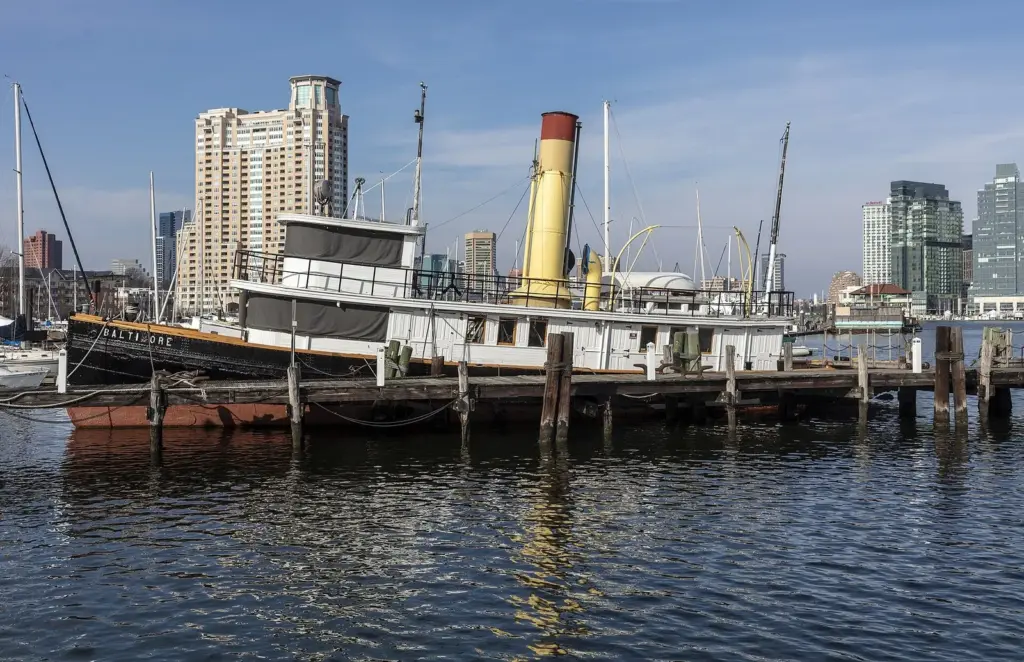
The easiest city day trip. Baltimore is under an hour by train and makes a completely different day from DC: a working harbor, rowhouse neighborhoods and a serious food scene. Walk the Inner Harbor, then take a water taxi or walk to Fells Point, with its cobbled streets and pubs. Fort McHenry, where the flag flew over the 1814 bombardment that inspired the national anthem, is a short ride from the harbor. The National Aquarium, the closest aquarium to DC, is the big family draw, and the Walters Art Museum is free.
Plan it: Amtrak or MARC’s Penn Line from Union Station to Baltimore Penn Station, about 40 minutes to an hour; MARC is cheaper and runs on weekends. The National Aquarium listed general admission at $49.95 in 2026, with timed entry. Best season: spring to fall. Best for: families, foodies, history buffs.
2. Philadelphia
The big-history day. Philadelphia is under two hours by Amtrak, and its historic core is a short bus, subway or taxi ride from 30th Street Station. See the Liberty Bell, free to view, and Independence Hall, where the Declaration of Independence and the Constitution were signed; check the park’s website for Independence Hall’s ticket rules before you go. Eat at Reading Terminal Market, and if you have the energy, run up the art museum’s steps.
Plan it: Amtrak from Union Station to 30th Street Station, about 1 hour 40 minutes to 2 hours; book early, as fares climb close to the date. Driving takes 2.5 to 3 hours and parking downtown is expensive, so the train wins. Best season: spring and fall. Best for: history buffs, food lovers.
3. Richmond
A long day, but a rewarding one. Virginia’s capital has a first-rate free art museum, the Virginia Museum of Fine Arts, a state capitol designed by Thomas Jefferson, a riverfront canal walk and a strong restaurant scene. It’s also one of the best places to grapple with the Civil War’s history, since it was the capital of the Confederacy.
Plan it: Amtrak takes about 2 hours 15 minutes; driving about 2 hours, but I-95 south of DC is notorious for traffic. The Virginia Museum of Fine Arts has free general admission. Best season: spring and fall. Best for: art lovers, history buffs, food lovers.
4. Fredericksburg
A small city with big history. Fredericksburg has a walkable historic downtown of antique shops and cafes, and it sits at the center of four major Civil War battlefields. Across the river is Ferry Farm, George Washington’s boyhood home. It’s an easy, low-key day by train.
Plan it: Amtrak, or VRE commuter trains on weekdays, about 1 hour 15 minutes; the station is a short walk from downtown. By car, about an hour, if I-95 cooperates. Best season: spring and fall. Best for: history buffs, couples, antique hunters.
5. Frederick, Maryland
A lively small city. Frederick’s historic downtown has good restaurants, breweries and independent shops, and Carroll Creek Linear Park, a landscaped creekside walk, runs right through it. The National Museum of Civil War Medicine is a fascinating, unusual museum, and the Catoctin Mountains and orchards are close.
Plan it: about an hour by car; MARC’s Brunswick Line serves Frederick on weekdays only. Best season: fall for the orchards and foliage nearby. Best for: food lovers, couples, a relaxed day.
History and battlefields
6. Harpers Ferry
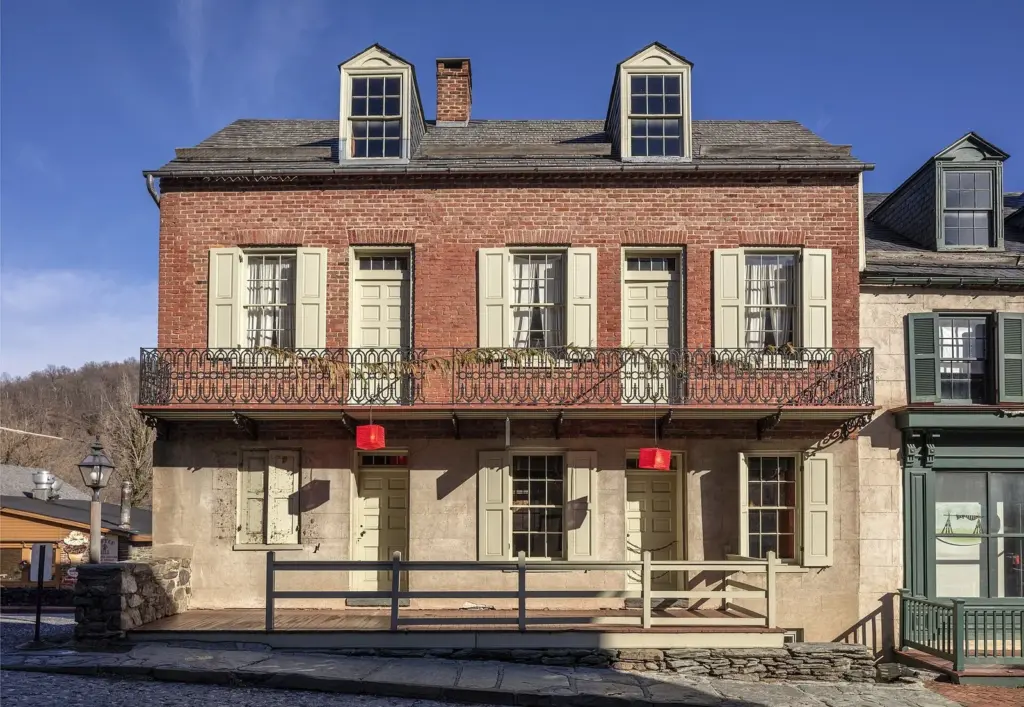
The best all-round day trip from DC. A preserved 19th-century town at the point where the Potomac and Shenandoah rivers meet, where John Brown’s 1859 raid on the federal armory helped push the country toward civil war. The lower town is run by the National Park Service, with museums in the old buildings, and the hikes are superb: Jefferson Rock, the Appalachian Trail through town, and the steep climb to Maryland Heights for the classic view down on the rivers.
Plan it: about 1 hour 15 minutes by car; there’s a National Park Service entrance fee, and parking is at the visitor center with a shuttle down to the lower town. By train, MARC’s Brunswick Line stops in Harpers Ferry on weekdays only, about 1.5 hours from Union Station. Best season: fall for the foliage, spring for the rivers. Best for: hikers, history buffs, families.
7. Gettysburg
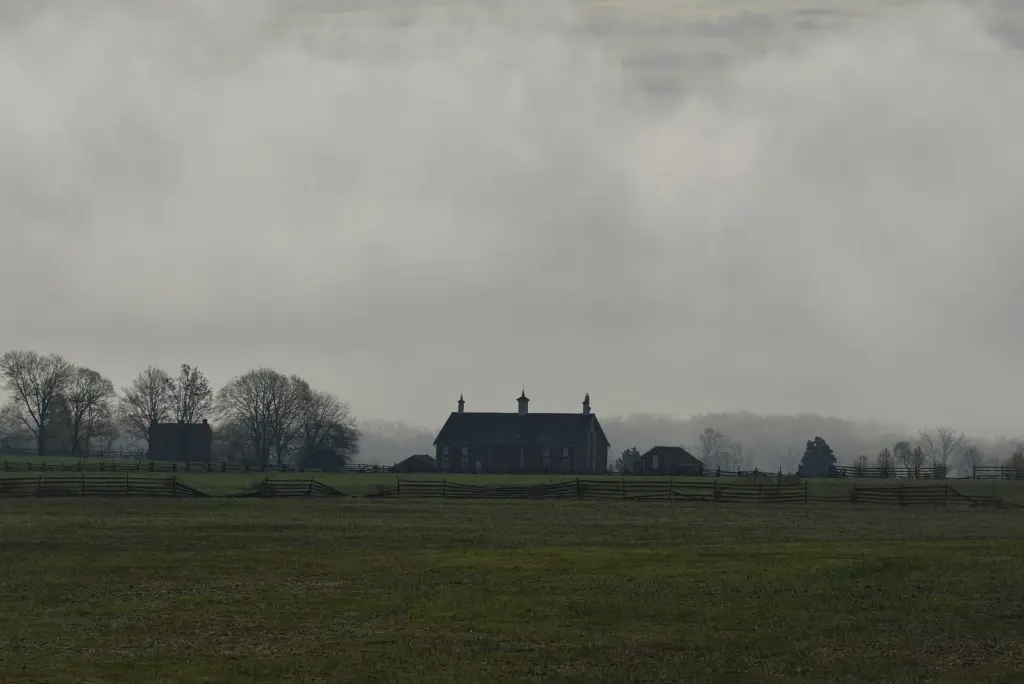
The essential Civil War day trip. The three-day battle in July 1863 was the turning point of the war, and the battlefield is huge, well preserved and deeply moving. Start at the Museum and Visitor Center, whose ticket covers a film, the 360-degree Gettysburg Cyclorama painting of Pickett’s Charge and an excellent museum. Then drive the auto tour or hire one of the licensed battlefield guides, who ride in your car and make the fields come alive. Finish at the Soldiers’ National Cemetery, where Lincoln gave the Gettysburg Address.
Plan it: about 1 hour 30 minutes by car. The battlefield is free. The Film, Cyclorama and Museum ticket was $20.75 for adults, $15.75 for ages 6 to 12, and free for active military in 2026, with timed show times (per the Gettysburg Foundation). Best season: spring and fall. Best for: history buffs, families with older kids.
8. Antietam
The most affecting battlefield near DC. The Battle of Antietam, on September 17, 1862, was the bloodiest single day in American history, and the quiet farm fields near Sharpsburg, Maryland, feel almost unchanged. Walk the Sunken Road and Burnside Bridge. Antietam is smaller and less visited than Gettysburg, which makes it more intimate, and it pairs well with Harpers Ferry, about 20 minutes away.
Plan it: about 1 hour 30 minutes by car; there’s a National Park Service entrance fee, so check the park’s site. Best season: September, around the anniversary, and fall. Best for: history buffs, a combined day with Harpers Ferry.
9. Manassas National Battlefield Park
The closest battlefield. Two major battles were fought here, in 1861 and 1862, and the first, known in the North as Bull Run, shattered the idea that the war would be short. The rolling Virginia fields, the visitor center and the walking trails make an easy half day.
Plan it: about 45 minutes by car, longer at rush hour on I-66. Check the park’s fee page before you go. Best season: spring and fall. Best for: history buffs with limited time.
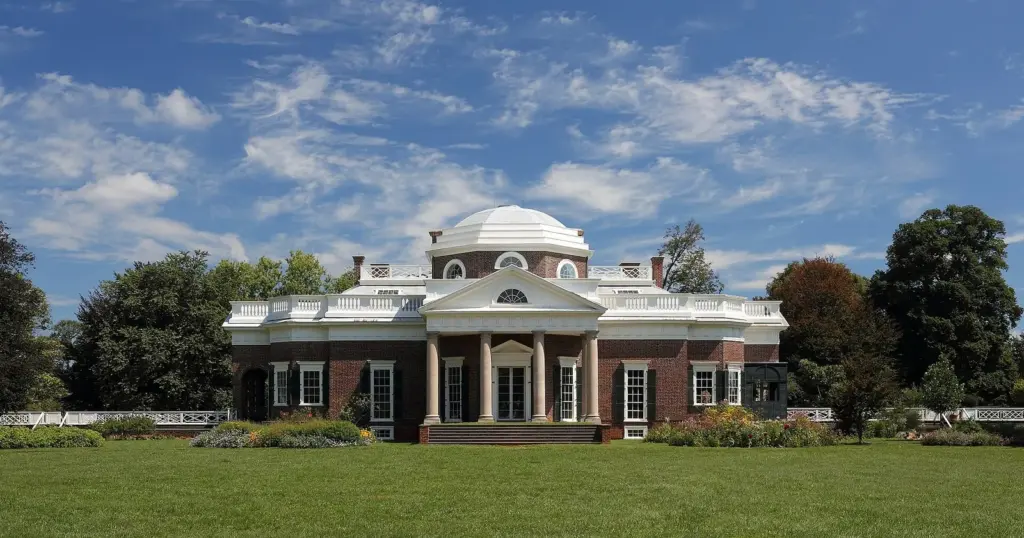
10. Monticello and Charlottesville
Jefferson’s mountaintop. Thomas Jefferson designed Monticello and spent his life reworking it, and the house, gardens and plantation tell the story of both his ideas and the enslaved people who made the estate run. The main house tour lasts about 45 minutes. Pair it with Jefferson’s other great design, the University of Virginia’s Academical Village, and Charlottesville’s pedestrian downtown and the wineries around it.
Plan it: about 2 hours 15 minutes by car, or Amtrak to Charlottesville. Monticello is open 8:30am to 5pm, with the last tour 50 minutes before closing, and house tour tickets vary by date; one 2026 example priced the tour at about $42 for adults. Book a timed tour ahead on monticello.org. Best season: spring and fall. Best for: history buffs, couples, wine lovers.
11. Colonial Williamsburg
Better as a weekend. The restored colonial capital of Virginia, with costumed interpreters, working trades and historic buildings, is one of the country’s great living-history sites, and Jamestown and Yorktown are nearby. But at close to three hours each way, it’s a very long day trip. Stay a night if you can.
Plan it: about 2 hours 45 minutes to 3 hours by car, with I-95 traffic the wild card. A ticket is needed to enter the historic buildings; check current prices on Colonial Williamsburg’s site. Best season: spring, fall and December. Best for: families, history buffs, a weekend.
Mountains, caves and waterfalls
12. Shenandoah National Park and Skyline Drive
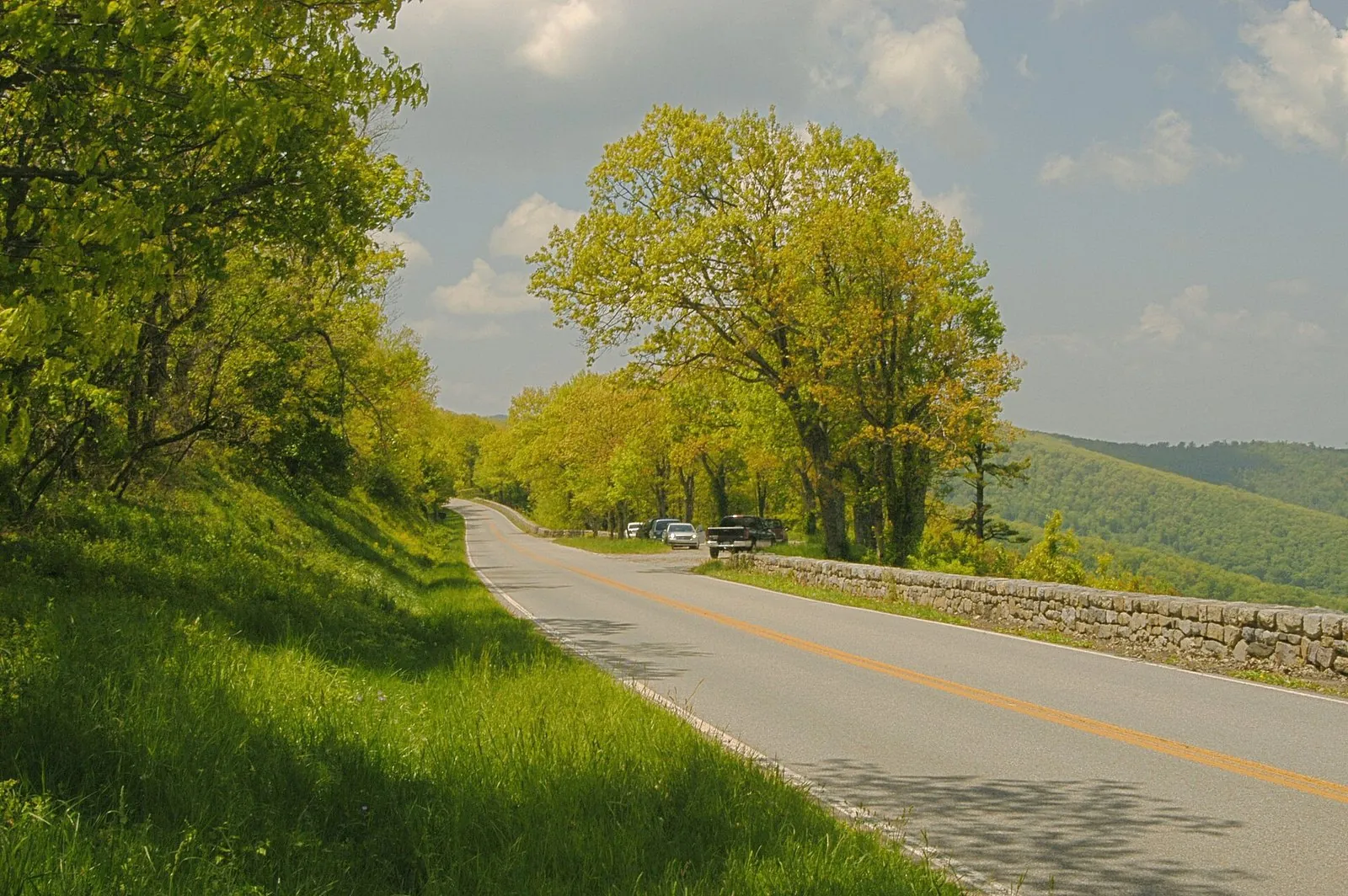
The best nature day trip from DC. Skyline Drive runs 105 miles along the crest of the Blue Ridge Mountains, with dozens of overlooks across the Shenandoah Valley and hundreds of miles of hiking trails. You don’t need to drive it all: from the Front Royal entrance, the northern section has fine overlooks and short hikes, such as the walks to waterfalls and rocky viewpoints. The speed limit is 35 mph, so plan on slow going.
Plan it: about 1 hour 15 minutes to the Front Royal entrance. Entrance is $30 per private vehicle, valid for seven days, $25 per motorcycle or $15 per person on foot or bike, and a Shenandoah annual pass is $55 (as of September 2026, per the National Park Service). The park is adding automated entry stations at all four entrances from fall 2026. Best season: mid to late October for the leaves, and May for spring green. Best for: hikers, photographers, drivers.
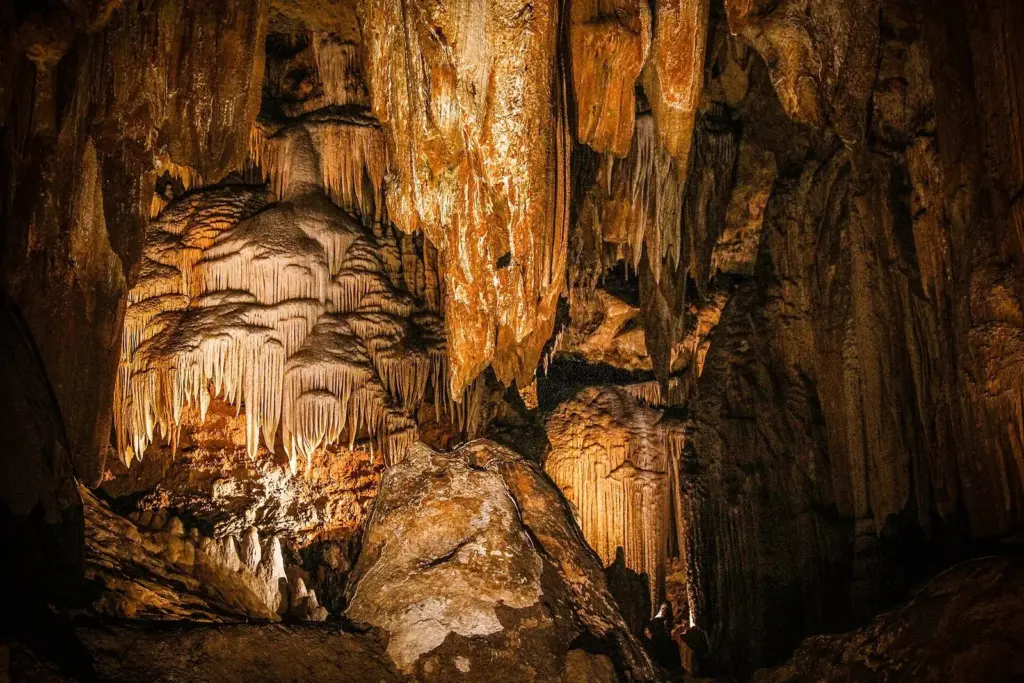
13. Luray Caverns
A good rainy-day trip. The largest caverns in the eastern United States are a showpiece of stalactites, stalagmites and still pools, and the Great Stalacpipe Organ taps the formations to make music. The ticket also covers a car and carriage museum, a heritage village and a toy train exhibit on site. Pair it with Skyline Drive’s Thornton Gap entrance nearby.
Plan it: about 2 hours by car. General admission was $36 for adults, $34 for seniors, $18 for ages 6 to 12 and free under 6; the caverns open daily from 9am, closing between 4pm and 7pm depending on the season (per luraycaverns.com in September 2026). Best season: any, and especially hot or wet days. Best for: families, rainy days.
14. Catoctin Mountain Park and Cunningham Falls
An easy mountain day. In the mountains north of Frederick, Catoctin Mountain Park and neighboring Cunningham Falls State Park offer wooded trails, rocky overlooks and a cascading waterfall with a short, accessible boardwalk path. The presidential retreat at Camp David is hidden somewhere in these hills, closed to the public. It’s a cooler, quieter alternative to Shenandoah, and closer.
Plan it: about 1 hour 15 minutes by car; pair it with lunch in Frederick. Best season: fall for the leaves, summer for the lake at Cunningham Falls. Best for: families, easy hikers.
Closer in, Great Falls Park, on the Potomac about 30 minutes from DC, has the region’s most dramatic river scenery and makes a fine half day on its own, and our guide to Old Town Alexandria and Mount Vernon covers the closest escape of all, a Metro ride from downtown.
Small towns and waterfronts
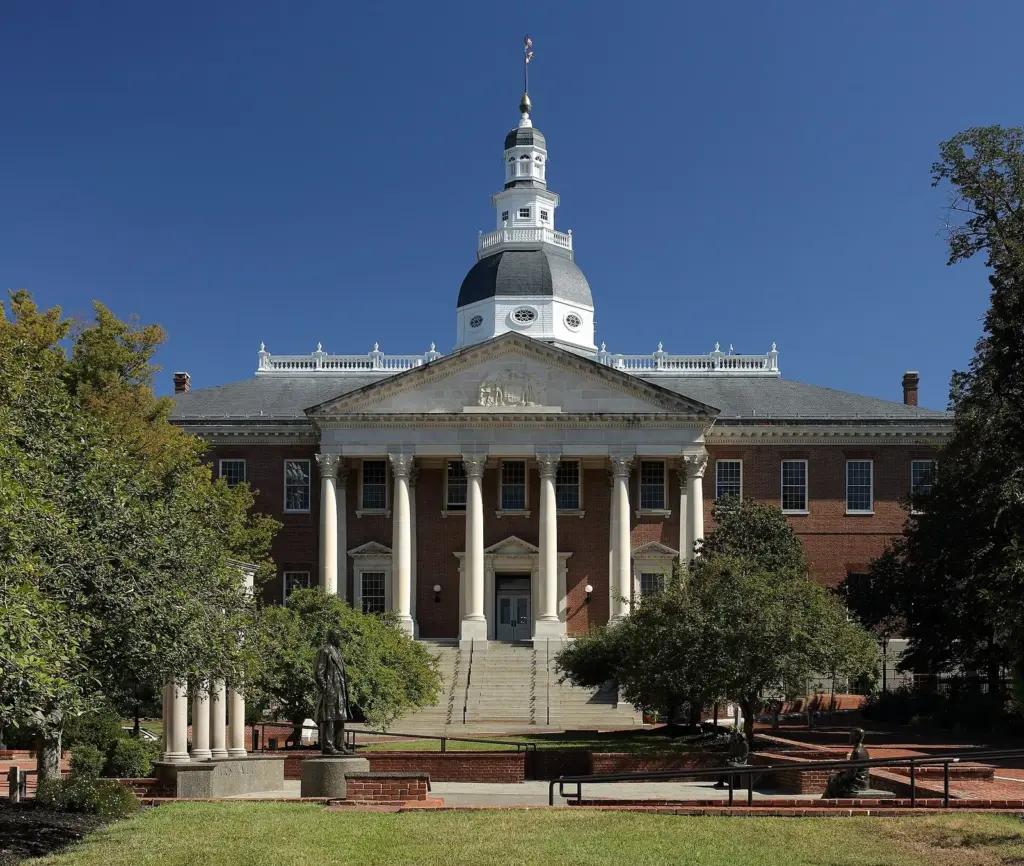
15. Annapolis
The best small-town day trip. Maryland’s capital is a sailing town of brick streets, a lively City Dock and the U.S. Naval Academy. The Maryland State House is the oldest state capitol still in legislative use, and it’s where George Washington resigned his commission as commander of the Continental Army in 1783. Walk the Naval Academy’s grounds, eat crabs by the water, and take a sailing cruise if the wind’s up.
Plan it: 45 minutes to 1 hour by car; there’s no train. Bring government photo ID if you plan to enter the Naval Academy. Best season: spring to fall, especially for sailing. Best for: couples, families, anyone who likes boats.
16. St. Michaels
The Chesapeake day. Across the Bay Bridge on Maryland’s Eastern Shore, St. Michaels is a small harbor town with a fine maritime museum, the Chesapeake Bay Maritime Museum, crab houses and waterfront inns. It’s the place to eat steamed crabs with a mallet on a summer afternoon.
Plan it: about 1 hour 45 minutes by car; the Bay Bridge backs up badly on summer weekends, so go midweek or leave early. Best season: May to October. Best for: couples, seafood lovers.
17. Leesburg and Middleburg
Virginia hunt country. Leesburg has a historic downtown, Morven Park’s mansion and gardens, and big outlet shopping, while tiny Middleburg, about 25 minutes away, is horse country, with stone walls, tack shops, cafes and wineries all around. Put them together for a relaxed countryside day.
Plan it: about an hour by car to either. Best season: spring and fall. Best for: couples, shoppers, wine lovers.
18. Ellicott City
A mill town on a steep hill. This 18th-century mill town, between DC and Baltimore, has a steep main street of antique shops, cafes and old stone buildings, and the B&O Railroad Station Museum, in the oldest surviving railroad station in the country. The town has rebuilt after destructive floods in 2016 and 2018.
Plan it: about 50 minutes by car. Best season: spring and fall. Best for: browsers, a half day.
19. National Harbor
The easy half day. A planned waterfront development on the Maryland shore of the Potomac, with the Capital Wheel, a giant Ferris wheel, a riverside promenade, restaurants, outlet shopping and the MGM casino resort. It’s not historic, but it’s easy, and arriving by water taxi makes it an outing.
Plan it: 20 to 30 minutes by car, or the Potomac Water Taxi from the Wharf in about 45 minutes, about $22 one way, from March to December (as of September 2026). Best season: spring to fall. Best for: families, a relaxed afternoon.
Water and beaches
20. Calvert County’s bay beaches and Calvert Cliffs
The nearest beach day. The Chesapeake Bay beaches of North Beach and Chesapeake Beach, about an hour away, have a boardwalk, calm water and a small-town feel. Farther south, Calvert Cliffs State Park is famous for fossil hunting: prehistoric shark teeth wash up on the beach below the cliffs.
Plan it: about 1 hour to North Beach, 1 hour 15 minutes to Calvert Cliffs. Bay water is calm but not the ocean. Best season: June to September; fossil hunting any time. Best for: families, beach lovers without the time for the ocean.
21. Rehoboth Beach
Better as a weekend. Delaware’s favorite beach town has a boardwalk, a broad Atlantic beach, good restaurants and no sales tax on shopping. It’s the classic DC beach escape, but at two and a half to three hours each way, and more with Bay Bridge traffic, it’s a long day. An overnight is much better.
Plan it: 2.5 to 3 hours by car; leave by 7am on summer weekends. Best season: June to September, or the quieter shoulder months. Best for: beach lovers, a weekend.
Wine, farms and chocolate
22. Loudoun County wine country
The wine day. Loudoun County, about an hour west, has dozens of wineries set among rolling hills, many with terraces, views and food, and a growing number of breweries and cideries. Book a tour or a designated driver, since the wineries are spread out along country roads.
Plan it: about an hour by car; tastings are paid, and many wineries ask you to reserve on weekends. Best season: September and October, with harvest and foliage. Best for: couples, groups of friends.
23. Lancaster County
Farm country. Pennsylvania’s Amish farmland, with horse-drawn buggies, farm stands and quilt shops, is a world away from DC. Lancaster’s Central Market is one of the oldest farmers’ markets in the country, and the Strasburg Rail Road runs steam trains through the fields.
Plan it: about 2 hours by car. Many Amish people prefer not to be photographed, so ask first or leave the camera down. Best season: spring to fall. Best for: families, food lovers, rail fans.
24. Hershey
The chocolate town. Hershey’s Chocolate World offers a free ride-through tour of how chocolate is made, with a free sample at the end, plus paid extras like making your own chocolate bar. Next door is Hersheypark, one of the region’s big amusement parks, which opened its 2026 season in April; our guide to things to do in DC with kids covers the region’s theme parks.
Plan it: about 2 hours by car. Best season: summer for the park, any time for Chocolate World. Best for: families, anyone with a sweet tooth.
25. Seasonal escapes: skiing, apples and pumpkins
Plan around the calendar. In winter, Liberty Mountain and Whitetail, just over the Pennsylvania line, are the closest ski areas, about 1.5 to 2 hours away, and fine for a day of skiing or snow tubing. In September and October, the orchards and farms of Loudoun, Frederick and Adams counties fill with apple pickers and pumpkin hunters, often with hayrides and corn mazes.
Plan it: check each resort’s or farm’s season and conditions before you drive; picking seasons move with the weather. Best season: January and February for skiing, late September to October for apples and pumpkins. Best for: families, locals-style weekends.
Two-stop days that work
Several of these destinations sit close enough together to combine in one day, which makes the drive more worthwhile.
- Harpers Ferry and Antietam: about 20 minutes apart. Do Antietam in the morning and Harpers Ferry’s lower town and hikes in the afternoon.
- Skyline Drive and Luray Caverns: enter Shenandoah at Front Royal, drive south along the ridge, and leave at Thornton Gap for Luray, then take US-211 and I-66 home.
- Frederick and Catoctin Mountain: a morning hike to Cunningham Falls and lunch and brewery-hopping in Frederick.
- Gettysburg and the orchards: in September and October, add an apple farm in Adams County on the way home.
- Leesburg, Middleburg and a winery: a relaxed loop through Virginia’s hunt country.
- Annapolis and Sandy Point: the town in the morning, then the bay beach at Sandy Point State Park, by the Bay Bridge, in summer.
Resist the urge to add a third stop. The drives between them eat time, and the best day trips leave room to linger.
Getting out of DC by car: the main routes
Knowing which highway you’ll use tells you when to leave, because each has its own traffic pattern.
- West on I-66 for Shenandoah, Luray, Manassas and Middleburg. Inside the Beltway, solo drivers pay tolls in the rush-hour direction, and weekend traffic toward the mountains builds on fall Saturdays.
- Northwest on I-270 for Frederick, Catoctin, Harpers Ferry (via US-340) and Gettysburg (via US-15). Weekday rush hours are heavy near the city.
- East on US-50 for Annapolis, and across the Chesapeake Bay Bridge for St. Michaels and the ocean beaches. The Bay Bridge is the region’s worst bottleneck on summer weekends, and it charges a toll eastbound.
- South on I-95 for Fredericksburg, Richmond and Williamsburg. Among the most congested highways in the country, especially Friday afternoons; the express lanes help, for a toll.
- North on I-95 or the Baltimore-Washington Parkway for Baltimore and Ellicott City.
- South on the George Washington Memorial Parkway for Old Town Alexandria and Mount Vernon, a scenic drive along the river.
The best day trips from DC by season
| Season | Best trips | Why |
|---|---|---|
| Spring (March to May) | Monticello, Annapolis, Harpers Ferry, Gettysburg | Gardens in bloom, mild walking weather |
| Summer (June to August) | Bay beaches, St. Michaels, Luray Caverns, Baltimore | Water, shade and cool caves |
| Fall (September to November) | Skyline Drive, Loudoun wine country, orchards, Antietam | Foliage, harvest, anniversaries |
| Winter (December to February) | Philadelphia, Baltimore, Colonial Williamsburg, ski areas | Indoor museums, holiday events, snow |
Fall is the best season for day trips from DC. Skyline Drive’s foliage usually peaks from mid to late October, and weekend traffic there can back up at the entrances, so go on a weekday if you can. In summer, the heat makes the battlefields hard going at midday; start early.
Planning tips for day trips from DC
Beat the traffic. DC’s rush hours are among the worst in the country. Leave before 7am or after 9:30am on weekdays, and come back before 3pm or after 7pm. On Friday afternoons and summer weekends, I-95 south and the Bay Bridge are at their worst.
Rent a car for one day, not the whole trip. You don’t need a car in DC itself, and hotel parking is expensive. Rent one for the day of your trip, ideally from a location near a Metro station outside downtown; our guide to getting around DC covers the Metro, trains and parking.
Check train schedules carefully. MARC’s Penn Line to Baltimore runs on weekends, but its Brunswick Line to Harpers Ferry and Frederick and its Camden Line run on weekdays only. MARC’s Brunswick Line timetable changes on September 28, 2026 and the Penn Line’s on October 12, 2026, so check current times.
Watch the park fees and passes. National Park Service sites like Shenandoah, Harpers Ferry and Antietam charge entrance fees, but Gettysburg’s battlefield is free. If you’ll visit several parks in a year, an America the Beautiful annual pass may pay for itself.
Mind the shutdown calendar. Federal funding runs through December 11, 2026. A government shutdown can close or limit services at the national parks and battlefields, so check before you go if a funding deadline is near.
With kids, keep drives under two hours and build the day around one big stop: the caverns, a beach, a chocolate factory or a harbor. Our guide to DC with kids has more family ideas close to the city.
When a day trip should be a weekend
Some of these trips are better with a night away. Colonial Williamsburg, Rehoboth Beach, Charlottesville with Monticello and the wineries, and Skyline Drive with a longer hike all reward an overnight stay, because the drive eats too much of a single day. As a rule, if the drive is more than two hours each way, consider staying a night. For couples, St. Michaels and Middleburg are classic romantic escapes; for families, Hershey with Lancaster County makes an easy two-day loop.
Day trips with a dog
Shenandoah National Park is one of the most dog-friendly national parks in the country, with leashed dogs allowed on most of its trails and at its overlooks, which makes Skyline Drive the obvious first choice. The C&O Canal towpath, Great Falls on the Maryland side and many Loudoun wineries with outdoor terraces also welcome well-behaved leashed dogs. Rules vary more than you’d expect, though: some trails, historic buildings and beaches ban dogs, and many beach towns restrict them in summer. Check each park’s or town’s pet rules before you load up the car, and bring water, since shade and streams can be scarce on the ridge.
Weekend trips by train
If you want a weekend away without a car, the train opens up more than day trips do. Philadelphia and Richmond make relaxed overnight trips, Charlottesville works by Amtrak with a taxi to Monticello, and New York is about three hours away on Amtrak’s trains, including the new NextGen Acela, which has run on the Washington-New York-Boston corridor since August 2025. One-way Acela fares ranged from roughly $100 to $500 by date in 2026, and the slower Northeast Regional trains are usually cheaper. Book as early as you can, because fares climb as the date approaches.
What to pack for a day out
- Layers: the Blue Ridge is often much cooler and windier than DC, even in summer.
- Water and snacks: food options on Skyline Drive and at the battlefields are limited and spread out.
- Your park pass or a card: national park entrances are moving to automated card payment, and some farm stands and small shops still prefer cash.
- An offline map: phone signal can be patchy in the mountains and on back roads, so download maps before you go.
- Good shoes: battlefields and river towns involve more walking than you expect, often on uneven ground.
- Photo ID: needed for the Naval Academy in Annapolis and some other federal sites.
What to skip
Skip Six Flags America. The Maryland park closed after its final day on November 2, 2025, and older lists still recommend it.
Skip day-tripping to the ocean on a summer Saturday. Bay Bridge traffic can turn a 2.5-hour drive into four. Go midweek, or stay the night.
Skip trying to see Gettysburg in two hours. The battlefield is huge. Give it at least half a day, and hire a guide if history is the point.
Skip Harpers Ferry by train on a weekend. The MARC trains don’t run then, so drive or go on a weekday.
Skip Skyline Drive in fog. On cloudy days the overlooks show nothing but white. Check the forecast for the mountains, not for DC.
Day Trips from DC FAQ
What is the best day trip from DC?
For most visitors, Harpers Ferry: a preserved river town with Civil War history, great hikes and National Park Service museums, about 1 hour 15 minutes away. For nature, Shenandoah National Park’s Skyline Drive; for a city, Baltimore by train in under an hour; for history, Gettysburg.
What day trips can you do from DC without a car?
Baltimore and Philadelphia are easy by train from Union Station, and Richmond and Fredericksburg work by Amtrak too. Harpers Ferry and Frederick are reachable on MARC’s Brunswick Line on weekdays only. Closer in, Old Town Alexandria is 20 minutes by Metro, and National Harbor is a water taxi ride from the Wharf.
How far is Shenandoah National Park from DC?
The Front Royal entrance at the north end of Skyline Drive is about 70 miles from DC, roughly 1 hour 15 minutes by car without heavy traffic. Entrance was $30 per private vehicle for seven days in September 2026. The drive itself is 105 miles long, with a 35 mph speed limit.
Can you take the train to Harpers Ferry from DC?
Yes, on weekdays. MARC’s Brunswick Line runs from Union Station to Harpers Ferry in about an hour and a half, but it doesn’t run on weekends. Amtrak also stops at Harpers Ferry, but with only one train a day in each direction, it doesn’t work for a day trip.
Is Baltimore worth a day trip from DC?
Yes. It’s under an hour by Amtrak or MARC, and it offers a very different day: the Inner Harbor, Fort McHenry, Fells Point’s cobbled streets, the free Walters Art Museum and the National Aquarium, the closest aquarium to DC. MARC’s Penn Line runs on weekends too.
Can you do a day trip from DC to Philadelphia?
Yes. Amtrak takes about 1 hour 40 minutes to 2 hours from Union Station to 30th Street Station, which makes a full day easy. See the Liberty Bell and Independence Hall, eat at Reading Terminal Market, and head back in the evening. Book early, since fares rise closer to the date.
What are the best weekend trips from DC?
Charlottesville with Monticello and the wineries, Colonial Williamsburg with Jamestown and Yorktown, Rehoboth Beach, Shenandoah with a night in the mountains, and Hershey with Lancaster County. As a rule, any trip that’s more than two hours each way is better with an overnight stay.
What is a good day trip from DC with kids?
Luray Caverns, Baltimore’s National Aquarium, Hershey’s Chocolate World, the Chesapeake bay beaches and Calvert Cliffs for fossil hunting are all strong choices. Keep the drive under two hours, build the day around one big stop, and pack for the car. Harpers Ferry works well for older kids who like to hike.
Related Washington DC Guides
- Old Town Alexandria and Mount Vernon: the closest escape, 20 minutes by Metro.
- Things to Do in DC with Kids: family days out in and around the city.
- Getting Around Washington DC: the Metro, buses and trains, explained.
Sources and How We Checked
We checked prices, hours and train details on this page on September 24, 2026 against the official websites below, and compiled the page from them. Drive and train times are typical and vary with traffic and schedules. We don’t claim first-hand visits.
- National Park Service: Shenandoah fees and passes
- Luray Caverns: Plan your visit
- Gettysburg Foundation: Film, Cyclorama and Museum
- Monticello: Tickets and tours
- Maryland Transit Administration: MARC train
- Amtrak
We also checked the National Park Service pages for Harpers Ferry, Antietam, Manassas and Gettysburg, the National Aquarium, Hersheypark, the Potomac Water Taxi and reporting on Six Flags America’s closure.
Washington DC Tourism Guide is an independent publication. We are not affiliated with Destination DC, the National Park Service or any attraction listed here, and no one paid to be included.
Photo Credits
- Skyline Drive, Shenandoah National Park: photo by Image copyright 2005 by user G. Edward Johnson (user Lorax) and released under the terms of the GFDL, via Wikimedia Commons (CC BY-SA 3.0)
- Baltimore's Inner Harbor: photo by Acroterion, via Wikimedia Commons (CC BY-SA 4.0)
- High Street, Harpers Ferry: photo by Acroterion, via Wikimedia Commons (CC BY-SA 4.0)
- Gettysburg battlefield: photo by Bubba73, via Wikimedia Commons (CC BY-SA 3.0)
- Monticello: photo by Martin Falbisoner, via Wikimedia Commons (CC BY-SA 3.0)
- Luray Caverns: photo by LadyDragonflyCC – >;<, via Wikimedia Commons (CC BY 2.0)
- Maryland State House, Annapolis: photo by Martin Falbisoner, via Wikimedia Commons (CC BY-SA 3.0)