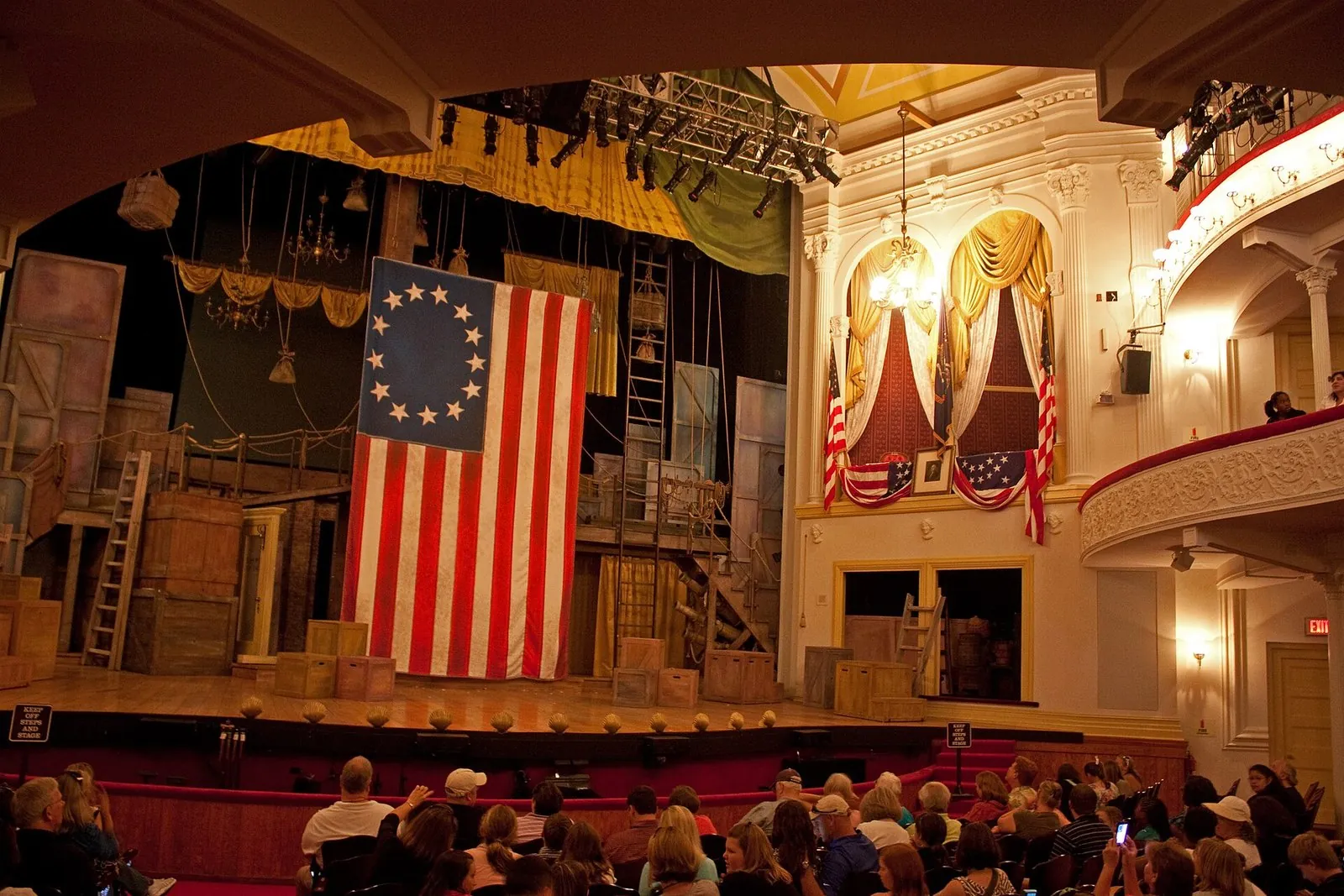
Washington goes to the theater more than its reputation suggests. On any weekend there are Broadway tours downtown, Shakespeare in Penn Quarter, new plays on the Southwest waterfront and a sold-out band at the 9:30 Club. This guide to theaters in Washington DC is built for visitors: which stages are worth your one free evening, how to get tickets without paying resale markups, and what changed when the Kennedy Center closed its main building in September 2026.
Quick answer: For a big Broadway musical, go to the National Theatre on Pennsylvania Avenue. For the best productions in town, look at Arena Stage, Shakespeare Theatre Company, Studio Theatre and Woolly Mammoth. The Kennedy Center’s main building is closed, and the National Symphony Orchestra is playing its 2026-27 season at six other halls. For concerts, the 9:30 Club and The Anthem are the two names to know.
Last updated September 24, 2026. Seasons, venues and ticket deals were checked that day against the companies’ and venues’ own websites and published season announcements. Shows sell out and dates move, so confirm yours at the box office before you plan around it.
- Kennedy Center: main building closed since the board’s September 15, 2026 vote, and its future is in court. Check before buying anything there.
- Broadway tours: the National Theatre’s 2026-27 season includes Hell’s Kitchen, Maybe Happy Ending, Operation Mincemeat and the return of Hamilton.
- Cheapest good seats: Shakespeare Theatre Company sells $39 seats to anyone 35 and under, and Woolly Mammoth starts at $25 for 30 and under (September 2026).
- Getting there: most stages sit near a Metro station, and the trains run until midnight Sunday to Thursday and 2am on Friday and Saturday.
On this page: At a glance | Kennedy Center | Best theaters | Concert venues | Classical music | Jazz and comedy | What’s on | Tickets | Where to eat | What’s changed | FAQ
Theaters in Washington DC at a glance
The stages visitors actually use, what each one does best and how to reach it. Walking times are from the nearest Metro exit.
| Venue | What you’ll see | Neighborhood | Nearest Metro |
|---|---|---|---|
| National Theatre | Touring Broadway musicals | Downtown, Pennsylvania Ave | Metro Center or Federal Triangle, about 5 min |
| Arena Stage | American plays and musicals, new and revived | Southwest Waterfront | Waterfront (Green), about 5 min |
| Shakespeare Theatre Company | Shakespeare, classics, star casting | Penn Quarter | Gallery Place or Archives, 2-5 min |
| Ford’s Theatre | Plays and musicals in Lincoln’s theater | Downtown | Metro Center or Gallery Place, about 5 min |
| Studio Theatre | Contemporary plays | Logan Circle, 14th Street | Dupont Circle or U Street, 12-15 min |
| Woolly Mammoth | New, risk-taking plays | Penn Quarter | Archives or Gallery Place, 2-5 min |
| Folger Theatre | Shakespeare in an Elizabethan-style house | Capitol Hill | Capitol South, about 5 min |
| Signature Theatre | Musicals, especially Sondheim | Shirlington, Arlington | None close: take a taxi |
| Warner Theatre | Concerts and comedy tours | Downtown | Metro Center or Federal Triangle, about 5 min |
| The Anthem | Big-name concerts | The Wharf | Waterfront (Green), about 10 min |
| 9:30 Club and The Atlantis | Club shows, standing room | Shaw, near U Street | Shaw-Howard U or U Street (Green), 5 min |
| Lincoln Theatre | Seated concerts, some NSO nights | U Street | U Street (Green), across the street |
| Blues Alley | Jazz supper club | Georgetown | None: Foggy Bottom is 15-20 min on foot |
| DC Improv | Stand-up comedy | Downtown, Connecticut Ave | Farragut North (Red), 2 min |
| Kennedy Center | Main building closed since September 2026 | Foggy Bottom | Check before you go |
What’s happening at the Kennedy Center?
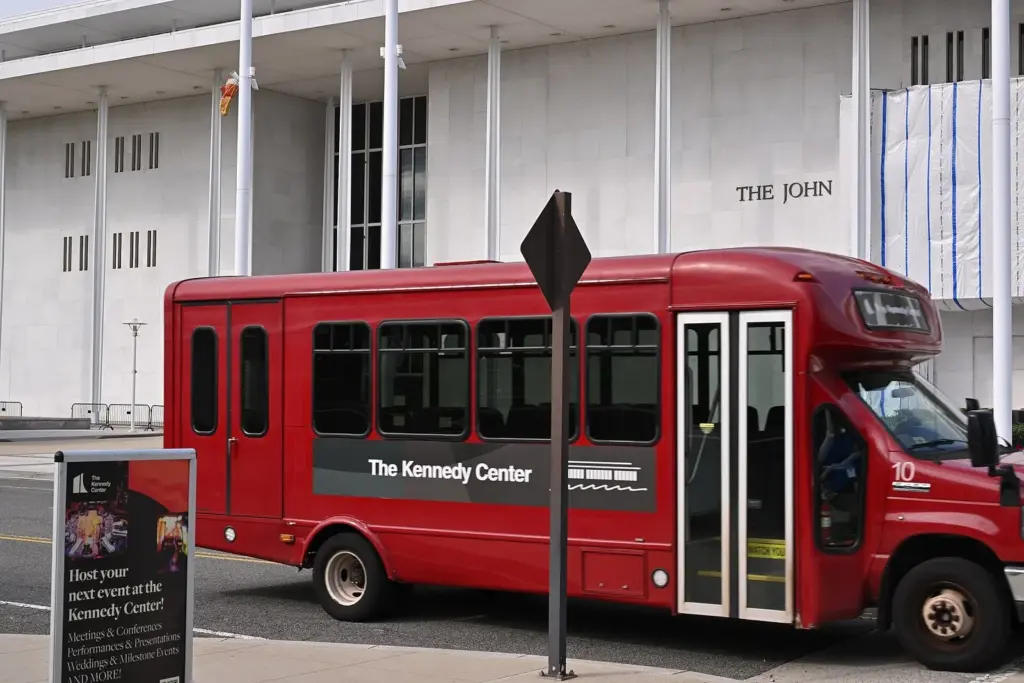
For 50-odd years, the answer to “where do I see a show in DC?” started with the Kennedy Center. Right now it doesn’t. On September 15, 2026, the center’s board voted to close the main building immediately, citing safety (part of the Grand Foyer ceiling had collapsed) and finances. The vote came minutes after a federal judge again blocked adding President Trump’s name to the building, and the center’s future, including a board plan for a two-year renovation, is being fought out in court. On September 17 the court required 30 days’ notice before any demolition or construction.
What that means for you:
- Don’t book anything at the Kennedy Center without checking the center’s own site the week you travel. The free daily Millennium Stage shows and building tours that older guides recommend depended on the main building being open.
- The National Symphony Orchestra is still playing. It still rehearses at the Kennedy Center, but its 2026-27 season runs at six other halls around the region, from Lisner Auditorium in Foggy Bottom to Strathmore in Maryland. Details are in the classical section below.
- Washington National Opera has left. It announced in January 2026 that it was ending its affiliation with the Kennedy Center and moved its spring 2026 productions to Lisner Auditorium. Check the opera’s site for this season’s venues.
- Already holding Kennedy Center tickets? Contact the box office, or whoever sold them to you, about a refund or exchange. When Washington National Opera moved its spring 2026 shows, it refunded Kennedy Center ticket holders, but check your own event rather than assuming.
- Touring Broadway has other homes. The National Theatre carries the big musicals, and the regional companies below produce work as good as anything that played the Kennedy Center’s stages.
You can still see the building from outside on a walk along the river. Just don’t cross town expecting to get in.
The best theaters in Washington DC for visitors
Ranked for someone with one or two evenings to spare. The order weighs how good the work usually is, how easy the venue is to reach, and how DC the experience feels.
1. The National Theatre
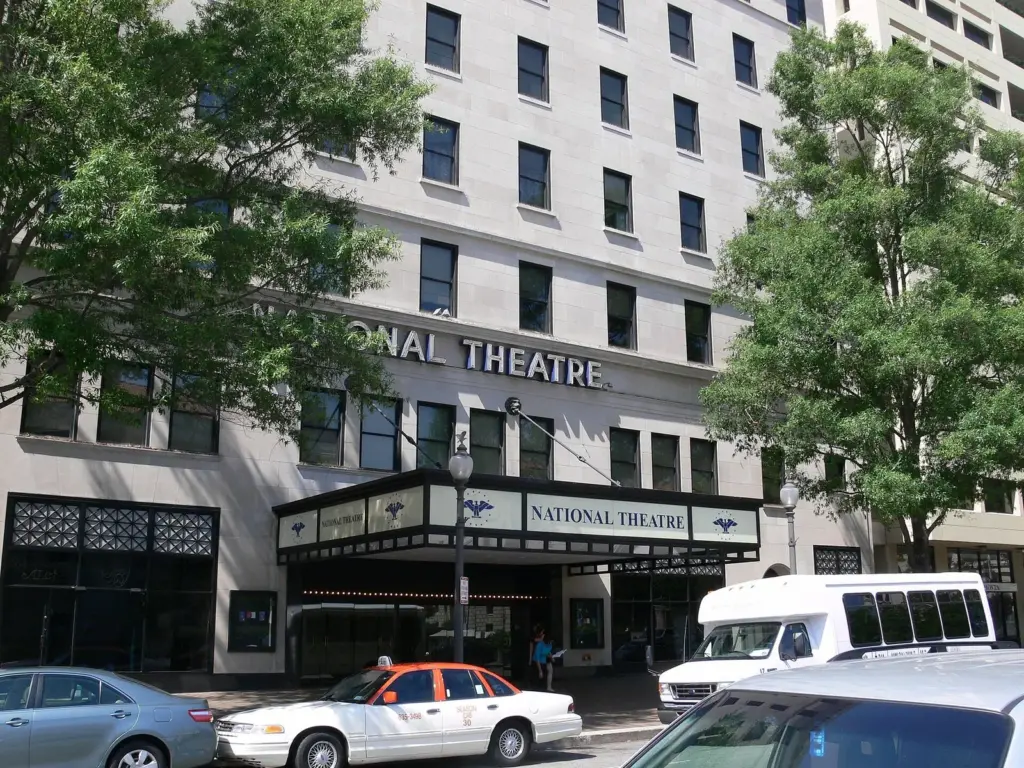
DC’s home for touring Broadway. The National has operated on Pennsylvania Avenue since 1835, in a series of buildings, and today it is where the big national tours land. The 2026-27 Broadway at the National season runs from fall 2026 into summer 2027 and includes Alicia Keys’ Hell’s Kitchen, Maybe Happy Ending, Just in Time, Operation Mincemeat and the return of Hamilton, with The Bodyguard, A Beautiful Noise, The Who’s Tommy and Jersey Boys also on the list. If you want a Broadway musical without going to New York, this is the building.
It’s a big, traditional house with an orchestra level and balconies, which means sightlines vary more than at the newer regional theaters. For a dance-heavy musical, the front of the mezzanine often beats the back of the orchestra.
Plan it: evening performances and weekend matinees; buy through Broadway at the National or the box office rather than a resale site. Metro: Metro Center (Red, Blue, Orange, Silver lines) or Federal Triangle (Blue, Orange, Silver lines), about a 5-minute walk. Allow three hours with the walk. Best for: first-timers, families with older kids, musical fans.
2. Arena Stage
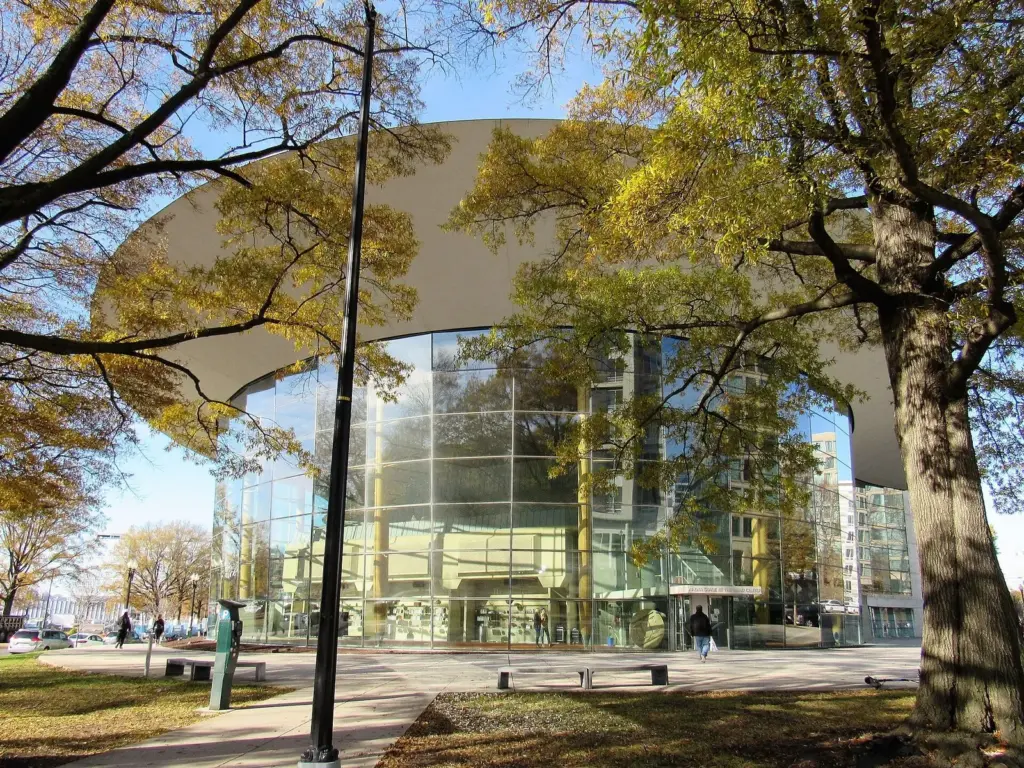
The best all-round bet, and a short walk from the Wharf. Founded in 1950, Arena Stage is one of the country’s pioneering regional theaters, and its Mead Center for American Theater on the Southwest waterfront holds three stages. The Fichandler is a theater in the round, so the actors play to all four sides. You’re close to the action wherever you sit, though you’ll see some scenes over an actor’s shoulder.
The 2026-27 season opened with The Fruits of Our Labor, a Step Afrika! world premiere (September 10 to November 1, 2026). Next up are Are You Now or Have You Ever Been?, directed by Anna D. Shapiro (Kreeger Theater, October 17 to December 6), Step Afrika!’s Magical Musical Holiday Step Show (December 4 to 23) and Branden Jacobs-Jenkins’s Purpose (February 5 to March 28, 2027). Three more spring and summer productions are still to be announced.
Plan it: evening performances and weekend matinees at 1101 6th Street SW; tickets from Arena Stage. Metro: Waterfront (Green line), about a 5-minute walk. Pair it with dinner on the Wharf. Allow three and a half hours with dinner. Best for: couples, theater lovers, anyone staying near the Wharf or Navy Yard.
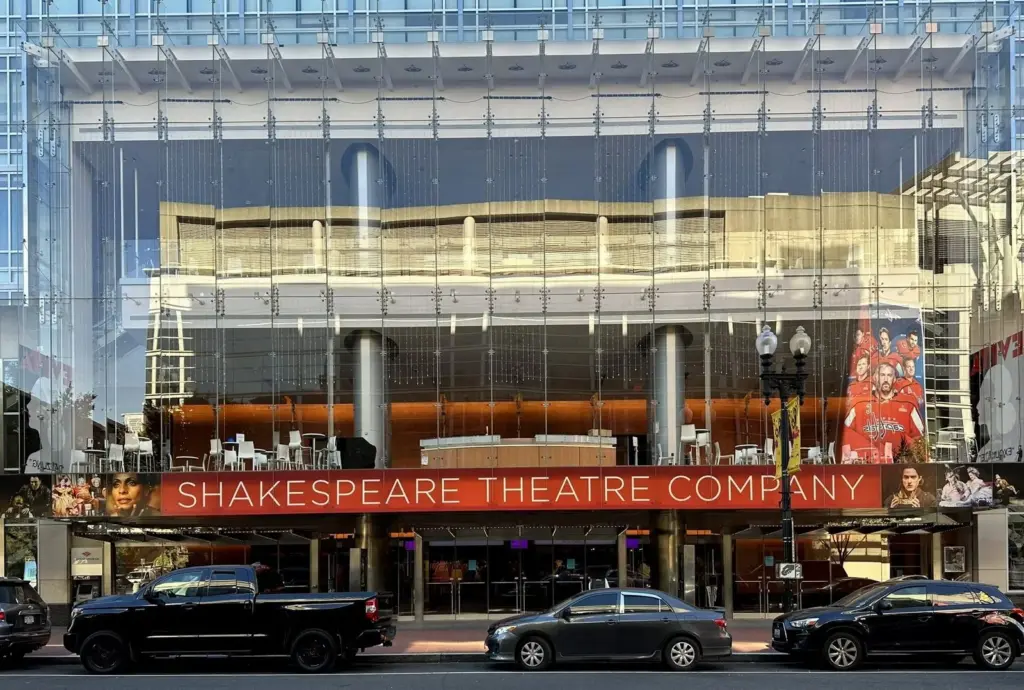
3. Shakespeare Theatre Company
Big classical productions, and seats for $39 if you’re 35 or under. Shakespeare Theatre Company plays two houses in Penn Quarter: Harman Hall on F Street and the smaller Klein Theatre on 7th Street. It’s Shakespeare-led but not Shakespeare-only, and it regularly casts big names. This season includes Brian Cox as Johann Sebastian Bach in the US premiere of The Score.
Dated highlights for 2026-27: A Midsummer Night’s Dream with puppets by Basil Twist (Harman Hall, December 4, 2026 to January 10, 2027), A Raisin in the Sun (Klein, January 23 to February 28), Romeo and Juliet (Klein, April 13 to May 16) and Sondheim’s Follies, co-produced with Signature Theatre (Harman Hall, May 18 to June 20, 2027).
Plan it: evening performances and weekend matinees; the “35 and Under” price was $39 a seat as of September 2026 (Shakespeare Theatre Company). Metro: Gallery Place (Red, Green, Yellow lines) or Archives (Green, Yellow lines), a 2 to 5-minute walk. Allow three hours. Best for: couples, literature lovers, younger travelers on a budget.
4. Ford’s Theatre
A working theater in the place where Lincoln was shot. Most visitors know Ford’s as a daytime historic stop, but it’s also a producing theater, and seeing a show under the presidential box is a strange, moving experience. The 2026-27 season brings back Come From Away, stages A Christmas Carol with Craig Wallace again as Scrooge (a DC holiday tradition), and adds The 25th Annual Putnam County Spelling Bee.
The daytime visit to the museum, theater and Petersen House across the street is separate from the evening shows and needs its own timed ticket, so book the two separately on Ford’s site.
Plan it: evening performances and matinees on the show calendar at Ford’s Theatre, 511 10th Street NW. Metro: Metro Center (Red, Blue, Orange, Silver lines) or Gallery Place (Red, Green, Yellow lines), about a 5-minute walk. The seats are historic and snug. Allow two and a half hours. Best for: history buffs, families at A Christmas Carol, first-timers.
5. Studio Theatre
Contemporary plays, done well, on 14th Street. Studio is where DC theatergoers go for recent plays from New York and London, staged in four intimate spaces. This fall it’s running Sanaz Toossi’s Wish You Were Here, which follows five friends from a 1978 wedding in Karaj, Iran, through a decade of revolution (Mead Theatre, through November 1, 2026). The neighborhood around it, Logan Circle, is one of the city’s best for dinner and a drink afterward.
Plan it: evening performances and weekend matinees at 1501 14th Street NW (Studio Theatre). Metro: Dupont Circle (Red line) or U Street (Green line), a 12 to 15-minute walk. Allow two and a half hours, plus dinner. Best for: couples, repeat visitors, anyone who likes new plays.
6. Woolly Mammoth Theatre Company
New, risk-taking work, and some of the best deals in town. Woolly has a reputation for plays you won’t see anywhere else, and its 2026-27 season doubles down: artistic director Reggie D. White’s first season is five world premieres by five playwrights new to Woolly. Its D Street theater is steeply raked, so the sightlines are good from almost every seat.
The pricing is visitor-friendly, too. As of September 2026, tickets start at $25 for anyone 30 and under, a Pick Your Price scheme opens cheaper seats, and the first two performances of each show are pay-what-you-will.
Plan it: evening performances and weekend matinees at 641 D Street NW (Woolly Mammoth). Metro: Archives (Green, Yellow lines) or Gallery Place (Red, Green, Yellow lines), a 2 to 5-minute walk. Allow two and a half hours. Best for: adventurous theatergoers, budget travelers, night owls.
7. Folger Theatre
Shakespeare in a small, wood-paneled, Elizabethan-style house. The Folger Shakespeare Library, two blocks from the Capitol, reopened in June 2024 after a major renovation, and its theater is running an all-Shakespeare 2026-27 season: Measure for Measure (September 22 to November 1, 2026), Hamlet directed by Kate Whoriskey (March 2 to April 11, 2027) and The Comedy of Errors to close. Come early and see the library’s exhibitions, which display all 82 of its First Folios.
Plan it: evening performances and weekend matinees at 201 East Capitol Street SE (Folger Shakespeare Library); the library itself is open Tuesday to Sunday, 11am to 6pm, and to 9pm on Fridays, with a free, pay-what-you-will timed pass (suggested from $15). Metro: Capitol South (Blue, Orange, Silver lines), about a 5-minute walk. Allow two and a half hours for the show. Best for: Shakespeare fans, couples, a Capitol Hill evening.
8. Signature Theatre
The region’s musical theater specialist, over the river in Arlington. Signature is known for Sondheim, and its 2026-27 season opens with Merrily We Roll Along. It also co-produces Follies with Shakespeare Theatre Company at Harman Hall next spring (May 18 to June 20, 2027). The home theater is in Shirlington Village, a compact strip of restaurants that makes an easy dinner-and-show night.
Plan it: evening performances and weekend matinees at 4200 Campbell Avenue, Arlington (Signature Theatre). Metro: no station nearby, so take a taxi or rideshare from downtown. Allow three and a half hours with the ride. Best for: musical fans, repeat visitors, anyone staying in Arlington.
9. Warner Theatre
A 1920s movie palace for touring concerts and comedy. The Warner, a block from the National, books the kind of shows that fill a mid-size seated hall: comedians, singer-songwriters and crossover acts. Its fall 2026 calendar includes Bobby Lee, Switchfoot, Black Violin and Maria Bamford. The gilded interior is half the fun.
Plan it: check the Warner Theatre calendar for show times at 513 13th Street NW. Metro: Metro Center (Red, Blue, Orange, Silver lines) or Federal Triangle (Blue, Orange, Silver lines), about a 5-minute walk. Allow two and a half hours. Best for: comedy fans, concertgoers who want a seat.
Concert venues: where to hear live music
DC’s music scene punches well above the city’s size, largely because of one promoter, I.M.P., which runs the 9:30 Club, The Anthem and the Lincoln Theatre, plus Merriweather Post Pavilion out in Maryland. Here’s how the main rooms differ.
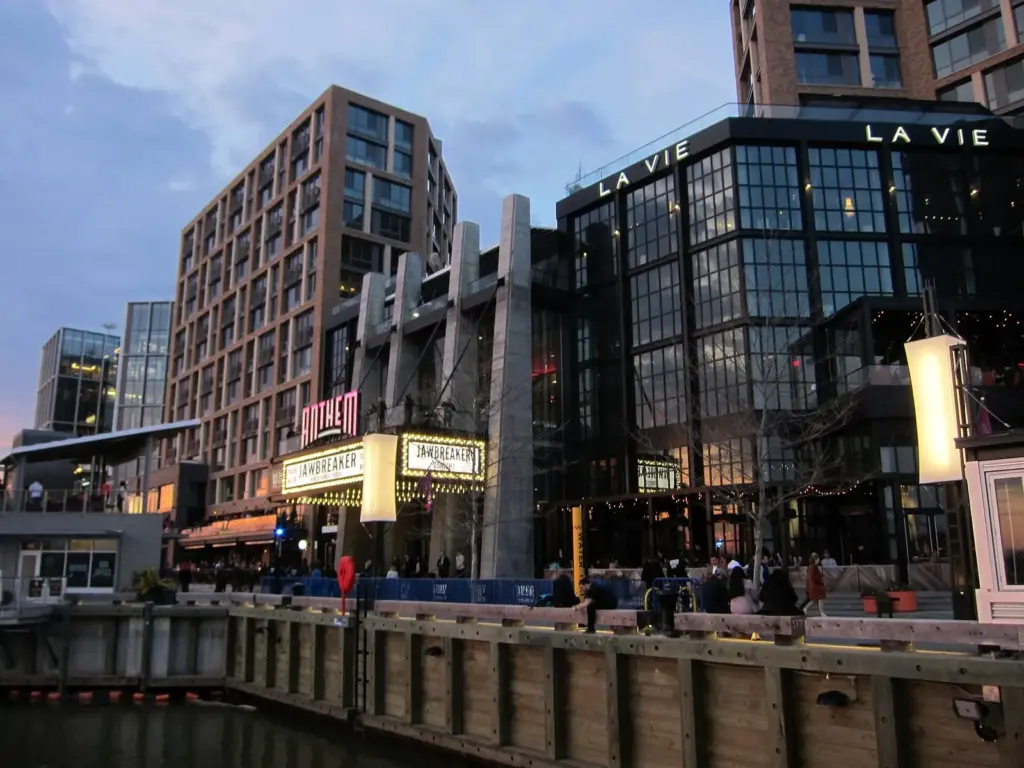
The Anthem
The big one. The Anthem, on the Wharf, has a movable stage that lets it shrink to about 2,500 people or open up to 6,000, so it books acts that would otherwise play an arena. Most of the floor is standing room, and the tiers above give you a sightline and somewhere to lean. Arrive early for the Wharf restaurants and the water. Metro: Waterfront (Green line), about a 10-minute walk.
The 9:30 Club and The Atlantis
The 9:30 Club, at 815 V Street NW, is the city’s most loved club venue: a standing-room floor, a balcony above it and a booking history that runs from punk to pop. Next door, The Atlantis is a 450-capacity replica of the original 9:30 Club that opened in May 2023, and it’s the place to catch a band a year before they fill the big room. Metro: Shaw-Howard U or U Street (Green line), about a 5-minute walk.
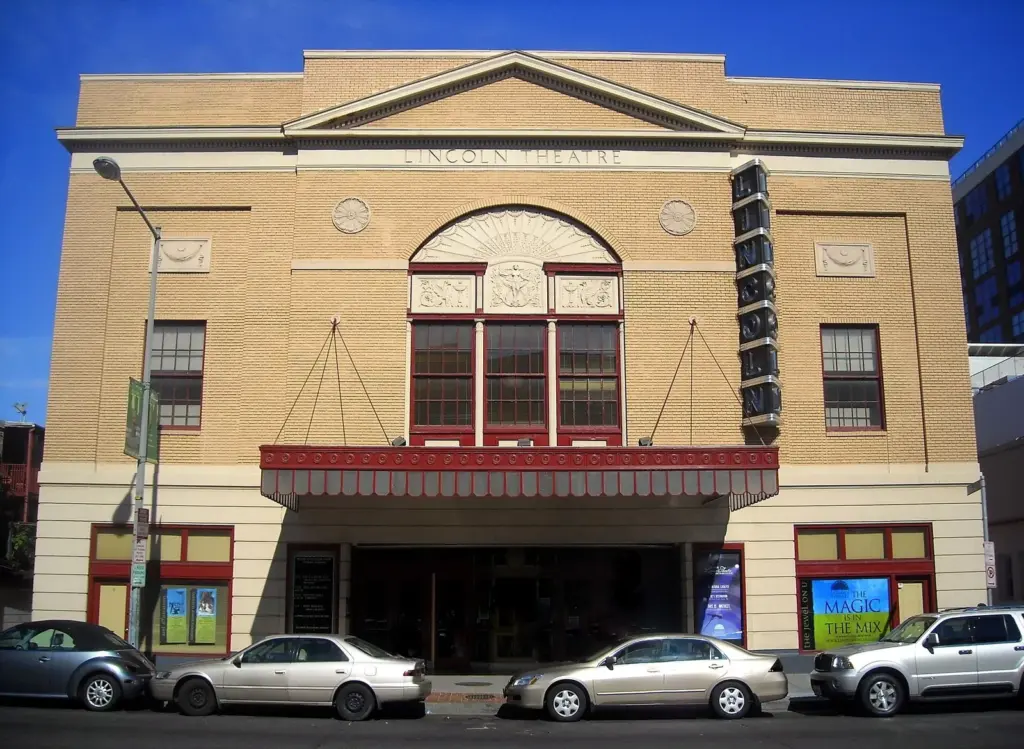
The Lincoln Theatre and the Howard Theatre
Two historic halls from the era when U Street was known as Black Broadway. The Lincoln Theatre, opened in 1922, is a seated hall of about 1,150 that suits singer-songwriters and comedy, and it’s one of the National Symphony Orchestra’s six homes this season. The Howard Theatre, a few blocks east on T Street, opened in 1910 and is back to booking concerts after a long restoration. Metro: U Street or Shaw-Howard U (Green line).
Echostage and the arenas
Echostage, out in Northeast DC, is the city’s big room for DJs and dance music, and it has no Metro station within easy walking distance, so plan a rideshare home. Arena and stadium concerts are another experience entirely: Capital One Arena is midway through an $800 million renovation due to finish before the 2027-28 seasons, with a new main entrance at 7th and F Streets due this fall, and events continue throughout.
Classical music and opera while the Kennedy Center is dark
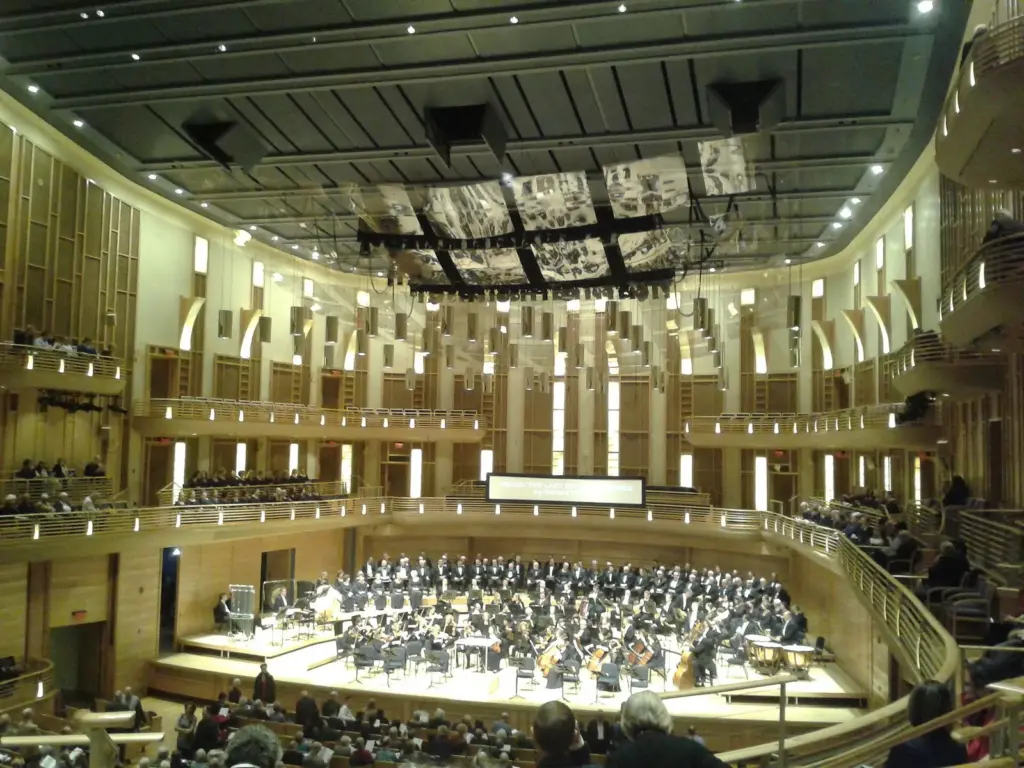
The National Symphony Orchestra’s 2026-27 season is its first away from the Kennedy Center. It opened with a gala at Strathmore on September 26, 2026, and runs 56 concerts across the region, with eight more on a US tour in April 2027. Here’s where it’s playing, as reported in August 2026:
| Hall | Where | NSO concerts | Seats | Getting there |
|---|---|---|---|---|
| Lisner Auditorium (George Washington University) | Foggy Bottom, DC | 24 | 1,350 | Foggy Bottom-GWU (Blue, Orange, Silver) |
| Music Center at Strathmore | North Bethesda, Maryland | 13 | 1,925 | Grosvenor-Strathmore (Red) |
| Rachel M. Schlesinger Concert Hall (NOVA) | Alexandria, Virginia | 9 | 900 | No Metro nearby; drive or taxi |
| Center for the Arts, George Mason University | Fairfax, Virginia | 8 | 1,850 | No Metro nearby; drive or taxi |
| Clarice Smith Performing Arts Center (University of Maryland) | College Park, Maryland | 2 | 1,050 | College Park-U of Md (Green), then a campus walk |
| Lincoln Theatre | U Street, DC | 2 | 1,150 | U Street (Green) |
For a visitor, Lisner is the practical choice: it has the most concerts and it’s a short walk from Foggy Bottom station. Strathmore’s hall is the one with the acoustic reputation, and it sits right by its Metro stop, though the Red line ride from downtown takes about half an hour. Washington National Opera, now independent of the Kennedy Center, used Lisner for its spring 2026 productions; check its own site for this season.
Jazz clubs and comedy nights
Blues Alley is the classic: a 125-seat jazz supper club tucked off Wisconsin Avenue in Georgetown, which bills itself as the oldest continuously operating jazz supper club in the country. The 2026 calendar has brought the likes of Kenny Garrett and a National Black Music Month series. It’s small, so book ahead, and check whether a food-and-drink minimum applies on top of the ticket. There’s no Metro in Georgetown; Foggy Bottom station is a 15 to 20-minute walk.
In summer, the National Gallery of Art’s Jazz in the Garden concerts in the Sculpture Garden are the city’s favorite free music, and entry is by a weekly lottery.
For comedy, DC Improv at 1140 Connecticut Avenue NW has run since 1992, with two showrooms, national headliners and a comedy school. It’s two minutes from Farragut North station. Across the river, the Arlington Cinema & Drafthouse mixes stand-up nights with movies. Skip the old listings for Drafthouse Comedy on 13th Street downtown: that club has closed.
Summer and outdoor stages
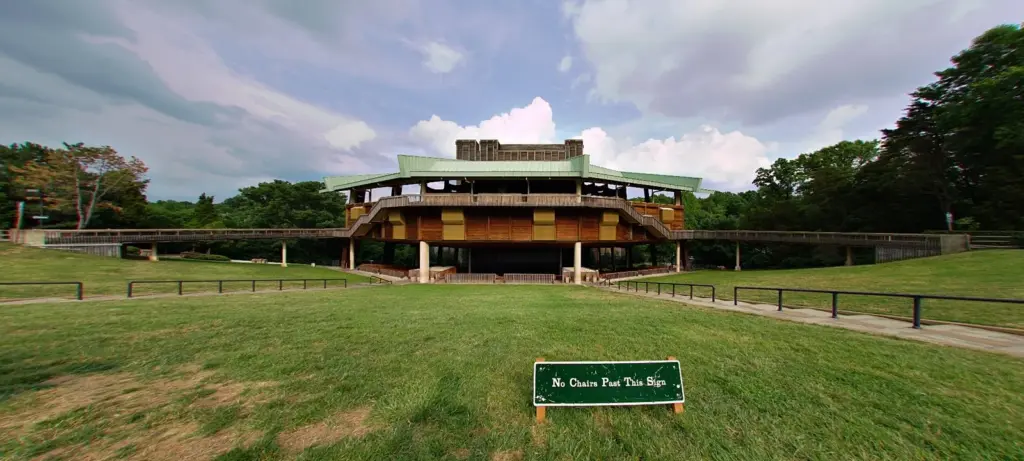
Wolf Trap, in Vienna, Virginia, is the only national park set aside for the performing arts. Its big open-sided Filene Center hosts the summer season, and a lawn ticket and a picnic is one of the region’s great cheap nights out. From fall to spring, the action moves to The Barns at Wolf Trap, a pair of rebuilt historic barns that just gained a third, the Virginian Barn, moved to the site in summer 2026. The Barns’ 2026-27 season is on sale now. It’s a drive or rideshare from the city; check Wolf Trap’s site for shuttle options on show nights.
Back in town, the Wharf puts on free Friday concerts at 7pm on its Transit Pier in summer, and Merriweather Post Pavilion in Columbia, Maryland, handles the big summer amphitheater tours.
Which stage suits you
If you only have one night, match the venue to the kind of evening you want.
| If you are… | Go to | Why |
|---|---|---|
| A first-time visitor with one free night | The National Theatre or Ford’s Theatre | A Broadway tour, or a play in the most historic theater in town |
| A serious theatergoer | Arena Stage, Studio Theatre or Woolly Mammoth | The strongest new and contemporary work in the city |
| Under 36 and on a budget | Shakespeare Theatre Company or Woolly Mammoth | $39 seats at 35 and under; from $25 at 30 and under |
| A Shakespeare fan | Folger Theatre, then Shakespeare Theatre Company | An Elizabethan-style house, then big-budget productions |
| A musical theater fan | The National, then Signature Theatre | Tours downtown, Sondheim in Arlington |
| A family with kids | Ford’s A Christmas Carol or Arena’s holiday step show | Festive, well paced and easy to follow |
| A music fan | The 9:30 Club, The Anthem or Blues Alley | A legendary club, a big room or a jazz supper club |
| A classical music lover | The NSO at Lisner Auditorium or Strathmore | The orchestra’s two main homes this season |
| Staying in Arlington | Signature Theatre or the Arlington Cinema & Drafthouse | No need to cross the river |
What’s on: fall 2026 to spring 2027 highlights
A shortlist of dated productions from the season announcements, as of September 24, 2026. Dates can change, and many shows extend, so check before you book travel around one.
| Production | Company and stage | Dates |
|---|---|---|
| The Fruits of Our Labor (Step Afrika!) | Arena Stage, Fichandler | Sept 10-Nov 1, 2026 |
| Measure for Measure | Folger Theatre | Sept 22-Nov 1, 2026 |
| Wish You Were Here | Studio Theatre, Mead Theatre | Through Nov 1, 2026 |
| Are You Now or Have You Ever Been? | Arena Stage, Kreeger | Oct 17-Dec 6, 2026 |
| Magical Musical Holiday Step Show | Arena Stage, Fichandler | Dec 4-23, 2026 |
| A Midsummer Night’s Dream | Shakespeare Theatre Company, Harman Hall | Dec 4, 2026-Jan 10, 2027 |
| A Raisin in the Sun | Shakespeare Theatre Company, Klein | Jan 23-Feb 28, 2027 |
| Purpose | Arena Stage, Fichandler | Feb 5-Mar 28, 2027 |
| Hamlet | Folger Theatre | Mar 2-Apr 11, 2027 |
| Romeo and Juliet | Shakespeare Theatre Company, Klein | Apr 13-May 16, 2027 |
| Follies | Signature Theatre with STC, Harman Hall | May 18-June 20, 2027 |
Undated so far: the Broadway at the National tours (check each show’s run), Ford’s Theatre’s Come From Away, A Christmas Carol and Spelling Bee, Signature’s Merrily We Roll Along and Woolly Mammoth’s five premieres.
One evening, three ways
Three plans for a single free night, each built around one neighborhood so you’re never racing across town before curtain.
A Penn Quarter night: small plates, a play, a nightcap
Take the Metro to Gallery Place for 5:30pm and share small plates at Jaleo or Zaytinya. Shakespeare Theatre Company’s Harman Hall and Woolly Mammoth are a few minutes’ walk away, and the National is about ten, so a 7:30pm curtain is easy. Shows let out around 10pm, when Penn Quarter’s bars are still busy, and Gallery Place station stays open until midnight even on weeknights. Best for: a first trip, and anyone staying downtown.
A waterfront night: the fish market, Arena Stage, the river
Ride the Green line to Waterfront and walk to the Municipal Fish Market on Maine Avenue for crabs or a fried-fish plate eaten by the water. Arena Stage is under ten minutes’ walk away. Afterward, stroll the Wharf’s promenade before heading back to Waterfront station. On a concert night, swap Arena for The Anthem and keep the rest of the plan. Best for: couples, and anyone who wants the river in the evening.
A U Street night: a half-smoke and a show
Start with a half-smoke at Ben’s Chili Bowl, next door to the Lincoln Theatre, or an Ethiopian dinner at Dukem. Then catch a seated show at the Lincoln or a band at the 9:30 Club, The Atlantis or the Howard Theatre. U Street stays busy late, and on Fridays and Saturdays the Metro runs until 2am. Best for: music fans and night owls.
How to buy theater tickets in DC and pay less
Start at the box office. Every theater here sells directly through its own website and phone line. Search results are full of resale sites that look official and charge more, sometimes a lot more. If the URL isn’t the theater’s own domain, or Broadway at the National’s for the tours, back out.
Use the age deals if you qualify. As of September 2026, Shakespeare Theatre Company sells $39 seats to anyone 35 and under, and Woolly Mammoth starts at $25 for 30 and under. Those are some of the best-value tickets in American theater.
Try the pay-what-you-can nights. Woolly’s first two performances of every show are pay-what-you-will, and its Pick Your Price scheme opens cheaper seats across the run. Other companies run similar programs; look for “pay what you will” or “rush” on each theater’s ticket page.
Choose your night. Previews, weeknights and matinees are usually cheaper than Friday and Saturday evenings. For the biggest tours, including Hamilton, check the show’s own page for a digital lottery or rush policy before paying full price.
Book early for small rooms. Blues Alley, The Atlantis, Studio and Woolly are intimate, and good shows sell out. The big houses, the National and the Warner, usually have something left, at a price.
Mind the extras. Service fees are added at checkout at most venues, and supper clubs such as Blues Alley may add a food-and-drink minimum. Restaurant meals in DC are taxed at 10% (as of September 2026), so budget for that at dinner, too.
Free and nearly free performances
You don’t need a big budget to see something good. The best free music in town is the National Gallery of Art’s Jazz in the Garden series in summer, with entry by weekly lottery. The Wharf runs free Friday concerts at 7pm on its Transit Pier in summer, too. For theater, Woolly Mammoth’s first two performances of each show are pay-what-you-will, and a lawn seat at Wolf Trap in summer costs less than most movie-and-dinner nights. What you can’t count on right now is the Kennedy Center’s Millennium Stage, which ran free shows every evening for decades and closed with the main building.
Picking seats
A few rules of thumb that hold across DC’s theaters:
- At the National and the Warner, the front mezzanine often gives a better picture of a big musical than the back half of the orchestra, and it’s often cheaper.
- In Arena’s Fichandler, there’s no bad side because there’s no side: the stage is in the middle. Aisle seats let you stretch, and the first row is close enough to be in the scene.
- At Woolly and Studio, the rooms are small enough that the cheap seats are good seats.
- At the 9:30 Club and The Anthem, decide between the floor (close, standing, loud) and the balconies (a view and a rail to lean on). Arrive when the doors open if the floor matters to you.
- For accessibility, every major venue sells wheelchair and companion seating and offers assistive listening. Many companies also schedule captioned, audio-described and relaxed performances. Call the box office, which will know the building better than the seat map does.
Where to eat before the show
Pre-theater dinner works best in the neighborhood of your theater, because crossing town at 6:30pm eats the time you need. Tell the server you’ve got a curtain to make, and most kitchens will pace the meal. For the full picture, see our guide to the best restaurants in Washington DC.
Penn Quarter (the National, Warner, Ford’s, Shakespeare Theatre, Woolly)
This is José Andrés country. Jaleo, his Spanish tapas bar and the one that started it all in 1993, Zaytinya for Mediterranean mezze and Oyamel for Mexican small plates are all within a few blocks of the downtown stages, and small plates suit a tight schedule. All three were operating in 2026 and took part in that summer’s Restaurant Week.
14th Street and Logan Circle (Studio Theatre)
Le Diplomate, the French brasserie on 14th Street, is a few minutes’ walk from Studio and was still on the city’s best-restaurant lists in 2026. Reserve well ahead, or aim for the bar.
U Street and Shaw (Lincoln, 9:30 Club, Howard)
Ben’s Chili Bowl, next door to the Lincoln Theatre since 1958, reopened on May 1, 2026 after more than nine months of repairs, and a half-smoke before a U Street show is a DC rite. For something slower, the area is the heart of DC’s Ethiopian dining: Dukem on U Street has been serving since 1997, and Chercher is in Shaw.
Georgetown (Blues Alley)
Martin’s Tavern has been pouring on Wisconsin Avenue since 1933, 1789 Restaurant serves in a Federal-style rowhouse, and Fiola Mare does Italian seafood on the waterfront. Blues Alley also serves dinner, so you can eat at the club.
The Wharf (Arena Stage, The Anthem)
The Wharf is lined with restaurants, but the cheapest and most local option is the Municipal Fish Market at 1100 Maine Avenue SW, which dates to 1805. Buy steamed crabs or a fried-fish plate, eat by the water, and walk to the show.
If you’d rather eat after the show, our DC restaurant guide flags the places that serve late.
Where the stages cluster
DC doesn’t have a single theater district, but most stages fall into five pockets, and choosing a hotel near one makes a theater night easy.
- Downtown and Penn Quarter: the National, the Warner, Ford’s, both Shakespeare Theatre houses and Woolly Mammoth, all within about ten minutes’ walk of each other.
- Southwest Waterfront: Arena Stage and The Anthem, plus the Wharf’s restaurants and water taxis.
- U Street and Shaw: the 9:30 Club, The Atlantis, the Lincoln Theatre and the Howard Theatre, with the city’s best late-night food nearby.
- 14th Street and Dupont: Studio Theatre and DC Improv.
- Capitol Hill and Georgetown: the Folger on one side of town, Blues Alley on the other.
Planning a theater night
A typical evening looks like this: dinner at 5:30pm, a 7:30pm curtain, out by about 10pm, and time for a drink before the Metro closes. Some practical points:
- Metro hours: as of September 2026, stations close at midnight Sunday to Thursday and 2am on Friday and Saturday. That’s plenty for a play and tight for a late concert on a weeknight.
- Arrive 30 minutes early. Latecomers are often held until a break, and at the concert venues bag checks and ID checks at the bar take time.
- Bags: the big concert rooms limit bag sizes; carry a small one. Theaters are more relaxed, but a backpack from a day of sightseeing will end up under your seat.
- Dress: there’s no dress code at any of these venues. Most people wear what they’d wear to a nice dinner, and summer air conditioning makes a layer useful.
- Parking: skip it. Downtown garages are expensive, and the Metro stops a few minutes from almost every stage.
Taking kids to a show
The best family bets this season are Ford’s Theatre’s A Christmas Carol, an easy first play in a building kids will remember, Arena Stage’s Step Afrika! holiday step show in December, and Shakespeare Theatre Company’s A Midsummer Night’s Dream, whose puppets by Basil Twist should hold younger audiences. A touring musical at the National suits older kids. Many theaters set a minimum age for some shows and require a ticket for every audience member, whatever their age, so check before you book.
In summer, a Wolf Trap lawn show with a picnic lets kids wander, which is sometimes the whole point.
How Washington became a theater town
Theater in the capital is older than most of its monuments. The National Theatre opened on Pennsylvania Avenue in 1835, and Ford’s Theatre was a busy playhouse when John Wilkes Booth shot Lincoln there in April 1865. The federal government took over the building afterward, and it didn’t reopen as a working theater until 1968.
In the early 20th century, the Howard Theatre (1910) and the Lincoln Theatre (1922) anchored the stretch of U Street known as Black Broadway, the scene a young Duke Ellington, a Washington native, grew up in. Arena Stage opened in 1950 as one of the first nonprofit regional theaters in the country, part of the movement that spread professional theater far beyond New York. The Kennedy Center opened in 1971 as the national performing arts center and spent five decades as the city’s grandest stage.
The rest filled in over the next few decades. Shakespeare Theatre Company grew out of the troupe that performed at the Folger, then moved into its own Penn Quarter houses. Woolly Mammoth, Studio and Signature built national reputations for new plays and musicals. The 9:30 Club opened in 1980 at 930 F Street NW, the address that gave it its name, and moved to V Street in 1996. The result is a scene that the Kennedy Center’s closure has dented but not broken.
What’s changed for DC theatergoers
As of September 2026, these are the updates older guides miss:
- The Kennedy Center’s main building is closed after the board’s September 15, 2026 vote. Its future is in court.
- The National Symphony Orchestra plays six other halls in 2026-27, led by Lisner Auditorium and Strathmore.
- Washington National Opera has left the Kennedy Center and used Lisner Auditorium in spring 2026.
- Drafthouse Comedy’s downtown club has closed; the Arlington Cinema & Drafthouse still runs comedy.
- The Atlantis opened in 2023 next to the 9:30 Club.
- The Folger reopened in June 2024 after a renovation, with new exhibition space alongside the theater.
- Ben’s Chili Bowl reopened on May 1, 2026 after repairs.
- Capital One Arena is being renovated through 2027, with a new entrance at 7th and F Streets due this fall.
- DC’s sales tax rises from 6% to 7% on October 1, 2026.
What to skip
- Don’t plan an evening around the Kennedy Center until it reopens. The free Millennium Stage shows and building tours in older guides aren’t running.
- Don’t buy from the first search result. Resale sites dress up as box offices. Buy from the theater.
- Don’t cross town for dinner before a 7:30pm curtain. Eat near the theater.
- Don’t drive downtown for a show. The Metro is quicker and garage rates are steep.
- Don’t assume a late concert gets you home by train on a weeknight. Check the last train or budget for a rideshare.
Theaters in Washington DC FAQ
What is the most famous theater in Washington DC?
Ford’s Theatre, where Abraham Lincoln was shot in 1865, is the most famous, and it still stages plays and musicals. The National Theatre on Pennsylvania Avenue, operating since 1835, is the best known for touring Broadway shows. The Kennedy Center was the city’s biggest arts venue, but its main building closed in September 2026.
Is the Kennedy Center open right now?
No. The Kennedy Center’s board voted on September 15, 2026 to close the main building immediately, citing safety and finances, and its future is now in court. The National Symphony Orchestra is playing its 2026-27 season at six other halls, including Lisner Auditorium and Strathmore. Check the center’s own site before planning anything there.
Where do touring Broadway musicals play in Washington?
At the National Theatre, 1321 Pennsylvania Avenue NW, near Metro Center. Its 2026-27 Broadway at the National season includes Hell’s Kitchen, Maybe Happy Ending, Just in Time, Operation Mincemeat and the return of Hamilton. Buy through the theater’s own site or box office to avoid resale markups.
How can I get cheap theater tickets in DC?
Use the age deals if you qualify: Shakespeare Theatre Company sells $39 seats to anyone 35 and under, and Woolly Mammoth starts at $25 for 30 and under (September 2026). Woolly’s first two performances of every show are pay-what-you-will. Previews, weeknights and matinees cost less, and big tours often run digital lotteries.
Where can I see a play in DC this fall?
Arena Stage has Are You Now or Have You Ever Been? from October 17 to December 6, 2026. The Folger’s Measure for Measure and Studio Theatre’s Wish You Were Here both run to November 1. Shakespeare Theatre Company opens A Midsummer Night’s Dream on December 4, and Woolly Mammoth is staging five world premieres this season.
What should I wear to the theater in Washington DC?
There’s no dress code at any DC theater or concert venue. Most people dress as they would for a nice dinner, and plenty come straight from sightseeing. Bring a layer, because theaters run cold in summer, and carry a small bag, since big concert venues limit bag sizes and theater seats have little room.
Can I get to DC theaters on the Metro?
Mostly, yes. The Penn Quarter theaters are near Metro Center, Gallery Place and Archives, Arena Stage and The Anthem are near Waterfront, and the U Street venues sit on the Green line. Signature Theatre, Blues Alley and Echostage have no nearby station. Stations close at midnight Sunday to Thursday, 2am on weekends.
What’s the best concert venue in DC?
For most music fans it’s the 9:30 Club, a standing-room club with balconies and a long, storied booking history. For bigger acts, The Anthem on the Wharf holds 2,500 to 6,000. For a seated show, try the Lincoln Theatre on U Street, and for jazz, Blues Alley in Georgetown.
Related Washington DC Guides
- Best Restaurants in Washington DC: where to eat before or after the show, neighborhood by neighborhood.
Sources and How We Checked
We checked the venues, seasons, prices and policies on this page on September 24, 2026, against the official sites and published season announcements below, and compiled the page from them. We didn’t attend performances for this page, and we don’t claim to have.
- Broadway at the National: upcoming shows
- Arena Stage
- Shakespeare Theatre Company: 26/27 season
- Folger Theatre: Measure for Measure
- Wolf Trap: The Barns 2026-27 season
- Blues Alley: events
- DC Improv
We also used Ford’s Theatre, Studio Theatre, Woolly Mammoth, Signature Theatre and Warner Theatre calendars and season announcements; WTOP’s August 2026 report on the National Symphony Orchestra’s season; NPR’s coverage of the Kennedy Center board vote and court rulings in September 2026; and the DC Office of Tax and Revenue for tax rates.
Washington DC Tourism Guide is an independent publication. We are not affiliated with Destination DC, the National Park Service, the Smithsonian Institution or any attraction listed here, and no one paid to be included.
Photo Credits
- Ford's Theatre interior: photo by Wknight94 talk, via Wikimedia Commons (CC BY-SA 3.0)
- The Kennedy Center, September 2026: photo by G. Edward Johnson, via Wikimedia Commons (CC BY 4.0)
- The National Theatre: photo by Photo: Andreas Praefcke, via Wikimedia Commons (CC BY 3.0)
- Arena Stage at the Mead Center: photo by Farragutful, via Wikimedia Commons (CC BY-SA 4.0)
- Harman Hall, Shakespeare Theatre Company: photo by APK, via Wikimedia Commons (CC BY 4.0)
- The Anthem at the Wharf: photo by AgnosticPreachersKid, via Wikimedia Commons (CC BY-SA 4.0)
- Lincoln Theatre, U Street: photo by AgnosticPreachersKid, via Wikimedia Commons (CC BY-SA 3.0)
- Music Center at Strathmore: photo by Ser Amantio di Nicolao, via Wikimedia Commons (CC BY-SA 3.0)
- Filene Center, Wolf Trap: photo by Gregory F. Maxwell <[email protected]> PGP:0xB0413BFA, via Wikimedia Commons (GFDL 1.2)