Washington isn’t a city people visit to shop, and that’s exactly why it surprises them. Shopping in Washington DC is less about department stores and more about places: a 150-year-old market hall on Capitol Hill, Federal-era rowhouses full of boutiques in Georgetown, a luxury alley downtown and museum shops that sell better souvenirs than any gift stand on the Mall. This guide maps where to shop by district, when the markets run, which malls and outlets are worth the trip, and what you’ll pay in tax.
Quick answer: For the best all-round shopping, go to Georgetown’s M Street and Wisconsin Avenue. For luxury brands, go to CityCenterDC downtown. For a market morning, go to Eastern Market on a Saturday or Sunday, when the outdoor market runs from 9am to 4pm. For big-name chains under one roof, ride the Metro to Tysons Corner Center or the Fashion Centre at Pentagon City. DC’s sales tax rises to 7% on October 1, 2026, and there’s no tourist tax refund in the US.
Last updated September 24, 2026. Market hours, store lists and tax rates were checked that day against the markets’, shopping centers’ and DC government’s own websites. Hours change seasonally, so check before a special trip.
- Eastern Market: South Hall open Tuesday to Saturday 8am to 6pm and Sunday 8am to 5pm; outdoor market Saturday and Sunday 9am to 4pm and Tuesday noon to 4pm; closed Monday.
- Luxury: CityCenterDC, at 10th and H Streets NW, has Chanel, Dior, Gucci, Louis Vuitton, Hermès, Tiffany and more around Palmer Alley.
- Malls on the Metro: Tysons Corner Center (Silver line) and the Fashion Centre at Pentagon City (Blue and Yellow lines).
- Tax: DC sales tax is 6%, rising to 7% on October 1, 2026.
On this page: At a glance | Where to shop | By area | Markets | Malls and outlets | Souvenirs | Bookstores | Holiday shopping | Tax and hours | FAQ
Shopping in Washington DC at a glance
The main shopping areas, what each does best, and how to get there.
| Where | Best for | Price level | Metro | Best time |
|---|---|---|---|---|
| Georgetown | Fashion, home stores, a historic street | Mid to high | None: Foggy Bottom, about 15 min on foot | Weekday mornings, before the crowds |
| CityCenterDC | Luxury brands | High | Metro Center or Gallery Place, about 5 min | Any day; quieter on weekdays |
| Eastern Market | Food, crafts, art, antiques, flea finds | Low to mid | Eastern Market (Blue, Orange, Silver), about 5 min | Saturday or Sunday, 9am to 4pm |
| Union Market District | Food hall, makers, specialty shops | Mid | NoMa-Gallaudet U (Red), 10 to 15 min | Weekends |
| 14th Street and U Street | Boutiques, design and home stores | Mid to high | U Street (Green) or Dupont Circle (Red) | Afternoons |
| Old Town Alexandria | Independent shops, antiques, art studios | Mid | King St-Old Town (Blue, Yellow), then the free trolley | Weekends |
| Tysons Corner Center | Big-name chains and department stores | Mid | Tysons (Silver), direct access | Weekday evenings |
| Fashion Centre at Pentagon City | Mall shopping close to the city | Mid | Pentagon City (Blue, Yellow) | Rainy days |
Where is the best shopping in DC?
It depends on what you’re shopping for, because DC doesn’t have a single shopping district. The city’s retail is spread across neighborhoods, each with a personality:
- For a classic shopping street, Georgetown is the answer, and it’s been the city’s main shopping area for decades.
- For luxury, CityCenterDC has gathered the big European houses into a few pedestrian blocks downtown.
- For markets, Eastern Market on Capitol Hill and the Union Market District in Northeast are the two to know.
- For independent boutiques, 14th Street, U Street and Old Town Alexandria across the river have the most character.
- For malls, you’ll ride the Metro to Virginia: Tysons Corner Center and Pentagon City are both on the rail network.
If you’re choosing a base with shopping in mind, our guide to Washington DC neighborhoods describes what each area is like beyond its shops.
Shopping in Washington DC by area, ranked
Ranked for a visitor with a few hours to spend: variety, character and how easy each area is to reach.
1. Georgetown
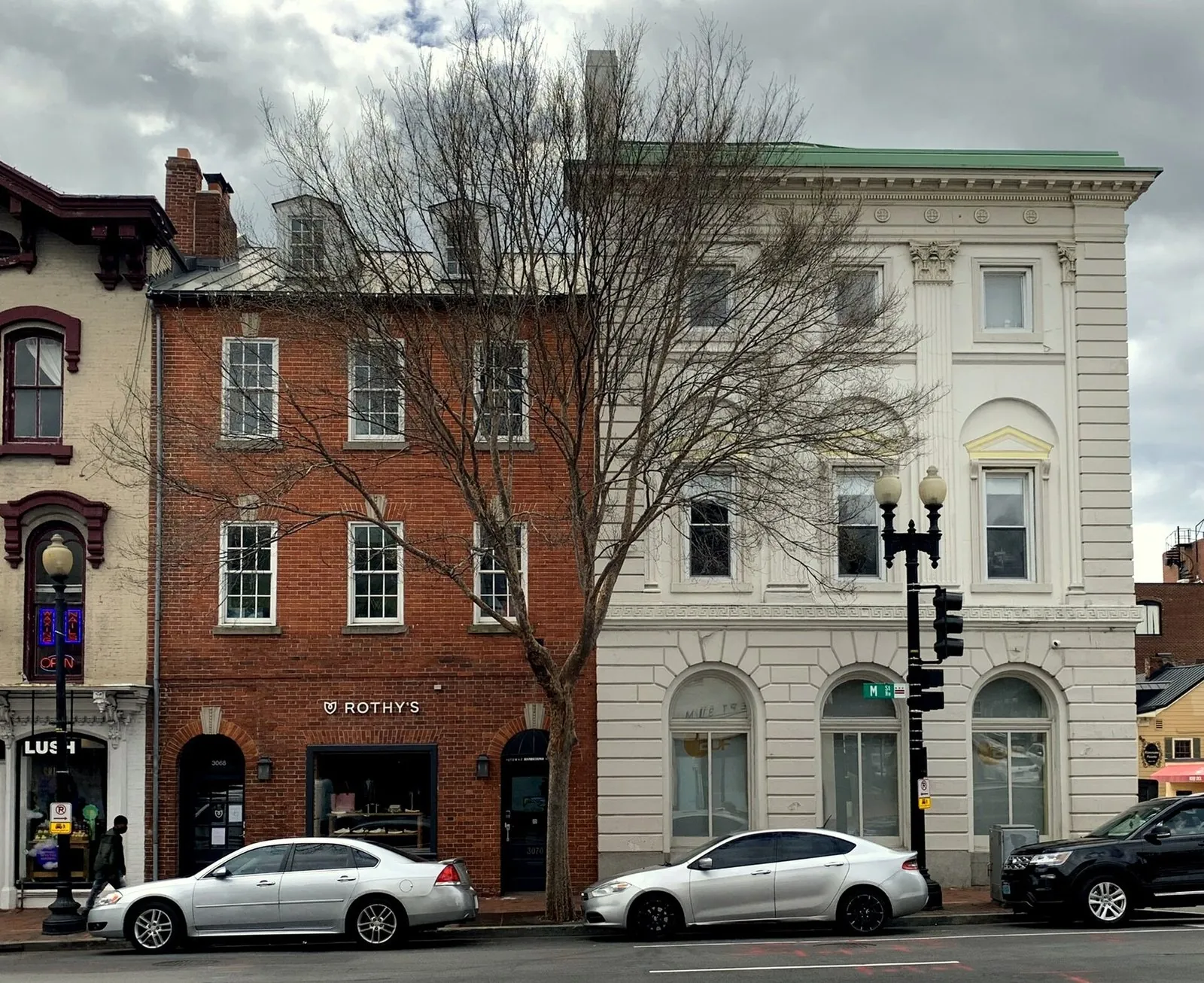
The city’s best shopping street, in its oldest neighborhood. M Street and Wisconsin Avenue meet in the middle of Georgetown, and the blocks around that corner hold the city’s densest mix of shops: national fashion brands, home and design stores, boutiques and cafes, all in 18th and 19th-century buildings. The side streets and the C&O Canal towpath below M Street make it a pleasant place to wander between purchases. For the neighborhood’s history, restaurants and waterfront, see our full guide to Georgetown DC.
Nearby: refuel at Martin’s Tavern, pouring on Wisconsin Avenue since 1933, or book 1789 Restaurant in its Federal-style rowhouse for dinner. Fiola Mare does Italian seafood on the waterfront. The C&O Canal runs just south of M Street, and the nonprofit Georgetown Heritage now runs the canal boat rides. Combine a morning of shopping with a canal walk and lunch by the river.
Plan it: most shops open from around 10am into the evening, with shorter hours on Sundays. Metro: none in Georgetown; Foggy Bottom-GWU (Blue, Orange, Silver lines) is about a 15-minute walk, or take Metrobus or a rideshare. Weekends are crowded, and the brick sidewalks are narrow. Allow three hours. Best for: fashion shoppers, couples, first-timers.
2. CityCenterDC
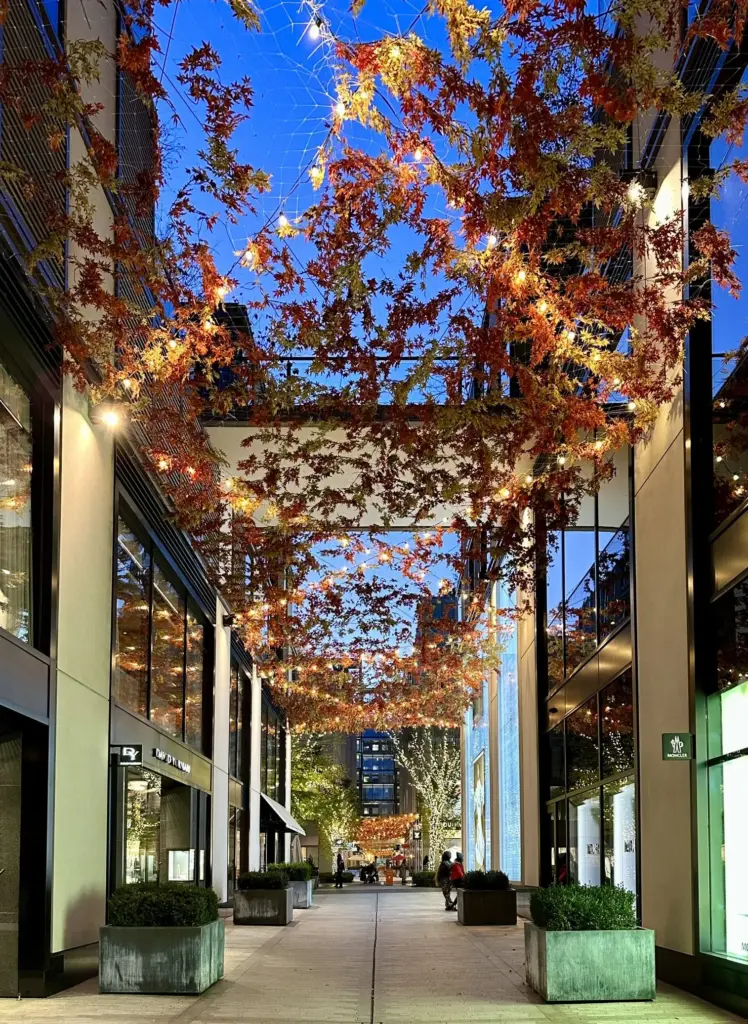
Luxury brands in a few pedestrian blocks. CityCenterDC, the development at 10th and H Streets NW, is where the big fashion and jewelry houses have their DC stores. As of 2026, the lineup includes Chanel, Dior, Gucci, Louis Vuitton, Salvatore Ferragamo, Tiffany, Bulgari, Giorgio Armani, Loro Piana, Moncler, David Yurman and Jo Malone London, with Hermès in a temporary spot on Palmer Alley during construction. Palmer Alley, the covered lane at its center, gets seasonal art installations, and the plaza’s restaurants make it an easy lunch stop between Penn Quarter’s museums.
Nearby: CityCenterDC sits between Penn Quarter’s museums and Chinatown. The National Portrait Gallery and the Smithsonian American Art Museum share a building a few blocks east, open 11:30am to 7pm, which makes them a good late-afternoon stop after the shops close. For lunch, José Andrés’s Jaleo, Zaytinya and Oyamel are all within a short walk.
Plan it: boutiques generally open 10am to 7pm Monday to Saturday and midday to 5pm on Sunday (Louis Vuitton’s hours as listed in 2026). Metro: Metro Center (Red, Blue, Orange, Silver lines) or Gallery Place (Red, Green, Yellow lines), about a 5-minute walk. Allow one to two hours. Best for: luxury shoppers, window-shopping, a rainy afternoon near the museums.
3. Eastern Market
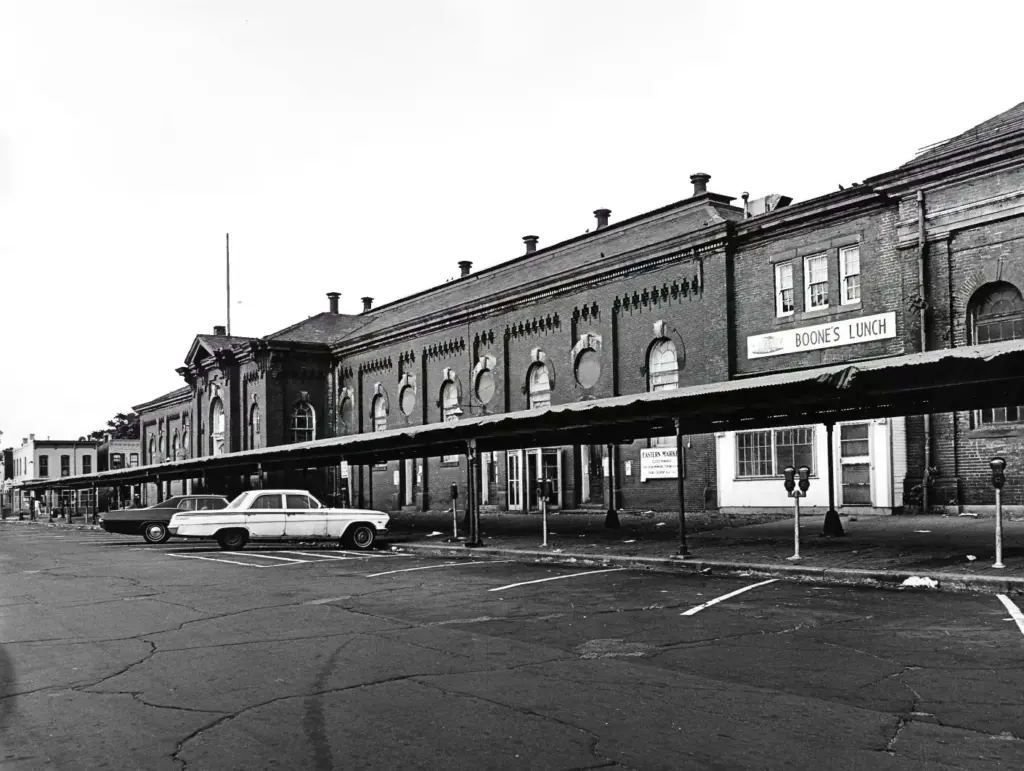
DC’s best weekend market, and a neighborhood institution since 1873. Eastern Market is a brick market hall on Capitol Hill with food merchants inside (butchers, bakers, cheese and produce) and, on weekends, an outdoor market of artists, craftspeople, farmers and flea-market dealers around it. It’s the best place in the city to buy something handmade from the person who made it. The indoor South Hall burned in 2007 and reopened after a restoration, and the market remains the heart of Capitol Hill.
Nearby: Capitol Hill Books is across the street, and the Library of Congress, the Folger Shakespeare Library and the Capitol are a 10 to 15-minute walk west along the neighborhood’s rowhouse streets. A Saturday at the market pairs well with a morning at the Folger, whose exhibitions are free with a pay-what-you-will timed pass, suggested from $15. The Library of Congress is open Tuesday to Saturday.
Plan it: South Hall open Tuesday to Saturday 8am to 6pm and Sunday 8am to 5pm; outdoor market Saturday and Sunday 9am to 4pm and Tuesday noon to 4pm; closed Monday (as of September 2026). Address: 225 7th Street SE. Metro: Eastern Market (Blue, Orange, Silver lines), about a 5-minute walk. Bring cash for smaller vendors. Allow two hours. Best for: families, food lovers, art and antique hunters, a weekend morning.
4. Union Market District
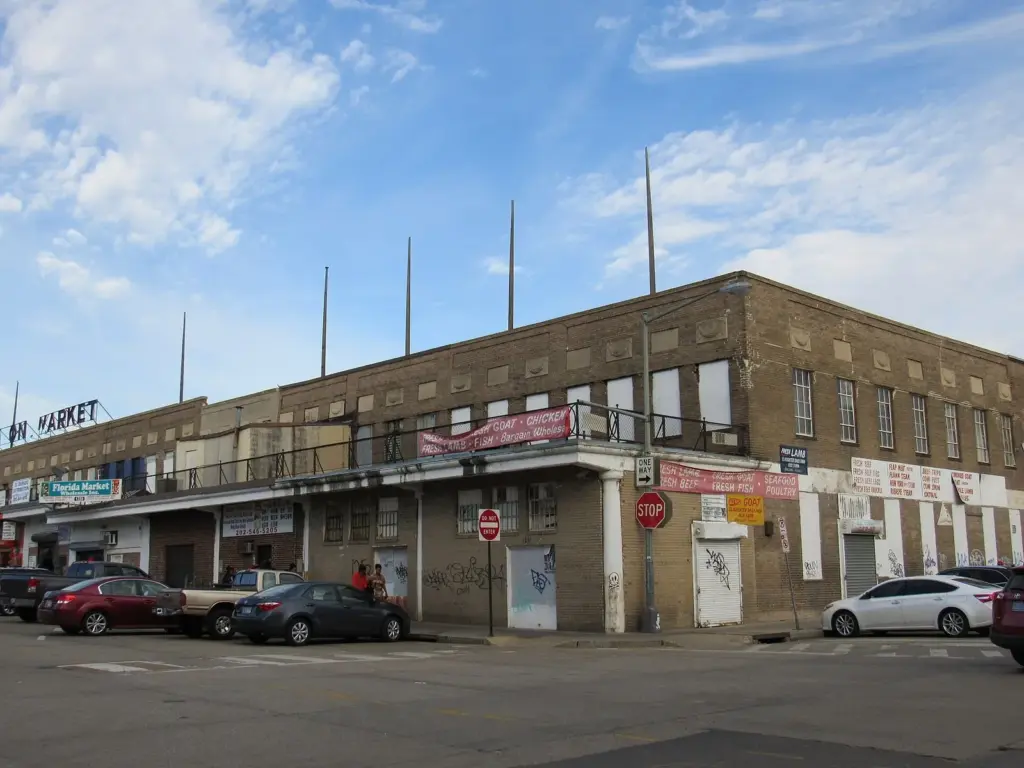
A food hall and a neighborhood of makers. Union Market, at 1309 5th Street NE, grew from a wholesale food market into DC’s best-known food hall, with dozens of vendors under one roof. The streets around it have filled with restaurants, specialty shops and apartment buildings, and Elcielo Bistro at Union Market joined the Michelin Guide’s recommended list in September 2026. Come for lunch and browse the specialty food stalls, which make good edible souvenirs.
Nearby: the district keeps adding places to eat, and it’s a short rideshare from H Street NE’s bars and restaurants if you want to make an evening of it. Gallaudet University’s historic campus is just to the north.
Plan it: the market hall’s listed hours are Monday to Saturday 8am to 9pm and Sunday 8am to 8pm. Metro: NoMa-Gallaudet U (Red line), a 10 to 15-minute walk. Allow two hours with lunch. Best for: food lovers, groups, weekend afternoons.
5. 14th Street, Logan Circle and U Street
Independent boutiques and design stores. The blocks of 14th Street from about P Street up to U Street, and U Street itself, mix clothing boutiques, home and design stores, vintage shops and some of the city’s best restaurants. It’s the place to find something you won’t see at home. Shops here tend to open late morning and stay open into the evening, which suits a shop-then-dinner afternoon.
Nearby: Le Diplomate, the French brasserie on 14th Street, was still on the city’s best-restaurant lists in 2026, and Ben’s Chili Bowl on U Street, back since May 2026 after repairs, is the classic cheap stop. Studio Theatre, on 14th Street at P, makes a shopping afternoon into a night out.
Plan it: go in the afternoon and stay for dinner. Metro: U Street (Green line) at the north end or Dupont Circle (Red line), a 10 to 15-minute walk to 14th Street. Allow two to three hours. Best for: style-conscious shoppers, couples, repeat visitors.
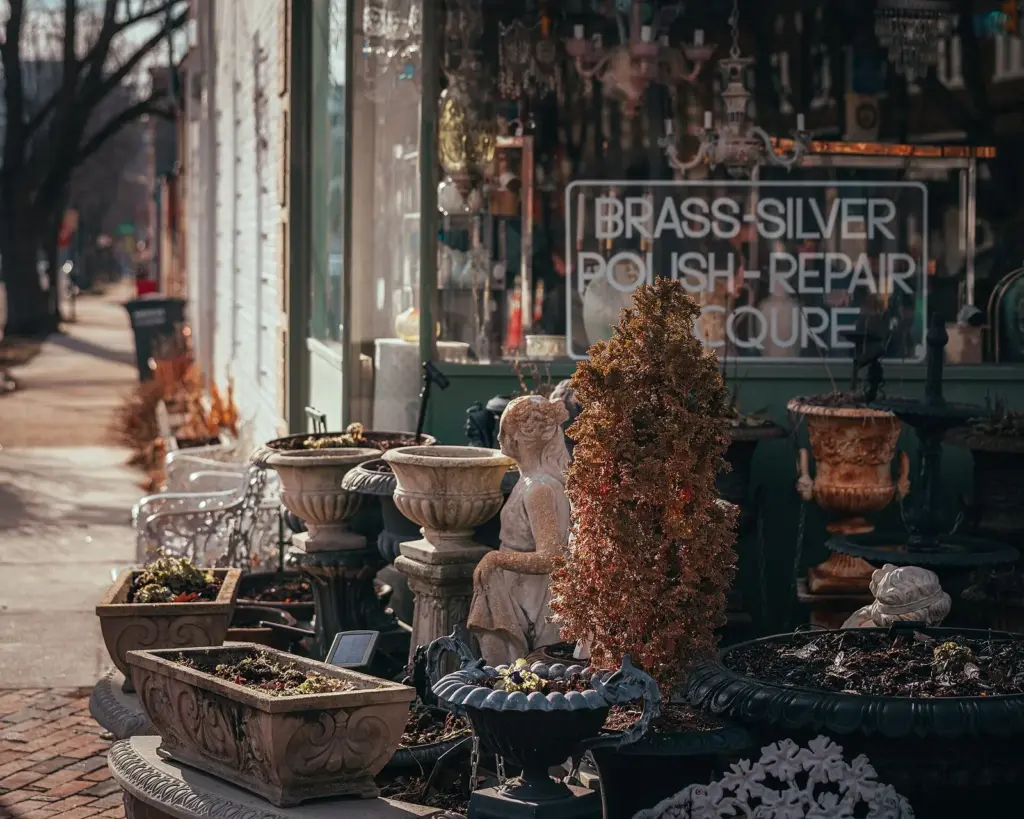
6. Old Town Alexandria
The best independent shopping street in the region. King Street in Old Town Alexandria, across the river in Virginia, runs from the Metro to the Potomac through blocks of brick rowhouses filled with independent boutiques, antiques dealers, bookstores and cafes. A free King Street Trolley runs its length every 15 minutes from 11am to 11pm daily. Near the river, the Torpedo Factory Art Center, open daily 10am to 6pm and free, houses artists’ studios where you can buy work directly. Our Old Town Alexandria guide covers the rest of the town.
Nearby: Gadsby’s Tavern serves lunch and dinner in Colonial-style dining rooms, and Virtue Feed & Grain, Hank’s Oyster Bar and Vermilion were all operating in 2026. From March to December, the Potomac Water Taxi links Old Town with the Wharf and Georgetown in about 30 minutes each way, around $22 one-way for adults, which makes a scenic way back to the city with your bags.
Plan it: go on a weekend and combine it with lunch by the water. Metro: King St-Old Town (Blue, Yellow lines), then the free trolley or a walk of about 30 minutes to the river. Virginia’s sales tax applies, not DC’s. Allow half a day. Best for: independent-shop lovers, antiques, art buyers, a day out of the city.
7. Downtown and Penn Quarter
Everyday chains, near the museums. The streets around Metro Center and Gallery Place have the national chains and practical stores you’d find in any downtown, which is useful when you’ve forgotten something. From mid-November to late December, F Street hosts the Downtown Holiday Market (see below). The museum shops a few blocks south on the Mall are the better bet for gifts.
Nearby: a short Metro ride south, the International Spy Museum at L’Enfant Plaza has the best shop in town for gadget-themed gifts, and the museum keeps long hours (from September to February, 10am to 6pm on weekdays, 9am to 7pm on Saturday and 9am to 6pm on Sunday). Chinatown’s Friendship Archway marks the neighborhood’s center at 7th and H Streets.
Plan it: good for a quick errand between sights. Metro: Metro Center or Gallery Place-Chinatown. Allow an hour. Best for: practical shopping, rainy days, holiday season.
8. Tysons Corner Center and Pentagon City
The malls, both on the Metro. DC itself has little in the way of traditional malls, so locals head to Virginia. Tysons Corner Center, the region’s biggest, has direct access from the Silver line and anchors including Nordstrom and Bloomingdale’s alongside Apple, Primark, Sephora and Zara; it’s open Monday to Saturday 10am to 9pm and Sunday 11am to 7pm. The Fashion Centre at Pentagon City, a Simon mall, is much closer to the city, right by Pentagon City station.
Plan it: Metro: Tysons (Silver line) or Pentagon City (Blue, Yellow lines). Virginia’s sales tax applies. Allow two to three hours. Best for: chain-store shopping, families, a rainy day.
Markets and farmers markets
Markets are DC’s best shopping, because they’re where the city’s makers and farmers sell directly.
- Eastern Market (Capitol Hill): the indoor South Hall runs Tuesday to Sunday, and the outdoor market of artists, crafts, farmers and flea dealers runs Saturday and Sunday from 9am to 4pm, with a smaller Tuesday afternoon market from noon to 4pm. Closed Mondays.
- Union Market (Northeast): a daily food hall with specialty food stalls; listed hours run from 8am to 9pm Monday to Saturday and to 8pm on Sunday.
- FRESHFARM Dupont Circle: the city’s best-known farmers market, every Sunday from 8:30am to 1:30pm, year-round.
- Old Town Farmers’ Market (Alexandria): every Saturday from 7am to noon, rain or shine. Since January 10, 2026 it has been temporarily on the 100 block of North Royal Street and the Tavern Square courtyard, across from Market Square, during renovations at City Hall and Market Square.
What to look for at Eastern Market: inside the South Hall, the merchants sell meat, fish, cheese, baked goods and produce, and the prepared-food counters make it a breakfast or lunch stop. Outside on weekends, the market fills with artists and craftspeople selling prints, photography, jewelry and ceramics, alongside farmers, antiques and furniture dealers, and imported goods. Arrive at 9am for the best choice, and walk the whole perimeter before you buy: the same kind of print or scarf can turn up at three stalls at different prices.
Farmers markets are small, cash-friendly and best early: the good bread and berries go first.
Malls and outlets around DC
If you’re after brand names at a discount, the outlets are a drive away, and they only make sense if you have a car or a free afternoon:
| Center | Where | Type | Getting there |
|---|---|---|---|
| Tysons Corner Center | Tysons, Virginia | Full-price mall | Metro: Tysons (Silver), direct access |
| Fashion Centre at Pentagon City | Arlington, Virginia | Full-price mall | Metro: Pentagon City (Blue, Yellow) |
| Tanger Outlets National Harbor | National Harbor, Maryland | Outlets | Car or rideshare |
| Leesburg Premium Outlets | Leesburg, Virginia | Outlets | Car |
| Clarksburg Premium Outlets | Clarksburg, Maryland | Outlets | Car |
| Potomac Mills | Woodbridge, Virginia | Outlet and value mall | Car |
Tanger at National Harbor is the closest outlet center to the city and pairs with a stroll on the National Harbor waterfront. Leesburg is the one to pick if you’re heading out toward Virginia wine country anyway. Weekday mornings are the quietest time at all of them, and every one charges its state’s sales tax.
Souvenirs worth taking home
Skip the T-shirt stands on the Mall. DC’s best souvenirs come from the institutions themselves:
- Museum shops. Every major museum has a shop, and many carry things you can’t buy elsewhere: space gear at Air and Space, art books and prints at the National Gallery, and books and crafts at the African American history museum. The money supports the museums, too.
- The White House Christmas ornament. Each year the White House Historical Association issues an official ornament; the 2026 edition marks America’s 250th anniversary, with the Declaration of Independence’s text on linen in a brass setting with 24-karat gold finish. Buy it from the association’s own shop online, or at the White House History Shop at Decatur House when it opens for special events.
- Something handmade. The artists at Eastern Market on weekends and the studios at Old Town’s Torpedo Factory sell prints, jewelry and ceramics made locally.
- Local food. Union Market’s specialty stalls and Eastern Market’s merchants sell edible gifts that travel.
- Books. A signed book from one of DC’s independent bookstores beats a magnet.
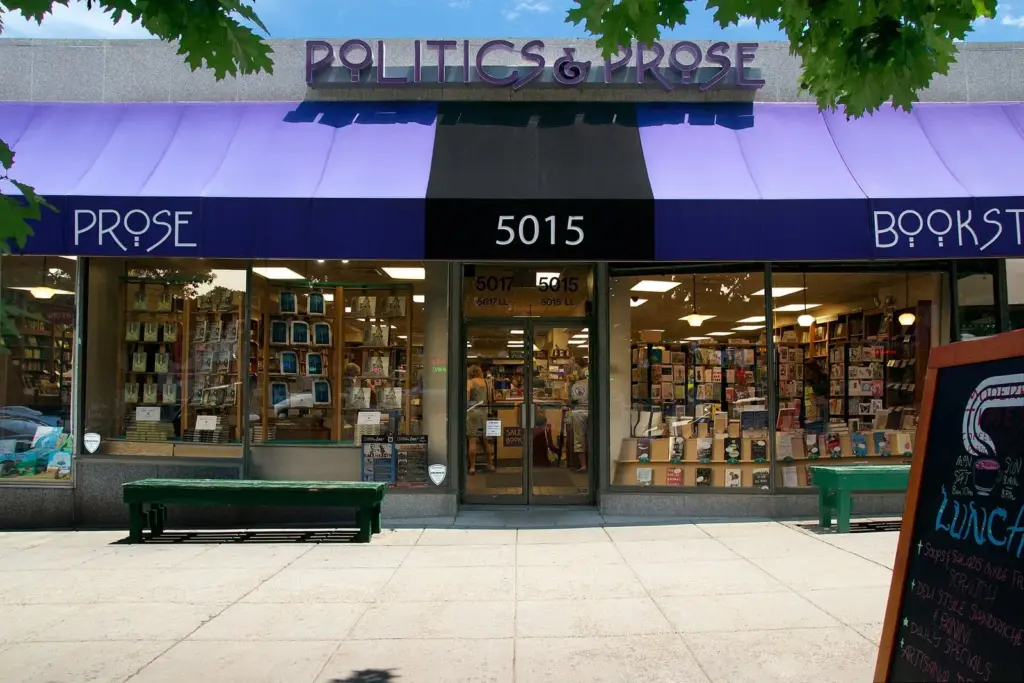
Bookstores
For a city of readers, DC has a strong independent bookstore scene. As of 2026:
- Politics and Prose: founded in 1984, with its flagship on Connecticut Avenue in upper Northwest and two more DC locations. Its author events calendar is one of the busiest in the country.
- Kramers: a Dupont Circle bookstore and cafe that opened in 1976, the city’s first of its kind, and still open late.
- Capitol Hill Books: a crammed, beloved used bookstore near Eastern Market, now over two floors.
- Second Story Books: used and rare books, from bargain paperbacks to collectible volumes.
- Solid State Books: a neighborhood independent on H Street NE.
- Busboys and Poets: restaurant-bookstores with a focus on politics and culture, with several locations.
Most open around 10am or 11am and close in the evening; the ones with cafes stay open later.
Holiday shopping
From mid-November, DC shopping gets festive. The Downtown Holiday Market, on F Street NW between 7th and 9th Streets, was announced for November 13 to December 23, 2026, with dozens of vendors selling crafts, gifts and food: noon to 8pm Monday to Thursday, 11am to 9pm Friday and Saturday, and 11am to 8pm Sunday. Eastern Market’s weekend artists, Old Town’s shops and the museum stores all make good holiday stops, and the White House ornament is a classic gift for anyone who collects them. Expect crowds on December weekends.
Sales tax, hours and practical tips
| What | The rule (September 2026) |
|---|---|
| DC sales tax | 6%, rising to 7% on October 1, 2026 |
| Virginia and Maryland stores | Charge their own state sales tax |
| Tourist tax refund | None: the US has no VAT-style refund for visitors |
| Restaurant meals and drinks in DC | 10% |
| Typical store hours | About 10am to 7pm or later; shorter on Sundays |
| Eastern Market | Closed Mondays |
A few practical tips:
- Prices don’t include tax. The shelf price is before tax, so expect to pay 6% to 7% more in DC.
- There’s no tax refund for visitors. Unlike Europe, the US doesn’t refund sales tax to tourists, so don’t save receipts expecting money back.
- Carry a little cash for markets. Most vendors take cards, but some small ones prefer cash.
- Ship big purchases home. Many shops will ship, which saves carrying bags through museum security, where large bags are restricted.
- Shop before the museums, or after. Shopping bags count as bags at museum security, so plan shopping for the end of a sightseeing day.
Where to shop, by traveler
| If you’re… | Go to | Why |
|---|---|---|
| A first-time visitor | Georgetown, then Eastern Market | A classic shopping street and a real market |
| Shopping for luxury | CityCenterDC | The big fashion and jewelry houses in one place |
| On a budget | Eastern Market’s flea market, the outlets | Bargains, antiques and discounted brands |
| Traveling with kids | Museum shops, Tysons Corner Center | Science kits and space gear; a mall on the Metro |
| A book lover | Politics and Prose, Kramers, Capitol Hill Books | Some of the best independents in the country |
| A food lover | Union Market, Eastern Market, FRESHFARM Dupont | Specialty food, local produce, edible gifts |
| An art buyer | Torpedo Factory, Eastern Market’s weekend artists | Buy directly from the maker |
A Saturday shopping day, planned
Here’s how to fit DC’s best shopping into one Saturday:
- 9am: Eastern Market as the outdoor market opens. Browse the artists and flea stalls, and have breakfast from the South Hall.
- 11am: Capitol Hill Books, a few minutes’ walk away, for a used-book hunt.
- 12:30pm: ride the Metro to NoMa and walk to Union Market for lunch at the food hall.
- 2:30pm: head to CityCenterDC for the luxury stores, or to Georgetown for the classic shopping street.
- 5pm: finish with a coffee and a browse at Kramers in Dupont Circle, then dinner nearby.
On a Sunday, swap in the Dupont Circle farmers market in the morning and remember that store hours are shorter.
Museum shops worth a detour
DC’s museum shops are where most visitors do their real souvenir shopping, and for good reason: the stock is chosen by people who know the collections, and your purchase supports the museum. A few habits help:
- They keep museum hours. Most Smithsonian museums, and their shops, are open from 10am to 5:30pm daily except December 25. The National Portrait Gallery and American Art Museum stay open until 7pm, which makes their shop a good last stop of the day.
- Shop at the end of your visit. Carrying bags through the galleries is a nuisance, and some museums restrict large bags. Browse the shop on your way out.
- Look for what you can’t get elsewhere. Air and Space’s shop is the place for space-themed gear (the freeze-dried “astronaut ice cream” is a rite of passage for kids), the National Archives shop sells reproductions of the founding documents, and the National Gallery of Art’s shops carry art books and prints tied to its collection.
- Don’t forget the smaller museums. The African American history museum’s store stocks books and crafts that are hard to find elsewhere, and the Library of Congress shop, in the Jefferson Building, is good for book lovers (the building is open Tuesday to Saturday).
- Check the online stores. If you’d rather not carry something home, several museums sell online, so you can note the item and order later.
Shopping with kids
Children tend to love DC’s shopping more than adults expect, as long as it’s the right kind. Museum shops are the obvious draw, with science kits, dinosaur toys, space gear and books tied to what they’ve just seen, which makes a souvenir a way to remember the visit rather than just a thing. Eastern Market’s weekend outdoor market is lively and easy to wander, with food to keep everyone going. Politics and Prose’s flagship is known for its children’s section, and the bookstores generally make a good rainy-hour stop. If you’re visiting the National Zoo, remember everyone needs the free entry pass, including babies, before you plan a trip to its gift shops.
Malls are the practical option for families with a specific need, like replacement shoes or a rain jacket: Pentagon City is two stops from Reagan National Airport, and Tysons Corner Center is on the Silver line.
Shopping by season
Spring is market season. Eastern Market’s weekend outdoor market is at its busiest, and the 2027 National Cherry Blossom Festival, running from March 20 to April 11, 2027, brings blossom-themed merchandise to shops all over town. Book a weekday if you want room to browse.
Summer is hot, with July highs averaging almost 90°F, so do the outdoor markets early in the morning and save the afternoon for air-conditioned stores and malls. Farmers markets are at their peak, with berries, peaches and tomatoes.
Fall is the most comfortable season for a shopping day on foot, whether in Georgetown, on 14th Street or along King Street in Old Town. It’s also when the holiday season starts: the Downtown Holiday Market was announced to open on November 13, 2026.
Winter is for holiday shopping: the Downtown Holiday Market on F Street through December 23, the White House ornament, museum shops and Old Town’s decorated storefronts. After the holidays, January is quiet, and stores run their sales.
Rainy days, Sundays and late nights
When it pours, head indoors. The Fashion Centre at Pentagon City and Tysons Corner Center are fully enclosed and on the Metro, and Tysons stays open until 9pm Monday to Saturday. Union Station has shops too, though its retail is in transition while the building is redeveloped with the $466 million federal investment announced in May 2026. Museum shops make good rainy-day browsing between galleries.
On Sundays, expect shorter hours: most malls and many shops open later and close earlier, Eastern Market’s South Hall closes at 5pm, and Tysons closes at 7pm. It’s a good day for the Dupont Circle farmers market in the morning and a bookstore in the afternoon. For browsing late in the evening, the bookstores with cafes, like Kramers, are the best bet.
Georgetown, 14th Street or Old Town? How to choose
If you have time for only one boutique district, here’s how they compare:
- Georgetown has the most shops and the most familiar names, in the prettiest setting. It’s the best choice for a first trip and for fashion. The downsides: no Metro station, and weekend crowds on narrow sidewalks.
- 14th Street and U Street have fewer chains and more independent boutiques and design stores, and the best restaurants and bars for the evening afterward. Choose it if you want something different and plan to stay for dinner.
- Old Town Alexandria has the most independent shops and antiques, a free trolley along King Street, and the Torpedo Factory’s artists. It takes longer to reach but makes a relaxed half day, especially if you return to the city by water taxi.
For luxury, none of these beats CityCenterDC. For a market, none beats Eastern Market on a weekend.
Getting your purchases home
A few practical points before you fill your suitcase:
- Liquids go in checked bags. Jams, sauces, honey and similar edible souvenirs count as liquids or gels at airport security, so anything over the carry-on limit of 3.4 ounces needs to go in a checked bag.
- Ask about shipping. Many shops, especially art dealers and bookstores, will ship purchases home, which beats carrying framed prints or heavy books through museums and airports.
- Pack fragile ornaments carefully. The White House ornament comes boxed; keep it in your carry-on.
- Keep receipts for returns, not taxes: the US doesn’t refund sales tax to visitors.
- Use luggage storage on your last day. If you’re shopping after checking out, Union Station has no public lockers, but Amtrak’s baggage room and app-based storage services nearby will hold bags for a fee.
A Sunday shopping day
Start at the FRESHFARM market in Dupont Circle when it opens at 8:30am, browse Kramers for books and coffee, then take a rideshare or bus to Georgetown for the afternoon, when the shops open. Finish at Eastern Market before its South Hall closes at 5pm, or save the market for Saturday and spend Sunday afternoon on King Street in Old Town.
Only-in-DC things to buy
Beyond the museum shops, a few things say “Washington” in a way a Capitol snow globe doesn’t:
- The DC flag. Three red stars over two red bars on white, adapted from George Washington’s family coat of arms and adopted in 1938. Locals put it on everything, from T-shirts and socks to tote bags, and it’s a better souvenir than anything with a monument on it.
- “End Taxation Without Representation.” The slogan on DC’s license plates, a protest over the District’s lack of a voting member of Congress, turns up on shirts and mugs around town. It’s the most DC political souvenir there is.
- Mumbo sauce. The sweet, tangy red sauce served on wings and fries at the city’s carryouts is a genuinely local flavor, and bottles make an edible gift. Pack it in a checked bag.
- Go-go. DC’s homegrown funk-and-percussion sound became the city’s official music in 2020. Look for records and merchandise in local shops and at music venues.
- Local art. A print or photograph bought directly from an artist at Eastern Market or the Torpedo Factory will mean more at home than anything mass-produced.
Shopping with limited mobility
Every Metro station has elevators, and the two malls, Tysons Corner Center and the Fashion Centre at Pentagon City, are the easiest shopping for wheelchair users and anyone who tires quickly, with level floors, elevators and seating. Georgetown’s historic brick sidewalks are narrow and uneven, and some older shops have a step at the door, so allow extra time there. CityCenterDC’s pedestrian lanes are level and newer. At Eastern Market, the weekend outdoor market gets crowded by late morning, so go at the 9am opening if you need room to move.
Shopping safely
DC’s shopping areas are busy, and the usual precautions apply. Keep bags zipped and in front of you in weekend crowds at Eastern Market and on M Street. Buy tickets, tours and “official” merchandise only from official sellers, since resellers and counterfeiters target visitors. Use card readers inside shops rather than handing your card to street sellers, and keep an eye on your shopping bags on crowded Metro trains. If you’re carrying expensive purchases, head back to the hotel before a night out rather than carrying them around.
What’s changed for shoppers
As of September 2026:
- DC’s sales tax rises from 6% to 7% on October 1, 2026.
- Hermès at CityCenterDC is in a temporary location on Palmer Alley during construction.
- The Old Town Farmers’ Market has moved temporarily to North Royal Street and Tavern Square during renovations at Alexandria’s City Hall and Market Square.
- Union Station is being redeveloped, backed by a $466 million federal investment announced in May 2026 that covers its concourses and retail, so expect shops there to change.
- The 2026 White House ornament marks America’s 250th anniversary.
What to skip
- The souvenir kiosks on the Mall. The museum shops are better, and the money goes to the museums.
- “Official” White House gifts from unofficial sellers. The White House Historical Association is the nonprofit that makes the official ornament; buy from its shop.
- Driving to Georgetown or CityCenterDC. Parking is scarce and expensive; take the Metro, a bus or a rideshare.
- An outlet trip without a car. Only the two malls are on the Metro.
- Eastern Market on a Monday. It’s closed.
- Carrying shopping bags into museums. Security lines and bag limits make it a hassle.
Shopping in Washington DC FAQ
Where is the best shopping in DC?
Georgetown, where M Street and Wisconsin Avenue meet, is DC’s best all-round shopping area, with fashion, home stores and boutiques in historic buildings. CityCenterDC downtown is the place for luxury brands, Eastern Market is the best weekend market, and Old Town Alexandria’s King Street is the best independent shopping street nearby.
Where is luxury shopping in Washington DC?
At CityCenterDC, at 10th and H Streets NW between Metro Center and Gallery Place. As of 2026 its boutiques include Chanel, Dior, Gucci, Louis Vuitton, Hermès, Tiffany, Bulgari, Loro Piana and Moncler. Georgetown adds upscale fashion and home stores, and Tysons Corner Center in Virginia has department stores such as Nordstrom and Bloomingdale’s.
Is there a mall in Washington DC?
Not a large one in the center. Most visitors use the Fashion Centre at Pentagon City, two stops from Reagan National Airport on the Blue and Yellow lines, or Tysons Corner Center, the region’s biggest mall, with direct access from the Silver line. Both are in Virginia and charge Virginia sales tax.
What should I buy in Washington DC?
The best DC souvenirs come from museum shops (space gear, art prints, books), the White House Historical Association’s annual ornament, handmade work from Eastern Market’s weekend artists or Old Town’s Torpedo Factory, and a book from an independent store like Politics and Prose. Skip the T-shirt kiosks on the Mall.
When is Eastern Market open?
As of September 2026, the indoor South Hall is open Tuesday to Saturday from 8am to 6pm and Sunday from 8am to 5pm. The outdoor market of artists, crafts and flea vendors runs Saturday and Sunday from 9am to 4pm, plus Tuesday from noon to 4pm. Eastern Market is closed on Mondays.
Is there sales tax on shopping in DC?
Yes. DC’s general sales tax is 6%, rising to 7% on October 1, 2026, and prices are shown before tax. The US has no tax refund for foreign visitors. Stores in Virginia and Maryland, including the malls and outlets, charge their own state sales taxes.
Where are the outlet malls around Washington?
The closest is Tanger Outlets National Harbor in Maryland. Others include Leesburg Premium Outlets and Potomac Mills in Virginia and Clarksburg Premium Outlets in Maryland. None is on the Metro, so you’ll need a car or a rideshare; weekday mornings are the quietest time to go.
Where can I shop in downtown DC?
CityCenterDC at 10th and H Streets NW for luxury, the streets around Metro Center and Gallery Place for chains, and in season the Downtown Holiday Market on F Street, announced for November 13 to December 23, 2026. The museum shops on the Mall are a few blocks south.
Related Washington DC Guides
- Georgetown DC: the neighborhood behind DC’s best shopping street.
- Old Town Alexandria: King Street’s shops, the waterfront and how to get there.
- Washington DC Neighborhoods: where to stay and wander beyond the shops.
Sources and How We Checked
We checked the markets, stores, hours and tax rates on this page on September 24, 2026, against the official sites below and current listings, and compiled the page from them. We didn’t shop the stores for this page, and we don’t claim to have.
- Eastern Market: hours
- CityCenterDC: stores
- Tysons Corner Center
- Leesburg Premium Outlets
- White House Historical Association: the 2026 ornament
- DC Office of Tax and Revenue
We also used Union Market’s, FRESHFARM’s, the City of Alexandria’s and DowntownDC’s published hours and dates, current listings for the bookstores named here, and WTOP’s report on Union Station’s redevelopment.
Washington DC Tourism Guide is an independent publication. We are not affiliated with Destination DC, the National Park Service, the Smithsonian Institution or any attraction listed here, and no one paid to be included.
Photo Credits
- M Street and Wisconsin Avenue, Georgetown: photo by APK, via Wikimedia Commons (CC BY-SA 4.0)
- Palmer Alley, CityCenterDC: photo by APK, via Wikimedia Commons (CC BY 4.0)
- Eastern Market in 1990: photo by Robert Hughes, via Wikimedia Commons (Public domain)
- Union Market: photo by Farragutful, via Wikimedia Commons (CC BY-SA 4.0)
- Antiques shop on King Street, Old Town Alexandria: photo by John Brighenti from Rockville, MD, United States, via Wikimedia Commons (CC BY 2.0)
- Politics and Prose, Connecticut Avenue: photo by Politics and Prose Bookstore, via Wikimedia Commons (CC BY-SA 2.0)