The National Zoo still costs nothing, but it stopped being a place you drift into on a whim. Everyone who comes through the gate, babies in carriers included, needs a free timed entry pass, and the zoo releases them 30 days ahead on a rolling basis. The other thing nobody mentions until you’re halfway down: the whole zoo tilts. It runs down a wooded slope in Rock Creek Park from Connecticut Avenue to the valley floor, so every animal you walk down to see is an animal you walk back up from. Plan for the passes and the hill, and this is one of the best free mornings in Washington, and one of the easiest wins on any list of things to do in DC with kids.
Quick answer: Smithsonian’s National Zoo is free, but every visitor, infants included, needs a free timed entry pass from the zoo’s website, released up to 30 days ahead. The grounds open at 8 a.m. every day and close at 4 p.m. from mid-September to mid-March (6 p.m. the rest of the year). Ride the Red Line to Cleveland Park and walk downhill to the gate, or pay $30 to park if you book at least a day ahead.
Last updated September 30, 2026. Entry-pass rules, hours, parking fees, exhibit closures and the panda details were checked that day against the zoo’s own website and are dated below wherever they can change. Check the zoo’s site again the week you go, especially if a federal funding deadline is close.
- Cost: free. A free timed entry pass is required for every person, including infants.
- Hours (as of September 2026): grounds 8 a.m. to 4 p.m., last entry 3 p.m., from September 15 to March 14; 8 a.m. to 6 p.m. from March 15 to September 14.
- Parking: $30 bought a day or more ahead, $40 bought the same day, rates in effect since October 1, 2025.
- Metro: Cleveland Park (Red Line) for a downhill walk in; Woodley Park (Red Line) for a downhill walk out.
- Pandas: Bao Li and Qing Bao, on view on Asia Trail since January 24, 2025. No separate panda ticket.
On this page: At a glance | Entry passes | Hours and timing | Metro and parking | The layout | Best animals | Animal demos | Food | Strollers and access | Half-day route | Seasons and ZooLights | What’s changed | FAQ
The zoo at a glance
| What you need to know | Details (as of September 2026) |
|---|---|
| Cost | Free. A free timed entry pass is required for every visitor, infants included. |
| Passes | Booked on the zoo’s website; released 30 days ahead on a rolling basis. |
| Hours, Sept 15 to Mar 14 | Grounds 8 a.m. to 4 p.m. (last entry 3 p.m.); animal buildings 9 a.m. to 4 p.m. |
| Hours, Mar 15 to Sept 14 | Grounds 8 a.m. to 6 p.m. |
| Closed | December 25, and during a federal government shutdown. |
| Parking | $30 if bought a day or more ahead; $40 on the day. |
| Metro | Cleveland Park (Red Line), roughly a 10-minute walk, mostly downhill. |
| Time needed | 2 hours for the highlights; 3 to 4 hours for a full loop at a child’s pace. |
| Best time | 8 a.m. on a weekday; first thing in summer, before the heat builds. |
Do you need tickets for the National Zoo?
You need a pass, not a ticket, and the difference matters only to your wallet. Entry is free, but as of September 2026 the zoo requires a free timed entry pass for every single person in your group. That includes the baby in the carrier, which is the detail that trips up families at the gate. Book them through the zoo’s visitor pages; passes open 30 days ahead on a rolling basis, so on March 1 you can book as far out as March 31.
The time on the pass is your entry time, not a limit on how long you stay. Pick the earliest slot you can realistically make. The zoo opens its grounds at 8 a.m., two hours before the Smithsonian museums on the Mall, and those first two hours are the best of the day: cooler air, more active animals and short lines at the panda yard.
Book as soon as your date opens if you’re coming on a spring weekend, a federal holiday or the week around Easter. Weekday passes in fall and winter are much easier. There is no separate panda pass: the regular entry pass covers the giant pandas, which surprises people who remember the old panda-mania lines.
Two other passes work differently. Parking is a separate paid reservation (more below), so if you drive, check at checkout whether your parking booking covers entry for everyone in the car, and reserve entry passes anyway if the site doesn’t say so clearly. ZooLights, the winter light show, is a separate paid ticket; last season it cost $9 per person for everyone over 2.
National Zoo hours, and the best time to go
The zoo runs on two schedules, and neither matches museum hours. As listed on the zoo’s hours page in September 2026:
- September 15 to March 14: grounds 8 a.m. to 4 p.m., with last entry at 3 p.m. The animal buildings open 9 a.m. to 4 p.m.
- March 15 to September 14: grounds 8 a.m. to 6 p.m.
- Closed: December 25.
The 4 p.m. close from mid-September onward catches out a lot of visitors who treat the zoo as an afternoon add-on after the Mall. Flip it. The zoo is a morning place and the museums, which keep standard 10 a.m. to 5:30 p.m. hours, are the afternoon. If you arrive at 2:30 p.m. on a November Saturday you’ll have 90 minutes, a hill, and animals heading indoors for the night.
The best slot is 8 a.m. on a weekday. The worst is midday on a sunny spring Saturday, when strollers stack up on the main path and the panda viewing area turns into a slow shuffle. Spring is also field-trip season, so weekday mornings in April and May can bring school buses; if that’s your only window, start at the far end of your route and work against the flow.
Summer changes the math. July and August in Washington are hot and humid, and by early afternoon many animals are sleeping in the shade, which is the sensible thing to do. Go at opening, see the outdoor habitats first, and save the indoor houses for the hottest hour.
One more closure to know about. The zoo is federally funded and closes during a government shutdown, as it did from October 12, 2025 until mid-November in the 43-day shutdown that fall. As of September 2026, a stopgap funds the government through December 11, 2026. If you’re visiting in December, check the zoo’s homepage the day before you go.
Getting to the zoo: Metro, bus and parking
Metro: in at Cleveland Park, out at Woodley Park
The zoo sits on Connecticut Avenue between two Red Line stations, and the station with “Zoo” in its name is the wrong one to arrive at. Woodley Park-Zoo/Adams Morgan sits below the main gate, so the walk from it climbs Connecticut Avenue the whole way. Cleveland Park sits above the gate: get off there, walk south on Connecticut Avenue for roughly 10 minutes, mostly downhill, and turn in at the main entrance at 3001 Connecticut Avenue NW.
On the way home, reverse the trick. Leave by the same Connecticut Avenue gate and walk downhill to Woodley Park. From Metro Center downtown, Cleveland Park is four stops north on the Red Line toward Shady Grove. Every Metro station has elevators, but they do go out of service; check WMATA’s elevator status before you set off with a stroller. Metrobus also runs along Connecticut Avenue past the main entrance; use WMATA’s trip planner for the current route.
Driving and parking
The zoo has its own paid lots. Since October 1, 2025, parking costs $30 if you buy it a day or more ahead and $40 if you buy it on the day. That $10 difference is the cheapest planning win on this page: if there’s any chance you’ll drive, book the night before. On busy spring weekends the lots can fill, and neighborhood streets in Cleveland Park and Woodley Park are mostly time-limited residential parking, so street parking isn’t a realistic all-day plan. Coming by rideshare or taxi, ask for the main entrance at 3001 Connecticut Avenue NW, which puts you at the top of the zoo, where you want to start.
How the zoo is laid out, and why the hill matters
Picture a long ramp. The Connecticut Avenue entrance is at the top; the lower entrances by Harvard Street and Rock Creek Park are at the bottom. Olmsted Walk, the main path, runs down the middle of the zoo between them, with the exhibits hanging off both sides. The drop isn’t dramatic in any single stretch, but it adds up, and you’ll feel all of it on the climb back to the top with a tired child on your shoulders.
Roughly, from top to bottom:
- Upper zoo: the Visitor Center, Asia Trail and the giant pandas, a few minutes’ walk from the main gate.
- Middle: Elephant Trails, the Small Mammal House and the Great Ape House.
- Lower zoo: Lion/Tiger Hill and its Information Station, American Trail with the sea lions and seals, Amazonia, and Mane Grill for lunch.
Two rules make the hill manageable. First, go down with a plan and come back up once; zigzagging between the top and bottom is how a three-hour visit turns into a five-hour one. Second, do the climb before anyone is truly spent. A rest at Mane Grill before the walk back up beats a meltdown halfway.
Pick up a map at the Visitor Center or download the zoo’s map before you go. The map answers the only question that matters on this hill: how far down is that, really?
The best animals at the National Zoo, top to bottom
These are the animals worth building a visit around, listed in the order you reach them walking down from Connecticut Avenue. Keep one caveat in mind all day: animals choose where they are. Most habitats have indoor and outdoor areas, and a sleeping bear behind a rock is still a sleeping bear.
1. Giant pandas on Asia Trail
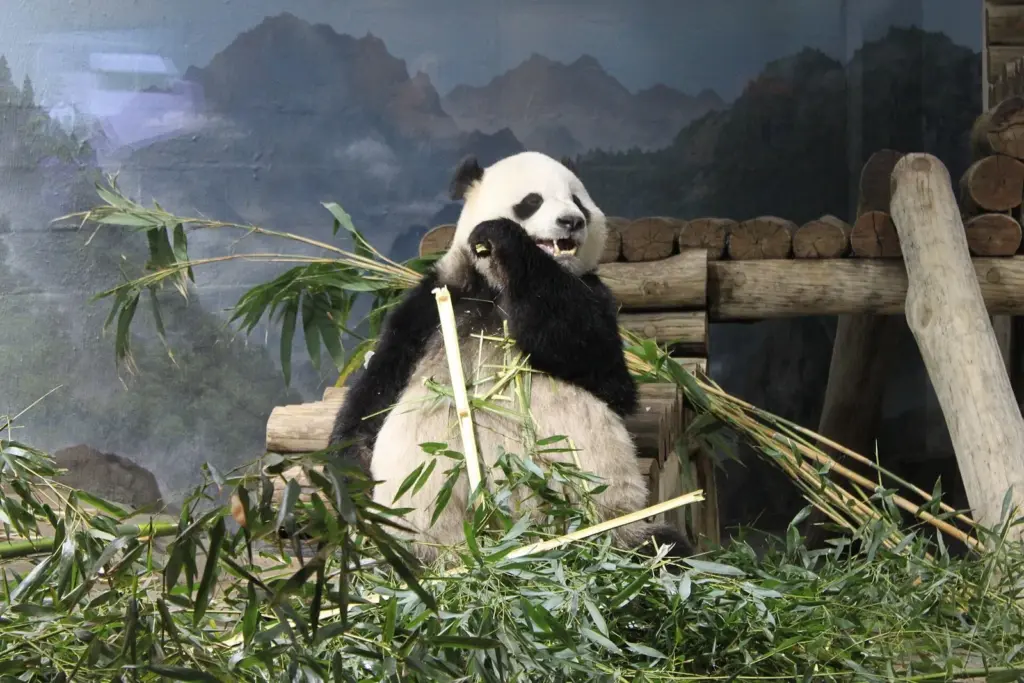
Covered by the regular entry pass; no separate panda ticket. Washington’s pandas are back. Bao Li, a male, and Qing Bao, a female, made their public debut on January 24, 2025, and they’re the reason many families book the zoo at all. The panda habitat sits on Asia Trail near the top of the zoo, so they’re a natural first stop.
Go early. Pandas tend to be most active around their morning feedings, and the viewing areas are calmest before 10 a.m. At busy times the zoo asks visitors to keep their panda viewing to about 10 minutes so the line keeps moving; it’s a reasonable request, and the pandas rarely do anything in minute eleven that they didn’t do in minute three. If they’re asleep when you pass, loop back after the elephants. For the latest panda news and viewing notes, the zoo’s panda page is the official source.
Plan it: Asia Trail, a few minutes’ walk inside the Connecticut Avenue entrance; grounds open 8 a.m. Free with the entry pass. Allow 20 to 30 minutes, including any wait. Best for: first-timers, families, couples.
2. Sloth bears on Asia Trail
The underrated stop on the same trail. Most people walk past the sloth bears on their way to the pandas, which is a mistake. These are shaggy, long-clawed bears from South Asia that live largely on termites and ants, and they eat like vacuum cleaners: lips pushed out, noisy, completely unbothered by an audience. The zoo lists watching sloth bears slurp ants among its daily keeper demonstrations, so check the demo schedule and time your pass through Asia Trail around it.
Plan it: Asia Trail, near the pandas. Free with the entry pass. Allow 10 to 15 minutes, longer during a demo. Best for: families, anyone with a child who likes gross-out eating.
3. Asian elephants on Elephant Trails
Outdoors only for now: the indoor barn is closed to the public. The zoo’s Asian elephants live on Elephant Trails, a large complex of outdoor yards and paths in the middle of the zoo. As of September 2026 the Elephant Community Center, the indoor building, is temporarily closed to visitors, so you’ll see the herd outside. That’s fine on most days and a little thin on a cold one, when the elephants may be inside and out of sight.
The yards are big enough that the elephants can be far from the rail. Walk the length of the trail rather than waiting at the first viewpoint, and check the Outpost at American Trail’s upper entrance, which gives another angle on the herd. Keepers include the elephants in the daily demo schedule, and a demo is the best way to see them up close.
Plan it: Elephant Trails, in the middle of the zoo along Olmsted Walk. Free with the entry pass. Allow 20 to 30 minutes. Best for: first-timers, families.
4. The Small Mammal House
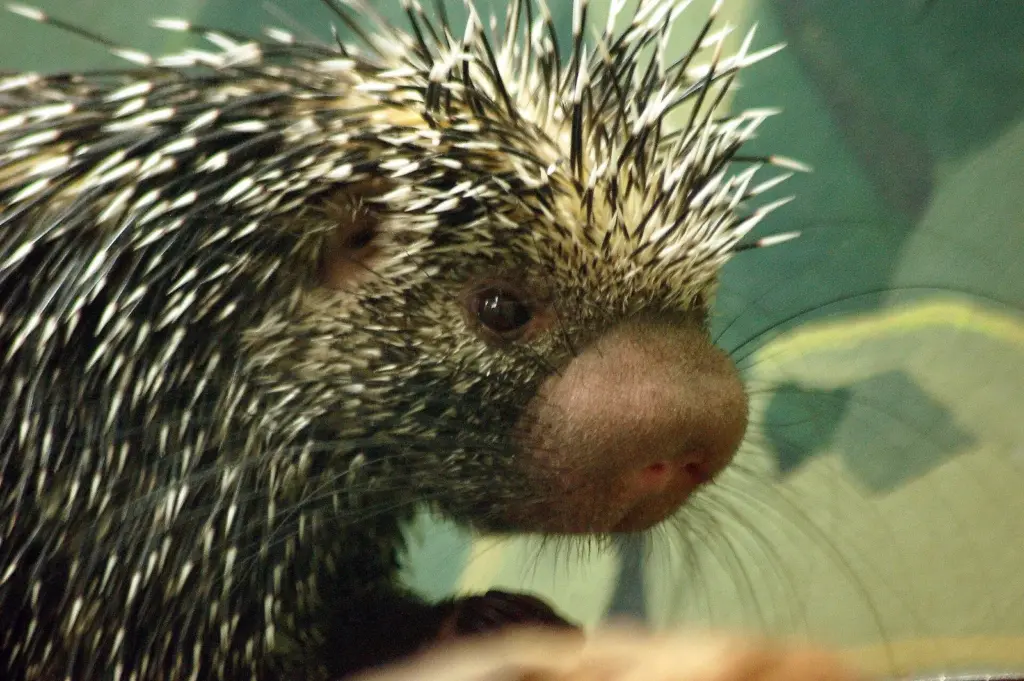
Indoors, close up, and the best rainy-day stop in the zoo. The Small Mammal House shows more than 35 species in enclosures built to mimic their wild habitats, and because the animals are small, the glass is close. Kids can see a face, not a distant shape. It’s also warm in winter and a break from the sun in summer. Remember that the animal buildings open at 9 a.m., an hour after the grounds, on the winter schedule.
Small animals are fast and often nocturnal, so some enclosures will look empty. Give each one a slow look before moving on; the animal is usually in there somewhere.
Plan it: middle of the zoo, off Olmsted Walk; buildings open 9 a.m. to 4 p.m. from mid-September to mid-March. Free with the entry pass. Allow 20 to 30 minutes. Best for: families, toddlers, rainy days.
5. Gorillas and orangutans at the Great Ape House
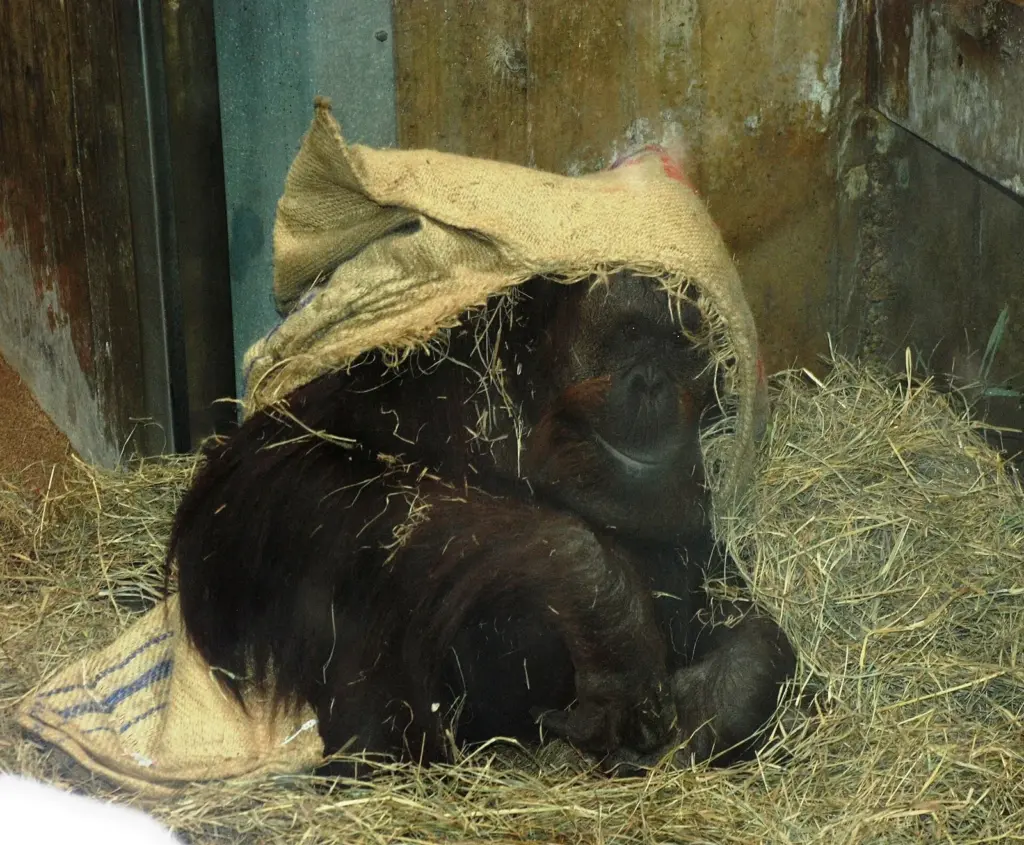
The stop adults remember. The Great Ape House holds the zoo’s western lowland gorillas and its orangutans, and apes watching people watching apes is still one of the best shows in town. Gorillas spend long stretches doing very little, then do something startlingly human, like picking through their food with the concentration of someone reading a menu. Orangutans are more playful and often more visible.
Visit the outdoor yards and the indoor areas both. On a cold morning the apes are more likely to be inside; on a mild one they may be out in the yards. Don’t tap the glass; it stresses the animals, and keepers will tell you so.
Plan it: middle of the zoo, off Olmsted Walk; indoor areas follow building hours. Free with the entry pass. Allow 20 to 40 minutes. Best for: first-timers, families, teens, rainy days.
6. Amazonia
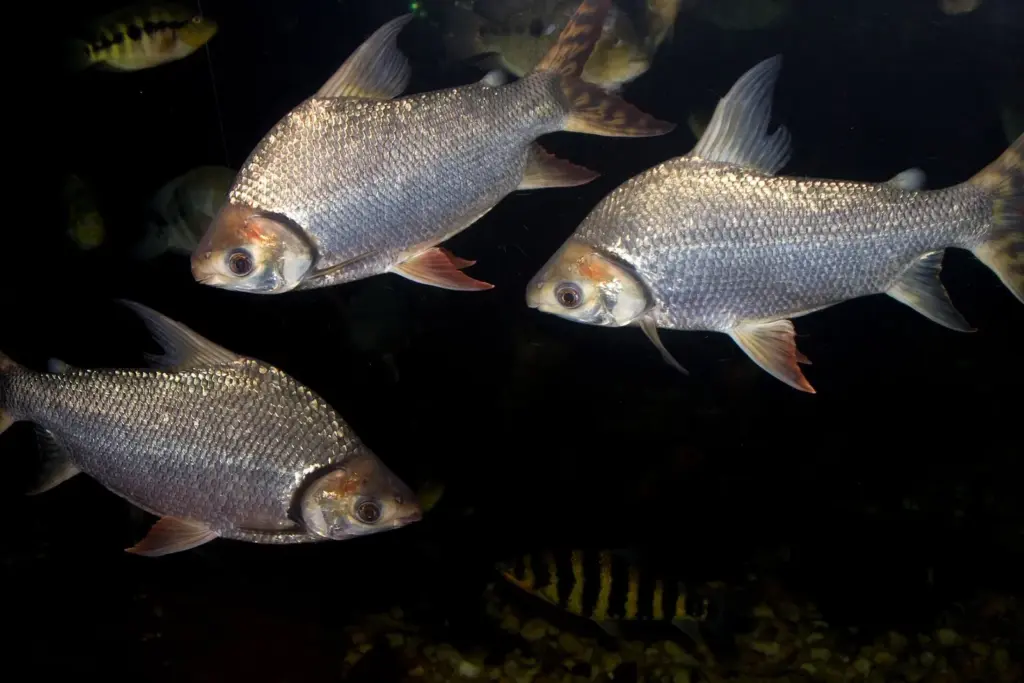
An indoor rainforest in the lower zoo, and the warmest room in the park. Amazonia recreates a tropical rainforest, with mammals, birds, fish, reptiles and amphibians moving freely through the habitat rather than sitting in separate cages. The fish tanks are a highlight for small children, who can press their noses to the glass at eye level. On a gray January morning, the humid air inside is a real treat; in August it’s the opposite, so go early in the day.
Because it’s in the lower zoo, Amazonia pairs naturally with American Trail and lunch at Mane Grill. Do all three together, then start the climb.
Plan it: lower zoo; indoor, building hours apply. Free with the entry pass. Allow 30 minutes. Best for: families, toddlers, rainy days, winter visits.
7. Sea lions and seals on American Trail
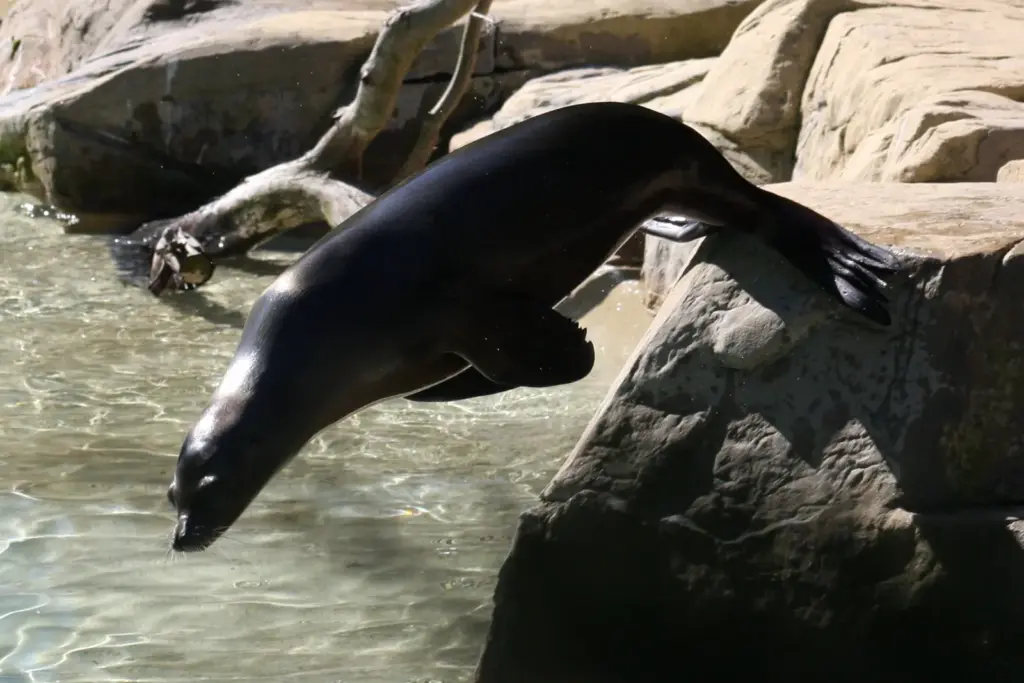
Time your arrival to the training demo. American Trail, in the lower zoo, is the zoo’s North American section, and its star is the pool of sea lions and seals. Watching them rocket around the rocks is fun at any time; watching them during a keeper training demo, when they show off natural behaviors on cue and snap up fish, is better. A zoo keeper profile gives the demos as 11:15 a.m. and 1:15 p.m. daily, but confirm on the day’s demo schedule before you plan around them.
Plan it: lower zoo, along American Trail. Free with the entry pass. Allow 20 minutes, 30 with a demo; arrive 10 minutes early for a spot at the rail. Best for: families, toddlers, first-timers.
Daily animal demos and feeding times
The zoo’s keepers run a set of short demonstrations every day, and they’re the best way to see the animals doing something rather than sleeping. The daily animal demos page lists the day’s schedule, and the zoo’s own examples include meeting the elephants, watching the sloth bears slurp ants and seeing the sea lions catch fish.
Pick one or two demos and build your route around them rather than trying to catch everything. The sea lion demo in the lower zoo and a demo on Asia Trail are a sensible pair: one near the top early, one near the bottom late in the morning, with the middle of the zoo in between. Demos can be canceled for weather or the animals’ needs, and times shift by season, so check the schedule on the morning of your visit, not the week before.
Food at the zoo, and whether to bring your own
You’re allowed to bring your own food and snacks into the zoo, and for most families that’s the right call. Pack lunch and water, buy one treat inside, and you’ll save money and time in lines.
If you’d rather buy, here’s what’s there, per the zoo’s food and shopping page:
- Mane Grill, in the lower zoo, has indoor seating, burgers, sandwiches and hot dogs from Elevation Burger, and ice cream. It’s the obvious lunch stop between Amazonia, American Trail and the climb back up.
- The Giant Panda Overlook sells snacks like soft pretzels, churros, frozen lemonade and ice cream from an outdoor counter that opens in warmer months.
- Food trucks around the park sell drinks and snacks, including popcorn, coffee, ice cream, BBQ, beer and cocktails.
The Visitor Center near the main gate has restrooms and water fountains, so bring a refillable bottle. For a proper meal before or after, Connecticut Avenue in both Cleveland Park and Woodley Park has a strip of casual restaurants within a few minutes’ walk of the stations.
Strollers, wheelchairs and the hill
The zoo rents strollers, wagons and electric scooters for a fee, and lends wheelchairs free, all first-come, first-served at the Visitor Center and at the Information Station near Lion/Tiger Hill. On a busy spring weekend the rental supply can run short, so if you have a stroller, bring it.
The paths are paved, but they are steep in stretches, especially on the long pull back up to Connecticut Avenue. A wagon full of two kids on that climb is a workout. If anyone in your group uses a wheelchair or tires easily, plan a shorter loop: the upper and middle zoo (pandas, elephants, Small Mammal House, Great Ape House) make a complete visit on their own without the full descent. The zoo’s accessibility and sensory information page covers the details, including sensory information for visitors who need a calmer visit.
A half-day National Zoo route for families
This route works on the winter schedule (grounds from 8 a.m., buildings from 9 a.m.) and assumes a weekday, a child between about 4 and 10, and an 8 a.m. entry pass. It takes four to four and a half hours with lunch.
- 7:40 a.m. Ride the Red Line to Cleveland Park and walk down Connecticut Avenue to the main entrance.
- 8:00 a.m. Go straight to Asia Trail. Pandas first, while they’re active and the viewing area is quiet, then the sloth bears next door.
- 8:50 a.m. Walk down to Elephant Trails and walk its length.
- 9:20 a.m. The buildings are open now: the Small Mammal House, then the Great Ape House.
- 10:30 a.m. Head down Olmsted Walk past Lion/Tiger Hill to American Trail, and settle in at the sea lion pool for the 11:15 demo if the day’s schedule confirms it.
- 11:45 a.m. Amazonia, then lunch at Mane Grill or your own picnic.
- 12:45 p.m. Climb back up Olmsted Walk, with a detour back to the pandas if they were asleep at 8.
- 1:30 p.m. Leave by the Connecticut Avenue gate and walk downhill to Woodley Park.
With toddlers, cut steps 5 and 6 and stay in the upper and middle zoo. With teenagers, flip the order: start in the lower zoo, where the crowds arrive later, and finish with the pandas and apes.
The zoo by season, including ZooLights
Spring. The long hours return on March 15, the trees fill in, and the crowds arrive with them. Cherry blossom season and spring break stack up in late March and April, so book passes early and start at 8 a.m.
Summer. The heat is the problem, not the crowds. Go at opening, do the outdoor habitats before 11 a.m., and use the indoor houses to break up the hottest hours.
Fall. The shorter winter schedule starts on September 15, which means a 4 p.m. close even on warm October days. Otherwise this is the best season for the zoo: cooler walking, active animals and quieter weekdays once school is back. Keep an eye on the December 11, 2026 funding deadline if you’re visiting late in the year.
Winter. Short days, cold mornings and animals that sensibly stay inside when it’s frigid. The trade-off is space: a weekday in January can feel like a private zoo. Lean on the indoor houses, Amazonia and the Great Ape House.
ZooLights
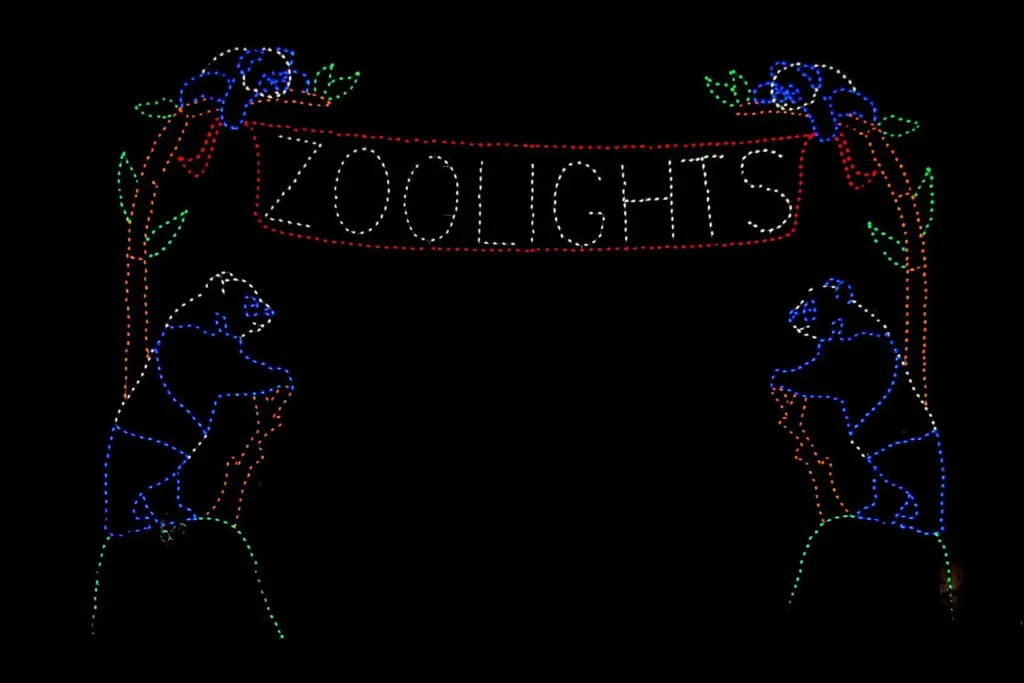
ZooLights is the zoo’s holiday light festival, and it’s a separate event with its own paid ticket. The 2025-26 season ran on select nights from November 21, 2025 to January 3, 2026, 5 p.m. to 9:30 p.m. Monday through Saturday (last entry at 9) and 5 p.m. to 8:30 p.m. on Sundays. Tickets were $9 per person for everyone over 2, and parking was $30. The zoo hadn’t announced the 2026-27 dates or prices as of late September 2026, so treat last season as a guide only and check the zoo’s site. You’re there for the lights more than the animals, and it’s a good outing on its own terms.
What’s changed at the zoo, and what to skip
If your last visit was a few years ago, these are the changes that matter, as of September 2026:
- The pandas are back. Bao Li and Qing Bao have been on public view since January 24, 2025.
- Parking went up on October 1, 2025, to $30 booked ahead and $40 on the day.
- Africa Trail is under renovation, along with the zoo’s Arabian leopard habitat. The zoo expects Africa Trail to be finished by early 2027, so skip it in your plans until then.
- The Elephant Community Center is closed to the public; the elephants are viewed outdoors.
- Shutdowns close the zoo. It shut from October 12, 2025 until mid-November during the last one.
And the things we’d skip:
- The uphill walk from Woodley Park on the way in. Use Cleveland Park.
- Same-day parking. Booking a day ahead saves $10.
- Pairing the zoo with the Mall on the same morning. It’s up the Red Line and fills half a day on its own. Do the zoo at 8 a.m. and the museums after lunch.
- The midday panda push on a spring Saturday. Come back at 8 a.m. on a weekday.
- A rental stroller if you own one. Supply is first-come, first-served, and your own is better on the hill anyway.
The zoo is one strong morning. For the rest of a family trip, including museums that work for small children and rainy-day backups, our family guide to Washington DC picks up where this page leaves off.
National Zoo FAQ
Is the National Zoo free?
Yes. Smithsonian’s National Zoo charges nothing for entry, as of September 2026. You do need a free timed entry pass for every person in your group, including infants, reserved on the zoo’s website up to 30 days ahead. Parking, ZooLights, food and stroller rentals cost money; the animals, the paths and the demos don’t.
Do you need a pass or ticket to visit the National Zoo?
You need a free timed entry pass for each person, babies included; there is no paid admission ticket. Passes are released 30 days ahead on a rolling basis on the zoo’s website. The pass covers the giant pandas, so there’s no separate panda ticket. Book early for spring weekends and holidays, when passes go fastest.
What are the National Zoo’s hours?
From September 15 to March 14, the grounds are open 8 a.m. to 4 p.m., with last entry at 3 p.m., and the animal buildings open 9 a.m. to 4 p.m. From March 15 to September 14, the grounds stay open until 6 p.m. The zoo is closed on December 25 and during government shutdowns.
How much does parking cost at the National Zoo?
As of September 2026, parking costs $30 if you buy it at least a day ahead and $40 if you buy it on the day, rates the zoo introduced on October 1, 2025. Lots can fill on busy spring weekends, and nearby street parking is mostly time-limited, so book ahead or take the Metro.
What is the closest Metro stop to the National Zoo?
Two Red Line stations serve the zoo: Cleveland Park and Woodley Park-Zoo/Adams Morgan. Arrive at Cleveland Park, because the roughly 10-minute walk south to the main gate on Connecticut Avenue is mostly downhill. Leave toward Woodley Park, which is downhill from the gate. Doing it the other way means climbing both times.
Are the giant pandas at the National Zoo?
Yes. Bao Li, a male, and Qing Bao, a female, have been on public view on Asia Trail since January 24, 2025. The regular free entry pass covers them. Visit early, when the pandas are often more active, and expect a request to limit viewing to about 10 minutes at busy times.
How long do you need at the National Zoo?
Two hours covers the pandas, the elephants and one or two animal houses in the upper and middle zoo. A full loop down to American Trail and Amazonia and back up takes three to four hours at a child’s pace, or about half a day with lunch and a keeper demo or two.
Can you bring food into the National Zoo?
Yes. The zoo allows visitors to bring their own food and snacks, and packing lunch saves money and time. If you’d rather buy, Mane Grill in the lower zoo has indoor seating and burgers, and food trucks around the park sell snacks, coffee, ice cream and drinks. Water fountains are at the Visitor Center.
Related Washington DC Guides
- Things to Do in DC with Kids: the full family plan, from museums that work for toddlers to rainy-day backups and free activities.
Sources and How We Checked
Every price, hour, pass rule and closure on this page was checked on September 30, 2026 against the official sites below; the page was compiled from those sources, and we don’t claim first-hand visits.
- Smithsonian’s National Zoo: hours, entry passes and parking
- Smithsonian’s National Zoo: giant pandas
- Smithsonian’s National Zoo: exhibits and renovations
- Smithsonian’s National Zoo: daily animal demos
- Smithsonian’s National Zoo: food and shopping
- Smithsonian’s National Zoo: visitor FAQs and rentals
We also used WMATA’s station information for the Red Line, the zoo’s accessibility page, and NPR’s reporting on the 2025 shutdown closures.
Washington DC Tourism Guide is an independent publication. We are not affiliated with Destination DC, the National Park Service, the Smithsonian Institution or any attraction listed here, and no one paid to be included.
Photo Credits
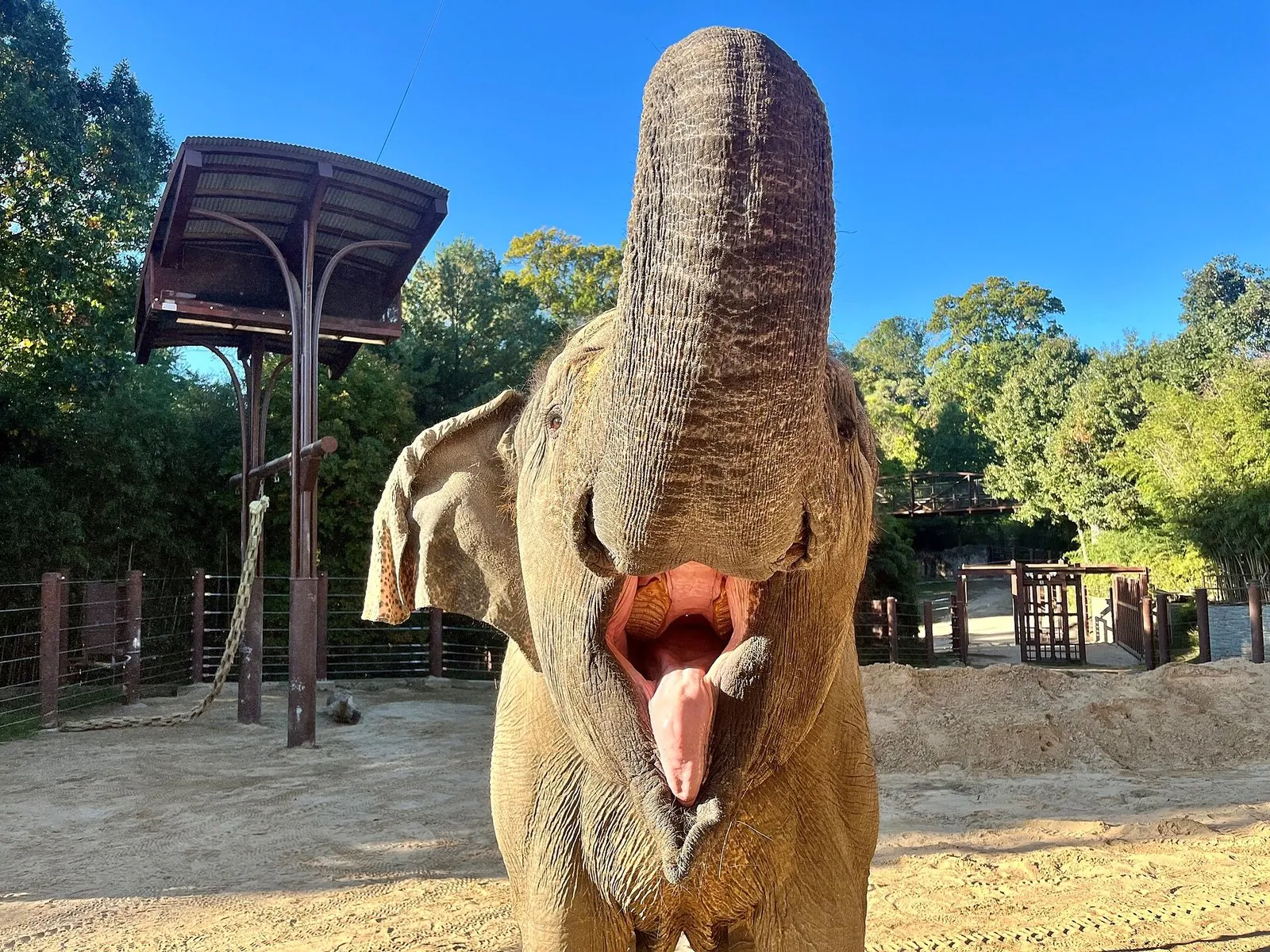
- An Asian elephant in its outdoor yard: photo by Robbie Clark, Smithsonian’s National Zoo and Conservation Biology Institute, via Wikimedia Commons (Public domain)
- Giant panda Bao Li on Asia Trail: photo by Melina Kolburn, via Wikimedia Commons (CC BY-SA 4.0)
- Brazilian porcupine in the Small Mammal House: photo by Carly Lesser & Art Drauglis from Washington, DC, via Wikimedia Commons (CC BY-SA 2.0)
- Orangutan in the Great Ape House: photo by Jarek Tuszyński, via Wikimedia Commons (CC BY-SA 3.0)
- Flagtail characins in Amazonia: photo by Mehgan Murphy, via Wikimedia Commons (CC0)
- California sea lion diving: photo by Jarrett Campbell from Cary, NC, USA, via Wikimedia Commons (CC BY 2.0)
- ZooLights sign: photo by Cliff from Arlington, Virginia, USA, via Wikimedia Commons (CC BY 2.0)