The best museums in Washington DC mostly cost nothing, and that changes the question you should be asking. It isn’t which ones are worth the money. It’s which ones are worth a morning. One mile of the National Mall holds the Hope Diamond, the Star-Spangled Banner and the only Leonardo da Vinci painting in the Americas, and any of the big museums can swallow three hours without trying. Several also want a timed pass booked ahead now. So this list ranks 40 museums by how much they give a first-time visitor and how easily they fit a trip, and it spells out what each one needs: cost, pass, hours, nearest Metro and how long to allow.
Quick answer: Start with the National Museum of African American History and Culture, the National Museum of Natural History, the National Air and Space Museum and the National Gallery of Art. All four are free, and two of them need a free timed pass. Add the Holocaust Museum this fall, before its permanent exhibition closes to the public in January 2027. If you pay for one museum, make it the Spy Museum. Plan on two big museums a day, not four.
Last updated September 24, 2026. Hours, prices and pass rules were checked that day against the museums’ and agencies’ own websites.
- Free: 28 of the 40 museums below charge nothing to get in, including every Smithsonian museum and the National Gallery of Art.
- Timed passes (September 2026): African American History and Culture, Air and Space on the Mall, the Holocaust Museum’s Permanent Exhibition, the Library of Congress and Glenstone. The National Archives takes optional reservations.
- Smithsonian hours: most museums open 10am to 5:30pm daily and close only on December 25. The Portrait Gallery and American Art Museum stay open until 7pm.
- Shutdown risk: federal funding runs through December 11, 2026. If it lapses, Smithsonian museums close.
On this page: At a glance | How to choose | Timed passes | The top 10 | More Smithsonian | Art museums | History and ideas | Historic houses | Military museums | Gardens and kids | Paid museums | Map | Museum days | What’s changed | Practical tips | FAQ
The top 10 at a glance
Hours and prices as of September 2026. “Allow” is the time a curious adult actually spends, not the time it takes to walk through.
| Museum | Cost | Pass or ticket | Hours | Allow |
|---|---|---|---|---|
| African American History and Culture | Free | Free timed pass, all ages | 10am-5:30pm daily (last entry 4pm) | 3-4 hours |
| Natural History | Free | None | 10am-5:30pm daily | 2-3 hours |
| Air and Space (Mall) | Free | Free timed pass, all ages | 10am-5:30pm daily | 2-3 hours |
| National Gallery of Art | Free | None | 10am-5pm daily | 2-4 hours |
| Holocaust Museum | Free ($1 online fee) | Timed ticket for the Permanent Exhibition | 10am-5:30pm; closed Yom Kippur and Dec 25 | 3 hours |
| American History | Free | None | 10am-5:30pm daily | 2 hours |
| National Archives Museum | Free | Optional reservation | 10am-5:30pm daily | 1-1.5 hours |
| National Portrait Gallery | Free | None | 11:30am-7pm daily | 1.5-2 hours |
| International Spy Museum | Paid, dynamic pricing | Dated ticket | Fall and winter: 10am-6pm weekdays, 9am-7pm Sat, 9am-6pm Sun | 2-3 hours |
| Planet Word | Free | None | 10am-5pm (6pm weekends); closed Tue | 1.5-2 hours |
How to choose museums in Washington DC without burning out
The mistake almost everyone makes is treating the museums like a checklist. They’re free, they sit next to each other, and it feels wasteful to walk past one. But museum fatigue is real, and it arrives around the three-hour mark whether you’ve seen one museum or four. The visitors who come home happy usually did two big museums a day, one in the morning and one after lunch, and filled the evening with something outdoors.
Three rules make that work. First, put the pass museums in the morning. The African American history museum and Air and Space both run on timed passes, and a 10am slot means you’re inside before the tour groups settle in. Second, pair a heavy museum with a light one. The Holocaust Museum’s Permanent Exhibition is emotionally draining; follow it with the gardens or the Portrait Gallery, not with another three hours of history. Third, save the late openers for late. The National Portrait Gallery and the Smithsonian American Art Museum stay open until 7pm, which makes them the natural finish to a day on the Mall.
If you’re short on time, match the museum to the person. Space fans should put Air and Space first and consider the Udvar-Hazy Center out in Virginia. Art lovers get more from a morning at the National Gallery and an afternoon at the Phillips than from racing through six galleries. Families with young children do best at Natural History, the Postal Museum and Planet Word. For the Smithsonian’s full lineup, with every museum’s hours and highlights, see our guide to the Smithsonian museums. To fit museums around the monuments and neighborhoods, our guide to things to do in Washington DC has the bigger picture.
Which DC museums need tickets or timed passes?
Fewer than you’d think, but the ones that do are among the most popular. A timed pass is a free reservation for a specific entry time. You book it online and show the QR code on your phone at the door. At the African American history museum, for example, you can enter any time from your pass time until 4pm. Here’s where things stood in September 2026:
| Museum | What you need | When passes open | Ways in without one |
|---|---|---|---|
| African American History and Culture | Free timed pass, every age | 30 days ahead, rolling; same-day passes online from 8:15am ET | Veterans, active-duty military and first responders with ID |
| Air and Space (Mall) | Free timed pass, every age | Book on the museum’s website | None |
| Holocaust Museum | Free timed ticket for the Permanent Exhibition; $1 fee online | Dates through December 2026 on sale now; same-day release online at 7am ET | Daniel’s Story and special exhibitions need no ticket |
| Library of Congress | Free timed-entry ticket | 30 days ahead; same-day online at 9am ET | None listed |
| National Archives Museum | Optional: free general or $1 timed reservation | Book through Etix | Walk-ins welcome, but peak lines can top an hour |
| Glenstone | Free timed ticket | 1st of each month at 10am, for that month and the next | Students 12+, educators, military, veterans and Ride On route 301 riders |
| National Museum of the U.S. Army | Free timed ticket (encouraged) | Reserve online | Walk-up tickets available |
The practical advice: book the African American history museum the moment your dates are fixed, because its 30-day window fills fastest. If you miss it, set an alarm for 8:15am on the day. Every other Smithsonian museum on the Mall, including Natural History and American History, is walk-in. The Spy Museum sells dated tickets that get cheaper the earlier you book; the Museum of the Bible works the other way, with half-price walk-ups late in the day.
The 10 best museums in Washington DC
These are ranked by what they give a first-time visitor, with practicality as the tiebreaker. Seven are free.
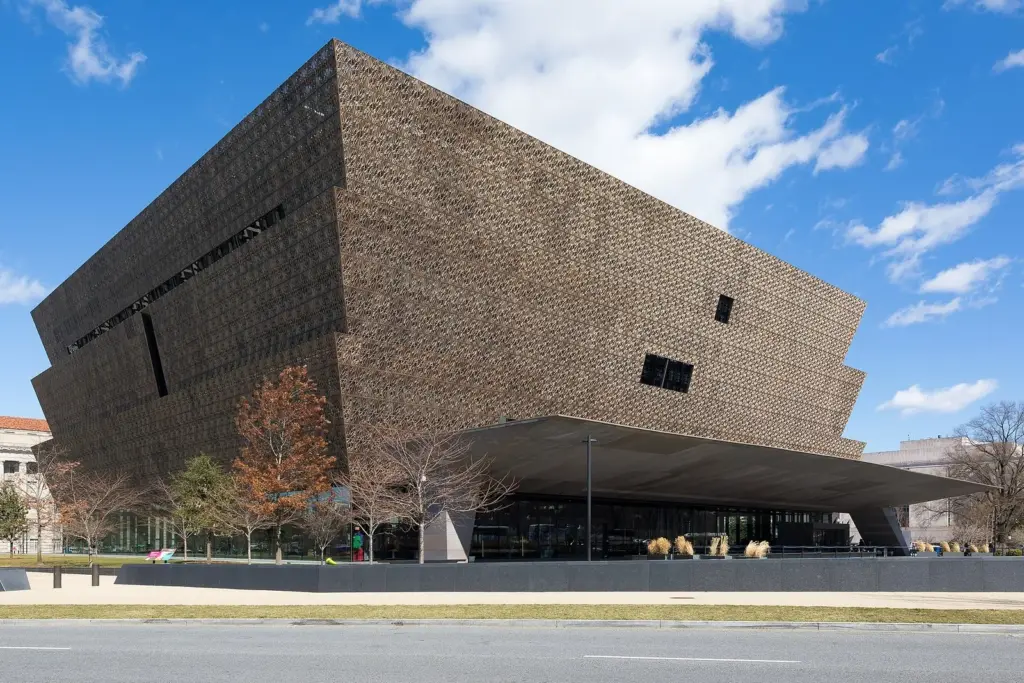
1. National Museum of African American History and Culture
Free, timed pass required. If you see one museum in Washington, make it this one. It opened on September 24, 2016, and its bronze-latticed building at 14th Street and Constitution Avenue has been the hardest ticket on the Mall ever since. The history galleries start underground and climb through time, from the slave trade through Reconstruction, segregation and the civil rights movement to the present. The upper floors turn to music, sports, food and art, and they’re easier to dip into when you’re tired. Do the history galleries first, while you have the most energy; they can take two or three hours on their own.
Plan it: 10am to 5:30pm daily, last entry 4pm, closed December 25 (as of September 2026). Free timed passes are required for every age and release 30 days ahead on a rolling basis, up to nine per booking; same-day passes go online at 8:15am ET on the museum’s website. Veterans, active-duty military and first responders can enter with ID. Entrances are at 15th Street and Madison Drive. Metro: Federal Triangle (Blue, Orange, Silver lines), 8-minute walk. Allow 3 to 4 hours. Best for: first-timers, adults, teens.
2. National Museum of Natural History
Free, no pass. The easiest big museum to do well in 90 minutes, and the one children remember. The Hope Diamond sits on the second floor, and the Hall of Fossils: Deep Time, with around 700 fossils, fills much of the first. The elephant in the rotunda is the classic meeting point, which is also why the rotunda is the most crowded spot in the building. Go straight upstairs to the gems first, then work back down to the dinosaurs.
Plan it: 10am to 5:30pm daily, closed December 25 (as of September 2026). Free, no pass. Entrances on Madison Drive and on Constitution Avenue at 10th Street. Metro: Smithsonian or Federal Triangle (Blue, Orange, Silver lines), 5-minute walk. Allow 2 to 3 hours. Best for: families, first-timers, rainy days.
3. National Air and Space Museum
Free, timed pass required. The Mall building is near the end of a years-long renovation. As of September 2026, 18 of its 20 renovated galleries are open, including the Milestones of Flight hall, and the last two are scheduled: At Home in Space on October 30 and Modern Military Aviation on November 11, 2026. The 1903 Wright Flyer and the Apollo 11 command module are both back on view. One casualty for Trekkies: the original Star Trek Enterprise model is off display until late fall.
Plan it: 10am to 5:30pm daily, closed December 25 (as of September 2026). Free timed passes are required for all ages; book on the museum’s visit page. The only entrance is on Jefferson Drive (650 Jefferson Dr SW). Metro: L’Enfant Plaza (Blue, Orange, Silver, Green, Yellow lines), 5-minute walk. Allow 2 to 3 hours. Best for: families, space fans, first-timers.
4. National Gallery of Art
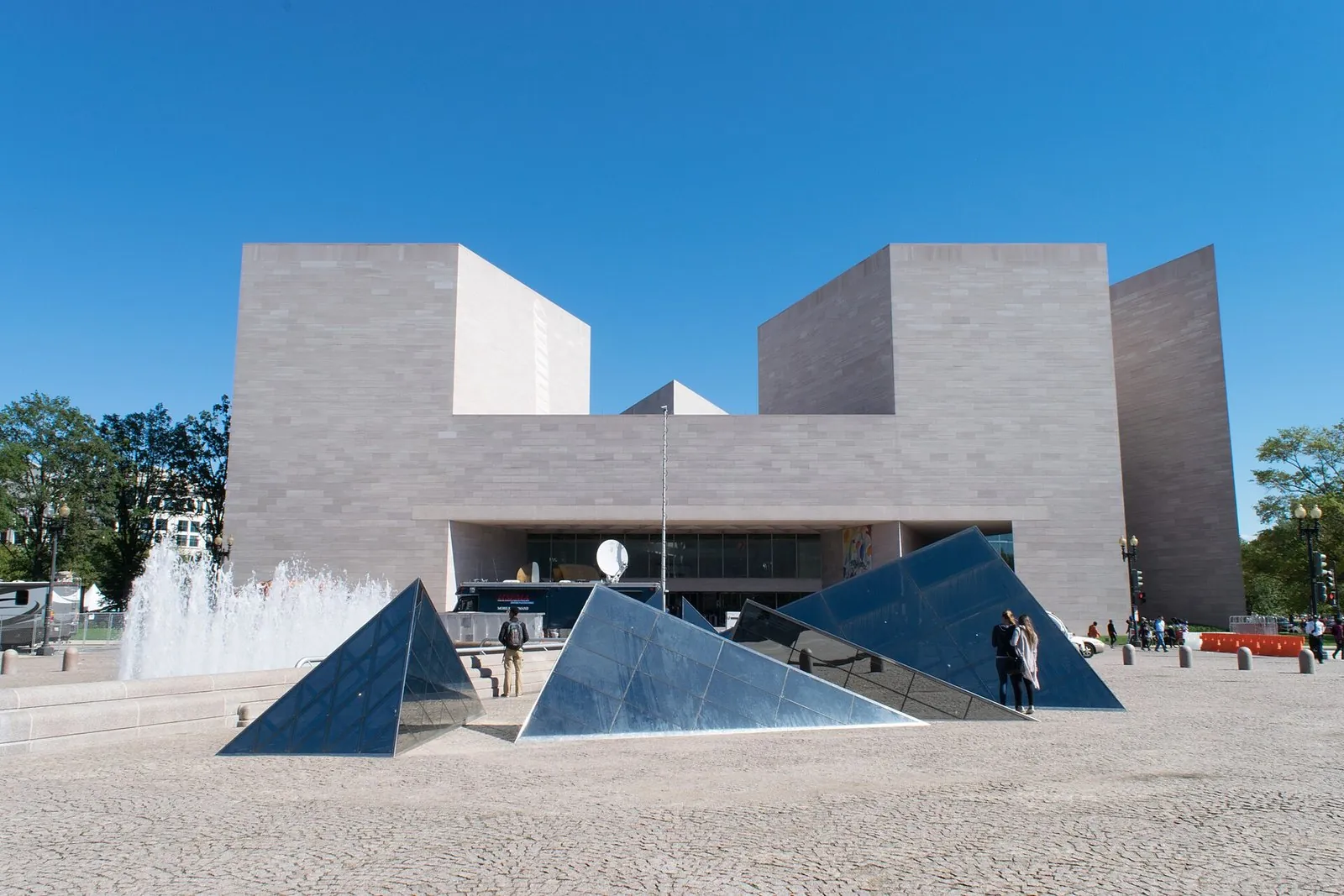
Free, no pass. Not part of the Smithsonian, though most visitors assume it is. The West Building holds European and American painting and sculpture, including Ginevra de’ Benci, the only Leonardo da Vinci painting in the Americas. The East Building, designed by I.M. Pei, holds modern and contemporary art, and an underground concourse links the two. Outside is the Sculpture Garden, whose fountain turns into an ice rink in winter. It’s the best place in DC to spend a slow morning, and it rarely feels crowded the way the Smithsonian museums across the Mall do.
Plan it: 10am to 5pm daily (as of September 2026). Free, no pass; see the Gallery’s visit page. The ice rink ran from November 24, 2025 to March 1, 2026 at $15 a session; check the Gallery’s visit page for the 2026-27 season. Summer Jazz in the Garden uses a weekly lottery. Metro: Archives-Navy Memorial-Penn Quarter (Green, Yellow lines), 3-minute walk. Allow 2 to 4 hours. Best for: art lovers, couples, rainy days.
5. United States Holocaust Memorial Museum
Free, timed ticket required for the Permanent Exhibition. This fall is the last chance for a while. The museum says tickets for its current Permanent Exhibition won’t be available to the public once construction of a new one begins in January 2027, and the new exhibition isn’t due until 2029. The existing exhibition moves chronologically over three floors, from the Nazi rise to power through the camps and liberation, and it’s as hard as you’d expect. Daniel’s Story, a separate exhibition told through one boy’s eyes, is aimed at families and needs no ticket.
Plan it: 10am to 5:30pm daily, closed Yom Kippur and December 25; last entry to the Permanent Exhibition 4:30pm (as of September 2026). Free timed tickets carry a $1 Etix fee each; dates through December 2026 are on sale, and a limited batch of same-day tickets goes online at 7am ET on the museum’s tickets page. Metro: Smithsonian (Blue, Orange, Silver lines), 5-minute walk. Allow 3 hours, then something gentle. Best for: adults, older teens.
6. National Museum of American History
Free, no pass. It isn’t as essential as its neighbors, but the flag alone earns the stop. The Star-Spangled Banner that flew over Fort McHenry in 1814, 30 by 34 feet, hangs in a dim chamber where photos aren’t allowed. Dorothy’s ruby slippers are at the entrance to the Entertainment Nation exhibition. It sits right next to Natural History and the African American history museum, which makes it an easy second museum of the day.
Plan it: 10am to 5:30pm daily, closed December 25 (as of September 2026). Free, no pass. Metro: Smithsonian or Federal Triangle (Blue, Orange, Silver lines), 5-minute walk. Allow 2 hours. Best for: families, pop-culture fans, first-timers.
7. National Archives Museum
Free, reservation optional. You come for three documents, the Declaration of Independence, the Constitution and the Bill of Rights, shown in the dim Rotunda. Many people leave surprised at how faded the Declaration is. There’s more: a 1297 Magna Carta is on view, and the special exhibition Free and Independent runs from April 25, 2026 to July 5, 2027.
Plan it: 10am to 5:30pm daily (as of September 2026). Free; reservations through the Archives’ ticket page are optional, either free general admission or a $1 timed slot. Walk-in waits can pass an hour at peak times, so reserve in spring and summer. Metro: Archives-Navy Memorial-Penn Quarter (Green, Yellow lines), 2-minute walk. Allow 1 to 1.5 hours. Best for: first-timers, history buffs.
8. National Portrait Gallery
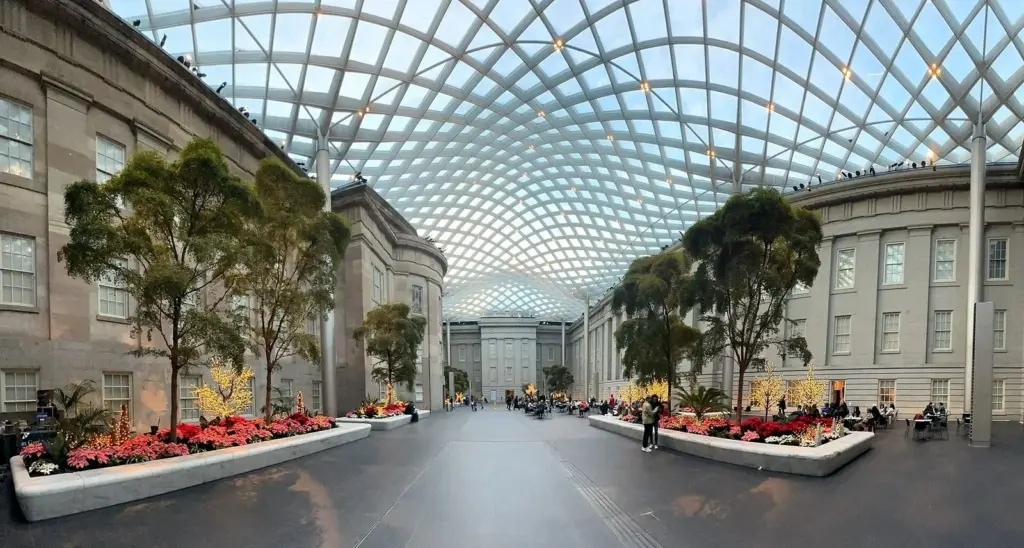
Free, no pass, open until 7pm. The best late-afternoon museum in the city. America’s Presidents is the draw, the country’s only complete collection of presidential portraits outside the White House, but the rest of the building is full of faces you’ll recognize from sports, music and politics. It shares the old Patent Office Building with the Smithsonian American Art Museum, and between them sits the Kogod Courtyard, a glass-roofed hall with trees and free seating. It’s the best indoor place in DC to sit down.
Plan it: 11:30am to 7pm daily, closed December 25 (as of September 2026). Free, no pass. Entrances on 8th Street and at F and G Streets NW. Metro: Gallery Place-Chinatown (Red, Green, Yellow lines), 1-minute walk. Allow 1.5 to 2 hours. Best for: late afternoons, couples, rainy days.
9. International Spy Museum
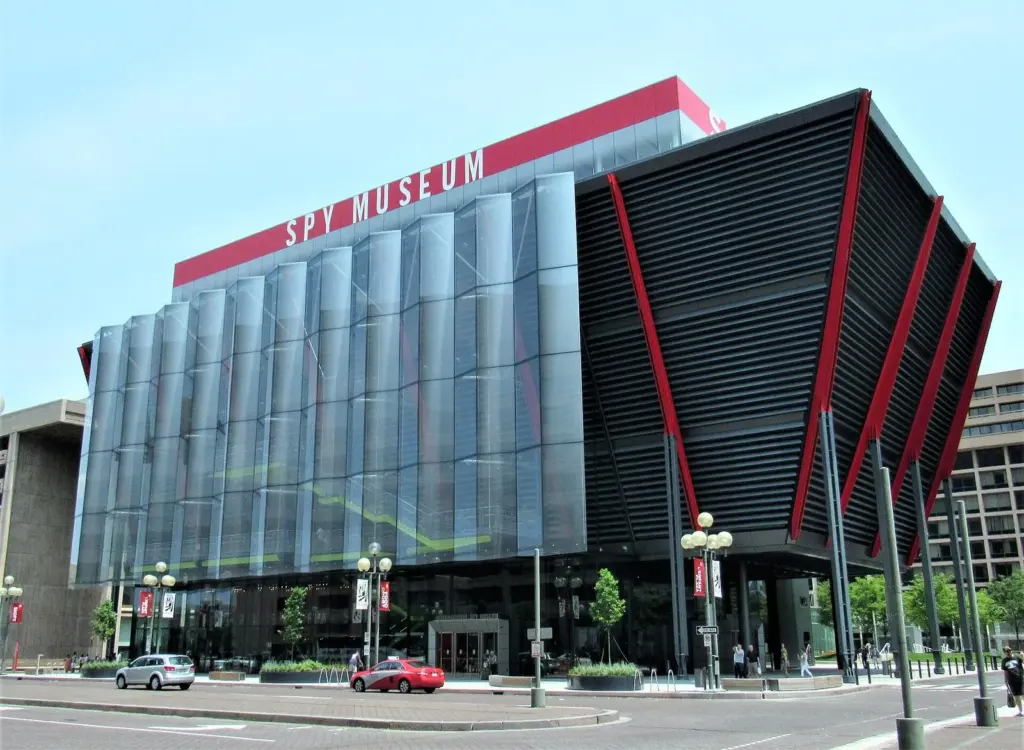
Paid, cheaper booked ahead. The paid museum most worth the money. You’re handed a cover identity at the start and tested on it as you go, which keeps teenagers engaged in a way the free museums often don’t. The collection of real gadgets, from concealed cameras to escape kits, is excellent, and the current exhibition, Camouflage: Designed to Deceive, fits the theme. The building at L’Enfant Plaza is a short walk south of the Mall.
Plan it: September to February, 10am to 6pm Monday to Friday, 9am to 7pm Saturday, 9am to 6pm Sunday (as of September 2026). Tickets use dynamic pricing, with up to 30% off when you plan ahead, and children 6 and under are free; see the Spy Museum’s site for the price on your date. Metro: L’Enfant Plaza (Blue, Orange, Silver, Green, Yellow lines), 3-minute walk. Allow 2 to 3 hours. Best for: teens, couples, rainy days.
10. Planet Word
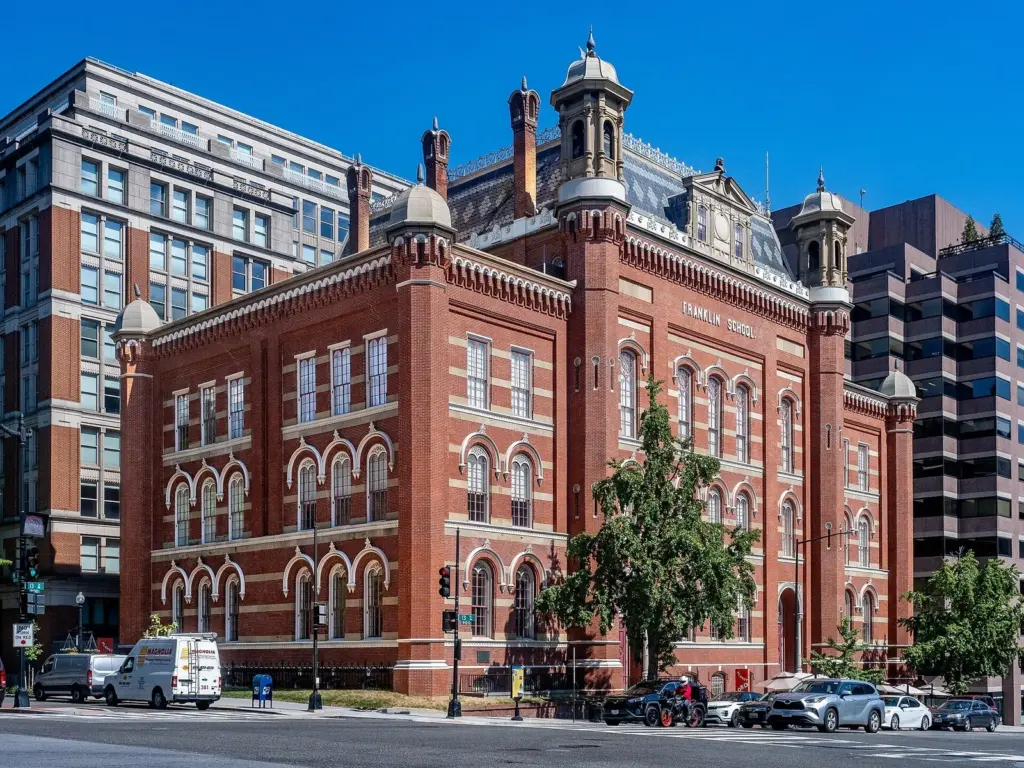
Free, no pass. A museum about language sounds like homework. This one isn’t. You talk to the exhibits, sing into them, and play word games in rooms built around how people learn and use language, and it works as well for a curious 10-year-old as for an adult who does the crossword in pen. It fills the restored 1869 Franklin School on Franklin Square, a few blocks from the White House, and it’s a smart choice when the Mall is packed.
Plan it: 10am to 5pm Monday and Wednesday to Friday, 10am to 6pm Saturday and Sunday, closed Tuesday (as of September 2026). Free; 925 13th St NW. Metro: McPherson Square (Blue, Orange, Silver lines) or Metro Center, 5-minute walk. Allow 1.5 to 2 hours. Best for: families, word lovers, rainy days.
More Smithsonian museums worth your time
The Smithsonian counts 21 museums and the National Zoo, and most of the DC ones are free walk-ins open 10am to 5:30pm daily except December 25. These are the rest of the lineup, ranked. Our complete Smithsonian guide covers each in more depth.
11. Smithsonian American Art Museum
Free, no pass, open until 7pm. The other half of the Portrait Gallery building, and more varied than its name suggests: colonial portraits, folk art, Gilded Age painting and contemporary video. The Luce Foundation Center on the upper floors is visible storage, with thousands of objects packed into glass cases, and it’s a favorite with people who like to browse.
Plan it: 11:30am to 7pm daily (as of September 2026). Free. Metro: Gallery Place-Chinatown (Red, Green, Yellow lines), 1-minute walk. Allow 1.5 hours. Best for: art lovers, evenings.
12. National Museum of the American Indian
Free, no pass. The curving limestone building at the Capitol end of the Mall looks like wind-carved rock, and inside the exhibitions are organized around Native voices rather than glass-case anthropology. Honestly, many visitors come for lunch: the Mitsitam Native Foods Cafe is one of the better museum meals on the Mall.
Plan it: 10am to 5:30pm daily; cafe 10am to 5pm (as of September 2026). Free. Metro: L’Enfant Plaza (Blue, Orange, Silver, Green, Yellow lines), 5-minute walk. Allow 1 to 1.5 hours. Best for: lunch, families, anyone curious about Native history.
13. Hirshhorn Museum and Sculpture Garden
Free, no pass. The round concrete drum on the Mall is the Smithsonian’s modern and contemporary art museum. Its sunken Sculpture Garden has been closed for a redesign by the artist Hiroshi Sugimoto and reopens on Saturday, October 31, 2026, with about 60 sculptures, around 30,000 plants and a free opening weekend on October 31 and November 1.
Plan it: 10am to 5:30pm daily (Smithsonian standard hours, as of September 2026). Free. Metro: L’Enfant Plaza or Smithsonian, 5-minute walk. Allow 1 to 1.5 hours. Best for: contemporary art fans, couples.
14. National Museum of Asian Art
Free, no pass. Two connected buildings, the Freer Gallery and the Sackler, with Chinese jades and bronzes, Japanese screens, Islamic manuscripts and, the showstopper, James McNeill Whistler’s Peacock Room, moved from a London townhouse. It’s rarely crowded, which is half the appeal.
Plan it: 10am to 5:30pm daily (as of September 2026). Free. Metro: Smithsonian (Blue, Orange, Silver lines), 2-minute walk. Allow 1 to 1.5 hours. Best for: quiet mornings, art lovers.
15. Renwick Gallery
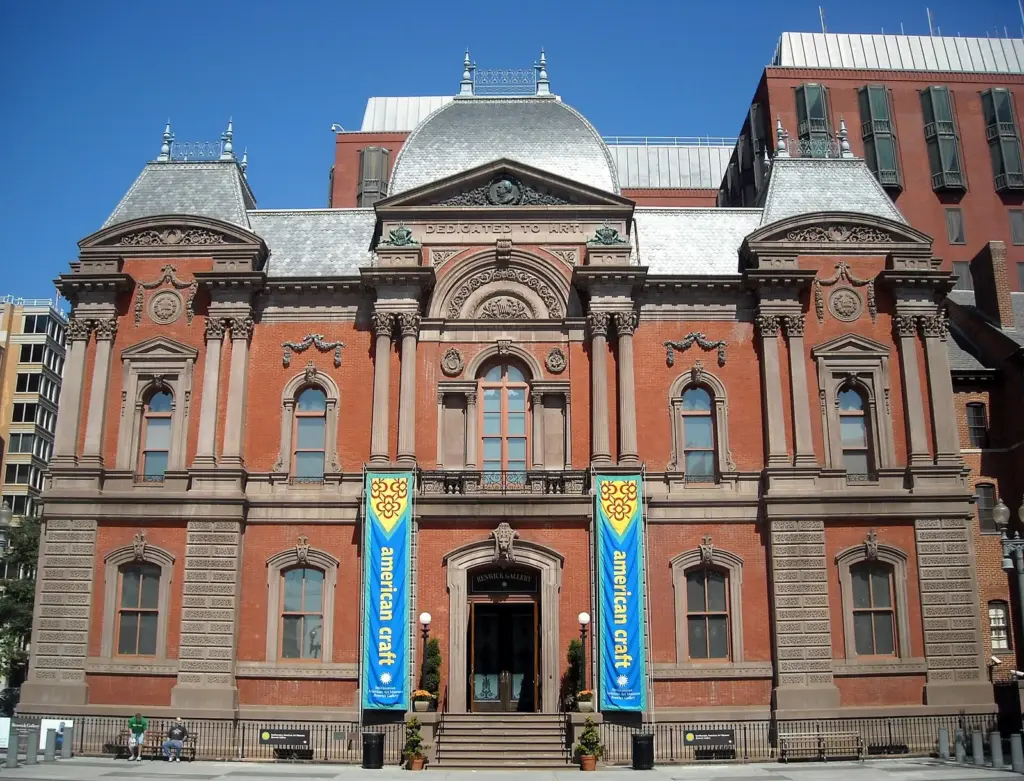
Free, no pass. A red-brick Second Empire building a block from the White House, showing American craft and decorative art: glass, wood, fiber and the occasional room-sized installation. It takes under an hour, which makes it a good add-on after a White House or Lafayette Square visit.
Plan it: 10am to 5:30pm daily (Smithsonian standard hours, as of September 2026). Free; Pennsylvania Avenue at 17th Street NW. Metro: Farragut West (Blue, Orange, Silver lines), 5-minute walk. Allow 45 minutes to 1 hour. Best for: craft lovers, short visits.
16. National Postal Museum
Free, no pass. The sleeper hit of the Smithsonian, especially with children. It’s in the old City Post Office right next to Union Station, with mail planes hanging from the atrium ceiling, stagecoaches and railway mail cars, and the world’s largest stamp gallery. It’s also the easiest museum to reach straight off an Amtrak train.
Plan it: 10am to 5:30pm daily (as of September 2026). Free. Metro: Union Station (Red line), 2-minute walk. Allow 1 to 1.5 hours. Best for: families, train arrivals, rainy days.
17. National Museum of African Art
Free, no pass. Mostly underground, entered through a small pavilion by the Enid A. Haupt Garden. Its collection spans traditional and contemporary art from across the continent, and like the Asian art museum next door, it’s calm even on busy days.
Plan it: 10am to 5:30pm daily (as of September 2026). Free. Metro: Smithsonian (Blue, Orange, Silver lines), 3-minute walk. Allow 1 hour. Best for: art lovers, quiet breaks.
18. Steven F. Udvar-Hazy Center
Free, no pass. Air and Space’s second site, in two giant hangars near Dulles Airport, is where the big aircraft live: Space Shuttle Discovery, an SR-71 Blackbird and the Enola Gay among them. Aviation fans often rate it above the Mall building. It needs half a day with the journey, so it’s a trip for people who care.
Plan it: 10am to 5:30pm daily (as of September 2026). Free and no pass needed; parking $15. Metro: Silver Line to Innovation Center, then Fairfax Connector bus 983 (about every 25 minutes at peak, hourly off-peak and on weekends). Allow 2 to 3 hours plus travel. Best for: aviation fans, families with a car.
19. Anacostia Community Museum
Free, no pass. The Smithsonian’s neighborhood museum, east of the Anacostia River, reopened on May 30, 2026. Its current exhibition, We Make History, runs through January 2028. The museum’s focus is DC’s own neighborhoods and communities, the side of the city most visitors never see.
Plan it: 10am to 5pm (as of September 2026). Free; 1901 Fort Place SE. Metro: Anacostia (Green line), then a bus or a short rideshare. Allow 1 hour plus travel. Best for: repeat visitors, anyone curious about the real city.
20. National Museum of the American Latino (Molina Family Latino Gallery)
Free, no pass. The newest Smithsonian museum doesn’t have a building yet. On August 31, 2026, the Smithsonian’s Board of Regents named the Arts and Industries Building as its permanent site, with no opening date set. For now it lives in the Molina Family Latino Gallery inside American History, where the bilingual ¡Puro Ritmo!: The Musical Journey of Salsa opened in April 2026, according to the museum.
Plan it: American History’s hours, 10am to 5:30pm daily (as of September 2026). Free. Metro: Smithsonian or Federal Triangle, 5-minute walk. Allow 30 to 45 minutes. Best for: music fans, anyone already in American History.
Art museums beyond the Smithsonian
This is where DC’s museum scene gets personal: collections built by one person or one family, in houses and small buildings away from the Mall. Most charge admission, and most are worth it.
21. The Phillips Collection
Paid; free for 18 and under. America’s first museum of modern art, opened in Duncan Phillips’s own Dupont Circle house, still feels like visiting a collector at home. Renoir’s Luncheon of the Boating Party is the famous picture, and the small Rothko Room is the one people talk about afterward. If you have one afternoon for art away from the Mall, spend it here.
Plan it: 10am to 5pm Tuesday to Saturday, 11am to 5pm Sunday, closed Monday (as of September 2026). Adults $20, 62 and over $15, military $12, students and educators $10, 18 and under free; the first floor, courtyard and cafe are free, and Third Thursdays are free from 5pm to 8pm (Phillips Collection). Metro: Dupont Circle (Red line), 3-minute walk. Allow 1.5 to 2 hours. Best for: art lovers, couples.
22. National Museum of Women in the Arts
Paid; free under 21. A museum devoted entirely to women artists, in a former Masonic temple a few blocks from the White House. Its collection runs from the Renaissance to now, and it’s one of the easier paid museums to fit in because it takes about an hour.
Plan it: 10am to 5pm Tuesday to Sunday, last entry 4:30pm (as of September 2026). $16, or $13 for 65 and over, students and DC residents; free under 21, and free for everyone on the first Sunday and second Wednesday of the month (NMWA). 1250 New York Ave NW. Metro: Metro Center (Red, Blue, Orange, Silver lines), 5-minute walk. Allow 1 to 1.5 hours. Best for: art lovers, short visits.
23. Hillwood Estate, Museum and Gardens
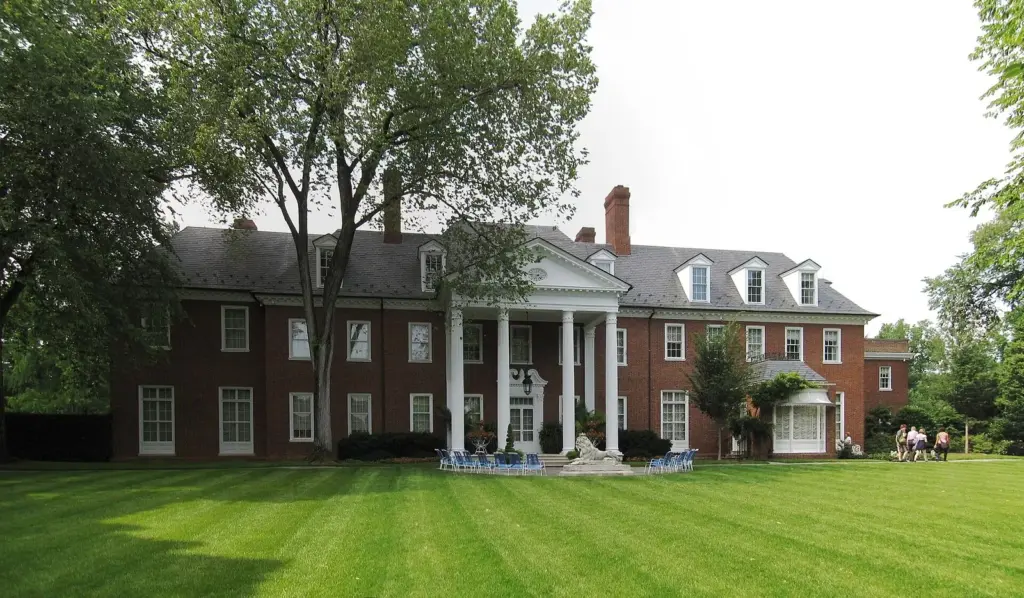
Suggested donation. Marjorie Merriweather Post, the cereal heiress, filled this Georgian-style mansion with Russian imperial art, including Fabergé eggs, and French decorative arts, then surrounded it with formal gardens, a Japanese garden and a greenhouse full of orchids. Give it half a day and go on a dry one, because the gardens are half the point.
Plan it: 10am to 5pm Tuesday to Sunday, closed Monday (as of September 2026). Suggested donation $20 adults, $17 seniors, $10 students, $5 children (Hillwood). Metro: Van Ness-UDC (Red line), about a 20-minute walk. Allow 2.5 to 3 hours. Best for: garden lovers, couples, decorative arts fans.
24. Glenstone
Free, timed ticket required. A private museum in the Maryland countryside that people plan whole trips around: minimalist pavilions set in meadows and woods, with large outdoor works by artists including Richard Serra and Jeff Koons. Visits are deliberately quiet, with limited tickets and no rush. The catch is getting there, since it’s about 15 miles from downtown in Potomac.
Plan it: Thursday to Sunday, 10am to 5pm, last entry 4:15pm (as of September 2026). Free, but tickets are required and release on the 1st of each month at 10am for that month and the next (Glenstone FAQs). Students 12 and over, educators, active-duty military, veterans and museum professionals get guaranteed entry with ID, plus one guest; so does anyone arriving on Ride On bus route 301, which stops on the grounds. 12100 Glen Road, Potomac, MD. Allow 3 hours plus travel. Best for: serious art lovers, drivers.
25. Rubell Museum DC
Paid; free for DC residents. Contemporary art from the Rubell family’s collection in the former Randall Junior High School in Southwest, a few blocks from the Wharf. The school’s bones, from classrooms to stairwells, are part of the experience.
Plan it: 11am to 5pm Wednesday, Thursday and Sunday; 11am to 6pm Friday and Saturday; closed Monday and Tuesday (as of September 2026). Free for DC residents, military and veterans with ID; everyone else pays admission, so check the price before you go (Rubell Museum). 65 I St SW. Metro: Waterfront (Green line) or Federal Center SW, about a 10-minute walk. Allow 1 to 1.5 hours. Best for: contemporary art fans.
26. ARTECHOUSE
Paid. An immersive digital-art space just off the Mall, where projections fill the walls and floor. The current show, SUBMERGE Project / Beyond the Render, runs about 45 minutes. It’s fun and very photogenic, but it’s a short, paid experience a few minutes’ walk from a dozen free museums, so it makes the most sense on an evening when those are closed.
Plan it: Thursday noon to 10pm, Friday and Saturday 10am to 10pm, Sunday noon to 8pm; Monday to Wednesday for groups only (as of September 2026). Prices vary; check ARTECHOUSE. 1238 Maryland Ave SW. Metro: L’Enfant Plaza, 3-minute walk. Allow 1 hour. Best for: evenings, couples, teens.
27. Folger Shakespeare Library
Free, pay-what-you-will ticket. The Folger reopened in June 2024 after a major renovation, and for the first time all 82 of its Shakespeare First Folios are on view together. The new exhibition halls are thoughtfully done, and the Elizabethan-style theater is still the heart of the building. Older guides describe the pre-renovation layout, so ignore those.
Plan it: 11am to 6pm Tuesday to Sunday, until 9pm on Friday (as of September 2026). Free, with a pay-what-you-will timed ticket suggested from $15 (Folger). Metro: Capitol South (Blue, Orange, Silver lines), 7-minute walk. Allow 1 to 1.5 hours. Best for: book lovers, Capitol Hill days.
History, books and big-ticket museums
28. Library of Congress
Free, timed ticket required. The Thomas Jefferson Building is the most lavish interior in Washington, with a marble Great Hall and an overlook onto the domed Main Reading Room. It’s a working library, not just a museum, which is part of the thrill. It pairs naturally with the Folger and the Capitol across the street.
Plan it: Tuesday to Saturday 10am to 5pm, last entry 4:30pm, and Thursdays until 8pm; closed Sunday, Monday and some federal holidays (as listed on loc.gov in September 2026). Free timed tickets release 30 days ahead, with same-day tickets online at 9am ET. Metro: Capitol South (Blue, Orange, Silver lines), 5-minute walk. Allow 1 to 1.5 hours. Best for: first-timers, book lovers, architecture fans.
29. Museum of the Bible
Paid; free on Tuesdays until May 18, 2027. A large, well-funded museum two blocks south of the Mall, with floors on the Bible’s history, its stories and its influence. It’s the priciest museum on this list at full price, which is why the free Tuesdays matter. The Grand Hall is free any day.
Plan it: 9am to 5pm Monday to Saturday, 1pm to 7pm Sunday (as of September 2026). Adults $34.99, 65 and over $29.99, ages 5 to 17 $24.99; free on Tuesdays until May 18, 2027, and walk-up tickets are half price after 3pm Monday to Saturday and after 5pm Sunday (Museum of the Bible). Metro: Federal Center SW (Blue, Orange, Silver lines), 2-minute walk. Allow 2 hours. Best for: faith-focused travelers, history buffs.
30. National Building Museum
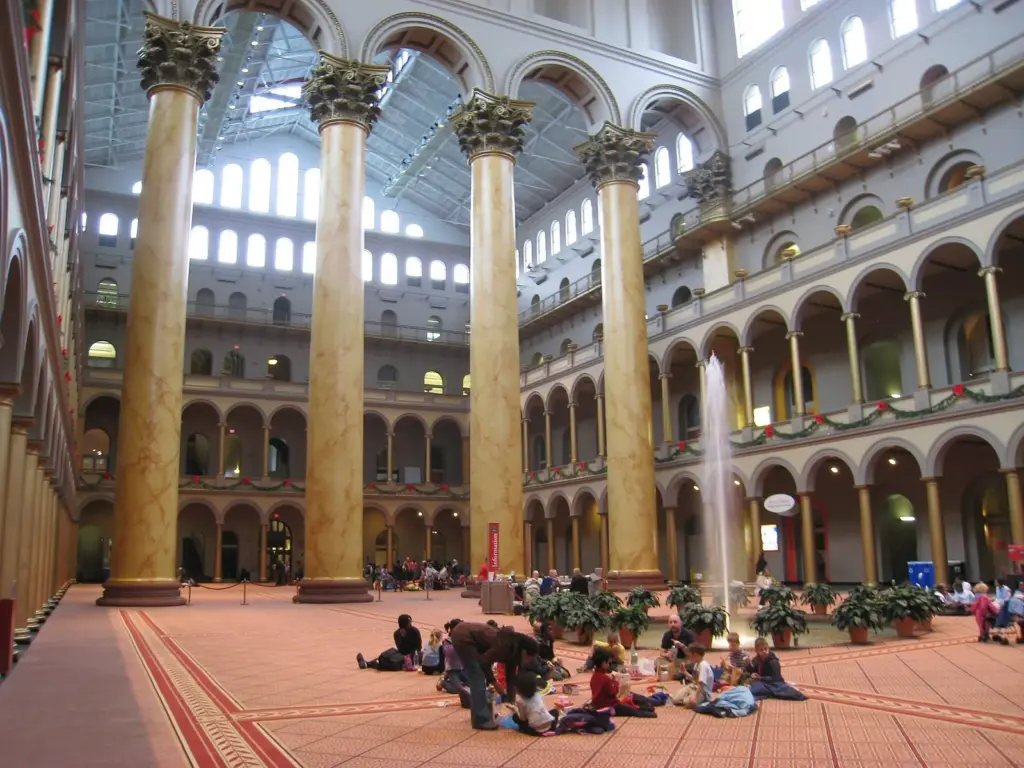
Great Hall free; exhibitions paid. Even if architecture museums aren’t your thing, walk in to see the Great Hall, one of the grandest rooms in the country, with 75-foot Corinthian columns and a central fountain. It’s free to look around. The paid exhibitions are good, but many visitors are happy with 20 minutes in the hall.
Plan it: 10am to 5pm Thursday to Monday, closed Tuesday and Wednesday (as of September 2026). Exhibitions $10 adults, $7 youth and seniors (National Building Museum). Metro: Judiciary Square (Red line), across the street. Allow 30 minutes to 1.5 hours. Best for: architecture fans, quick stops.
31. Ford’s Theatre
Free same-day tickets, or $5 fee in advance. The theater where Lincoln was shot, with a museum below and the Petersen House, where he died, across the street. It’s a historic site first and a museum second, and the free same-day tickets from the box office run out fast in spring.
Plan it: Free same-day tickets from the box office from 8:30am, up to four per person; advance tickets online carry a $5 fee each (as listed on fords.org in September 2026). From March to June same-day tickets are often gone by 9am, and not every time slot includes the theater itself. Metro: Metro Center (Red, Blue, Orange, Silver lines), 3-minute walk. Allow 1 to 1.5 hours. Best for: Lincoln fans, history buffs.
32. National Geographic Museum of Exploration
Paid, timed tickets. National Geographic has replaced its old headquarters museum with a much larger one, the Museum of Exploration, at 1600 M Street NW. Galleries include an explorers’ hall, immersive theaters, a photography gallery, the magazine’s archives and Photo Ark: Animals of Earth. Guides that still describe the old National Geographic Museum are out of date.
Plan it: Summer 2026 hours were 9am to 7pm daily, last entry 6pm; check the fall schedule when you book. Tickets are timed and sold on the museum’s tickets page; children 4 and under are free, with discounts for seniors, youth 5 to 17 and active-duty military, and $3 tickets for SNAP and WIC families. Check the adult price on the tickets page. Metro: Farragut North (Red line), 5-minute walk. Allow 2 hours. Best for: families, photography fans.
Historic house museums
Washington has dozens of house museums. These three are the ones most worth building a half day around.
33. George Washington’s Mount Vernon
Paid, timed Mansion entry. Washington’s estate on the Potomac, about 15 miles south of the city, with the mansion, working farm, slave quarters, tomb and a good museum and education center. It’s a full day out, and one of the best in the region.
Plan it: 9am to 5pm (as of September 2026). Adults 12 and over from $30 online, $2 less when booked three or more days ahead; you pick a timed Mansion entry at checkout (Mount Vernon). Metro: Huntington (Yellow line), then Fairfax Connector bus 101. Allow 4 to 5 hours plus travel. Best for: history lovers, families.
34. President Lincoln’s Cottage
Guided tours only. Lincoln spent a quarter of his presidency living in this cottage on a hilltop north of downtown, and he worked on the Emancipation Proclamation here. The hour-long tours focus on ideas rather than furniture, and they’re among the best-run in the city.
Plan it: Open daily 9:30am to 4:30pm, with hourly tours from 10am to 3pm booked through Etix (Lincoln’s Cottage); check the site for 2026 prices. Enter at the Eagle Gate with photo ID. Metro: Georgia Ave-Petworth (Green line) is closest; most visitors take a short rideshare from there. Allow 1.5 hours. Best for: Lincoln fans, repeat visitors.
35. Frederick Douglass National Historic Site
Free, $1 reservation fee. Cedar Hill, the Anacostia house where Frederick Douglass spent his last years, looks back across the river at the Capitol. The house is shown only on ranger-led tours, and the view from the porch is worth the trip on its own.
Plan it: Book tours on Recreation.gov: free plus a $1 fee, released six months ahead and closing at midnight the day before; walk-ups are possible for groups of 10 or fewer when space allows (as of September 2026; NPS). Metro: Anacostia (Green line), about a 15-minute walk. Allow 1.5 hours. Best for: history buffs, repeat visitors.
Military museums a short drive out
Both of these sit in Northern Virginia off I-95 and are best reached by car. Both are free, and both are far better than their low profiles suggest.
36. National Museum of the Marine Corps
Free, no ticket. The tilted steel mast rising from the building by I-95 echoes the flag raising on Iwo Jima, and the galleries inside walk you through Marine history with full-scale scenes, aircraft overhead and personal stories. It’s one of the best-designed museums in the region.
Plan it: 9am to 5pm daily, closed Thanksgiving and Christmas; admission and parking are free (as of September 2026; museum hours). 1775 Semper Fidelis Way, Triangle, VA, off I-95 at exit 150. No Metro. Allow 2 to 3 hours plus travel. Best for: veterans, history buffs, drivers.
37. National Museum of the United States Army
Free, timed ticket encouraged. The Army’s national museum at Fort Belvoir tells its story through soldiers, with galleries running from the Revolution to recent wars and a strong set of vehicles. Pair it with Mount Vernon or the Marine Corps museum for a southern Virginia day.
Plan it: 9am to 5pm, closed Thanksgiving and December 25 (as of September 2026). Free; timed tickets are encouraged, up to nine per request, and walk-up tickets are available (museum visit page). 1775 Liberty Drive, Fort Belvoir, VA. No Metro. Allow 2 hours plus travel. Best for: veterans, families, drivers.
Gardens, bonsai and a museum built for kids
38. National Bonsai & Penjing Museum
Free, no pass. Inside the U.S. National Arboretum, a collection of miniature trees, some of them centuries old, including a Japanese white pine that survived the Hiroshima bombing. Few visitors know it’s there.
Plan it: Arboretum grounds 8am to 5pm (last entry 4:30pm), bonsai museum roughly 10am to 4pm, closed December 25 (as of September 2026). Free; enter at 2400 R St NE. Metro: Stadium-Armory (Blue, Orange, Silver lines), then Metrobus C41. Allow 1 hour for the bonsai, longer for the grounds. Best for: garden lovers, quiet afternoons.
39. United States Botanic Garden
Free, no pass. It calls itself a living plant museum, and it earns the title: a glass Conservatory at the foot of the Capitol with jungle, desert and orchid rooms, and outdoor gardens beside it. The 2026 exhibition is America’s State Flowers. It’s the best free warm-up on a cold day.
Plan it: Conservatory 10am to 5pm; the outdoor National Garden opens 7:30am to 5pm; closed December 25 (as of September 2026; USBG). Free. Metro: Federal Center SW (Blue, Orange, Silver lines), 5-minute walk. Allow 45 minutes to 1 hour. Best for: families, cold or rainy days.
40. National Children’s Museum
Paid, timed entry. Play-based science and art exhibits for children under 12, in the Ronald Reagan Building a few blocks from the Mall. It’s good for toddlers and early grade-schoolers who’ve had enough of glass cases. It’s the one museum here designed for toddlers rather than adapted for them.
Plan it: Daily except Tuesday, 9:30am to 4:30pm (as of September 2026). $18.95 per person for everyone 1 and older, free under 1; timed entry, book online (National Children’s Museum). Enter from Woodrow Wilson Plaza at 13th Street and Pennsylvania Avenue NW. Metro: Federal Triangle (Blue, Orange, Silver lines), 2-minute walk. Allow 2 hours. Best for: families with children under 10.
Paid museums in DC: what they cost and how to pay less
With this much free, it’s worth being choosy about what you pay for. Here’s what the paid museums charged adults in September 2026, and the cheapest way in:
| Museum | Adult price | How to pay less |
|---|---|---|
| Museum of the Bible | $34.99 | Free every Tuesday until May 18, 2027; walk-ups half price after 3pm (after 5pm Sunday) |
| Mount Vernon | From $30 online | $2 off when booked 3+ days ahead |
| Phillips Collection | $20 | Free 18 and under; free Third Thursdays 5-8pm; first floor free |
| Hillwood | $20 suggested donation | It’s a suggested donation; $5 for children |
| National Children’s Museum | $18.95 (ages 1+) | Under 1 free |
| National Museum of Women in the Arts | $16 | Free under 21; free 1st Sunday and 2nd Wednesday |
| Folger Shakespeare Library | Pay what you will (suggested from $15) | Pay what suits you |
| National Building Museum | $10 | Great Hall free; $7 youth and seniors |
| International Spy Museum | Dynamic | Up to 30% off booked early; 6 and under free |
| Museum of Exploration | Not listed | 4 and under free; $3 SNAP and WIC |
| Rubell Museum DC | Not confirmed | Free for DC residents, military and veterans |
If you’ll pay for only one, our pick is the Spy Museum for families with teenagers and the Phillips for adults who like painting. Skip the idea that paid means better: the three best museums in the city are free.
Where the museums are
Geography matters more than rankings when you’re on foot. Most of the top museums sit along the National Mall between the Capitol and 15th Street, a walk of about 25 minutes end to end. A second cluster is in Penn Quarter, just north: the Portrait Gallery, the American Art Museum, Ford’s Theatre, the Building Museum and the Archives. Capitol Hill has the Library of Congress, the Folger and the Botanic Garden. Dupont Circle and downtown hold the Phillips, the Museum of Exploration, Planet Word and the women’s art museum.
Southwest DC, just south of the Mall, is its own small cluster: the Spy Museum, ARTECHOUSE, the Museum of the Bible and, a bit farther, the Rubell. Everything else, from Hillwood to Glenstone to the military museums, needs a plan and usually a car or a bus.
Museum days that work
The first-timer’s day. African American History and Culture at 10am, on a pass. Lunch, then American History next door for the flag and the slippers. Finish at the Portrait Gallery, which is open until 7pm, and sit in the Kogod Courtyard before dinner in Penn Quarter.
The art day. National Gallery West Building at opening, then the underground concourse to the East Building. After lunch, either the Hirshhorn (with its Sculpture Garden from October 31) and the Asian art museum, or a Metro ride to Dupont Circle for the Phillips, which is closed Mondays.
The Capitol Hill day. Library of Congress on a timed ticket in the morning, the Folger after lunch, and the Botanic Garden’s Conservatory at the end. On a Thursday, the Library stays open until 8pm, so you can reverse the order.
The rainy day with kids. Natural History at 10am, before the rotunda fills. Planet Word or the Postal Museum after lunch. Teenagers will prefer the Spy Museum.
The day out. Udvar-Hazy by Silver Line and bus, Glenstone by car or Ride On bus, or Mount Vernon with the Army museum. Don’t try two of these in one day.
What’s changed at DC museums in 2026, and what to skip
Much of what’s online about DC museums is a few years stale. As of September 2026:
- The Holocaust Museum’s Permanent Exhibition closes to the public in January 2027 while a new one is built, with completion due in 2029.
- Air and Space opens its last two renovated galleries on October 30 and November 11, 2026, and passes are still required.
- The Smithsonian Castle reopened only for a summer run, May 22 to September 7, 2026, and is closed again for its renovation. The Arts and Industries Building was open June 16 to September 7 and is now the designated home of the American Latino museum.
- The Hirshhorn Sculpture Garden reopens October 31, 2026.
- The Anacostia Community Museum reopened on May 30, 2026.
- National Geographic now runs the larger Museum of Exploration on M Street, and the Newseum is gone.
- Shutdowns: in the 2025 shutdown, Smithsonian museums closed from October 12 until mid-November. Current funding runs through December 11, 2026. If it lapses, privately run museums such as the Spy Museum, Planet Word and the Phillips aren’t affected.
What to skip. Skip the Castle, whatever an older guide says. Skip the Museum of the Bible at full price if you can go on a Tuesday. Skip ARTECHOUSE in the daytime, when a dozen free museums are open around it; it makes more sense in the evening. And skip a third big museum on the same day: you won’t remember it.
Security, bags, food and getting around
Expect a bag check at the door of almost every museum on this list, and a slower line at the federal ones. Carry a small bag, and leave anything you’d rather not have searched at the hotel. Most museums have a cafe, but they’re expensive and busy at noon. Eat early or late, or walk to Penn Quarter or L’Enfant Plaza for lunch.
The Metro is the easiest way between clusters. Rail fares are $2.25 to $6.75 on weekdays before 9:30pm and $2.25 to $2.50 at other times, and you can tap a contactless card or phone at the gates (as of September 2026, per WMATA). Smithsonian, Federal Triangle and L’Enfant Plaza stations serve the Mall; Gallery Place and Archives serve Penn Quarter. The DC Circulator bus, which older guides recommend for the Mall, stopped running at the end of 2024. Between museums on the Mall, just walk.
Museums in Washington DC FAQ
What museums are free in Washington DC?
All the Smithsonian museums are free, including Natural History, Air and Space, American History and African American History and Culture. So are the National Gallery of Art, the Holocaust Museum, the National Archives, the Library of Congress, Planet Word, the Botanic Garden and Glenstone. Some free museums still need a timed pass.
Which DC museums do you need tickets for?
As of September 2026, free timed passes are required at the African American History and Culture museum, Air and Space on the Mall, the Holocaust Museum’s Permanent Exhibition, the Library of Congress and Glenstone. The National Archives takes optional reservations. Paid museums like the Spy Museum sell dated tickets.
Are DC museums open on weekends and Mondays?
The Smithsonian museums open every day except December 25, weekends included. A few others close early in the week: the Phillips on Mondays, Planet Word and the Children’s Museum on Tuesdays, the Building Museum on Tuesdays and Wednesdays, and the Library of Congress on Sundays and Mondays.
Which DC museums are open late?
The National Portrait Gallery and the Smithsonian American Art Museum stay open until 7pm daily. The Library of Congress runs until 8pm on Thursdays, the Folger until 9pm on Fridays, and ARTECHOUSE until 10pm from Thursday to Saturday. The Museum of the Bible stays open until 7pm on Sundays.
How many museums can you see in one day in DC?
Two big ones is the realistic number: one in the morning and one after lunch. The large Smithsonian museums each take two to three hours to see properly. You can add a short stop such as the Renwick or the Building Museum’s Great Hall, but a third full museum usually blurs.
Is the Holocaust Museum closing?
The museum stays open, but its current Permanent Exhibition won’t be available to the public once construction of a new one begins in January 2027. The new exhibition is due to be finished in 2029. If the Permanent Exhibition is the reason you’re going, visit before the end of 2026.
Do DC museums close during a government shutdown?
The Smithsonian museums and the National Zoo close during a shutdown. In 2025 they closed from October 12 until mid-November. Federal funding currently runs through December 11, 2026. Privately run museums, including the Spy Museum, Planet Word and the Phillips Collection, stay open either way.
What is the best museum in Washington DC?
For most first-time visitors, the National Museum of African American History and Culture. Its history galleries are the most powerful museum experience in the city. Natural History is the best pick for young children, and the National Gallery of Art is the best for anyone who loves painting.
Related Washington DC Guides
- Smithsonian Museums in Washington DC: every Smithsonian museum and the zoo, with hours, passes and highlights.
- Things to Do in Washington DC: the monuments, neighborhoods and museums, ranked for a first trip.
Sources and How We Checked
We checked every hour, price and pass rule on this page on September 24, 2026 against the official websites below, and compiled the page from them. We don’t claim first-hand visits.
- Smithsonian Institution: Visit
- National Museum of African American History and Culture: Plan Your Visit
- National Air and Space Museum: Visit the Museum in DC
- United States Holocaust Memorial Museum: Admission and Tickets
- National Archives Museum: Tickets
- Glenstone: FAQs
- National Geographic Museum of Exploration: Tickets
We also checked the websites of the National Gallery of Art, the International Spy Museum, the Museum of the Bible, the Phillips Collection, the National Museum of Women in the Arts, Hillwood, Planet Word, the Folger Shakespeare Library, the National Building Museum, ARTECHOUSE, the Rubell Museum, the Library of Congress, Ford’s Theatre, Mount Vernon, President Lincoln’s Cottage, Recreation.gov, the National Museum of the Marine Corps, the National Museum of the United States Army, the U.S. National Arboretum, the U.S. Botanic Garden, the National Children’s Museum and WMATA.
Collection highlights reflect permanent displays, but individual objects can go off view for conservation, so check the museum’s site if one object is your reason for going.
Washington DC Tourism Guide is an independent publication. We are not affiliated with Destination DC, the National Park Service, the Smithsonian Institution or any attraction listed here, and no one paid to be included.
Photo Credits
- The National Gallery of Art's East Building: photo by Difference engine, via Wikimedia Commons (CC BY-SA 4.0)
- Smithsonian museums on the National Mall: photo by Frank Schulenburg, via Wikimedia Commons (CC BY-SA 4.0)
- Kogod Courtyard: photo by APK, via Wikimedia Commons (CC BY 4.0)
- International Spy Museum: photo by Farragutful, via Wikimedia Commons (CC BY-SA 4.0)
- Planet Word in the Franklin School: photo by ajay_suresh, via Wikimedia Commons (CC BY 2.0)
- Renwick Gallery: photo by AgnosticPreachersKid, via Wikimedia Commons (CC BY-SA 3.0)
- Hillwood mansion: photo by Gryffindor, via Wikimedia Commons (CC BY-SA 3.0)
- National Building Museum Great Hall: photo by Daderot, via Wikimedia Commons (Public domain)